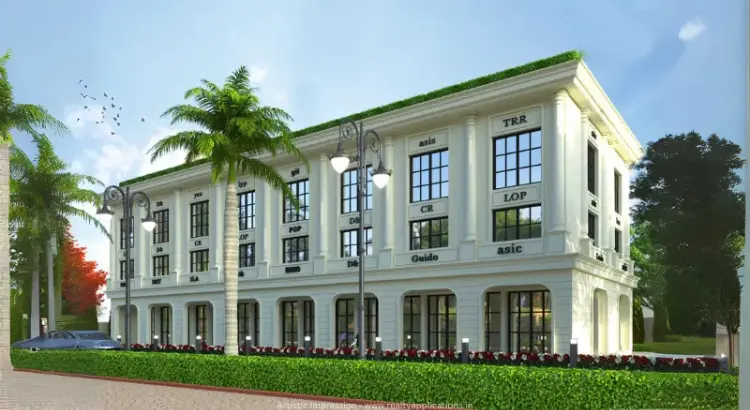



Welcome to the enthralling world of historic estate acquisition, a journey far removed from conventional property transactions. As seasoned real estate consultants at Realty Applications, we understand that acquiring a historic estate in 2026 is not merely a purchase; it is an adoption of legacy, a commitment to stewardship, and a profound investment in cultural heritage. This definitive guide is meticulously crafted to navigate the intricate landscape of this unique market, offering unparalleled insights for discerning individuals and institutions ready to claim their private kingdom.
The Enduring Allure of Historic Estates: A 2026 Perspective
In an era increasingly defined by rapid modernization, the magnetic pull of historic estates remains undiminished. These properties offer a tangible connection to the past, embodying centuries of architectural splendor, rich narratives, and a unique sense of place. For prospective buyers in 2026, the motivations are diverse: a desire for unparalleled privacy and grandeur, a strategic investment in appreciating assets, or a profound commitment to preserving cultural heritage. We systematically analyzed current market dynamics and foresee 2026 as a pivotal year for this specialized segment of luxury real estate, particularly within India's burgeoning market.
The luxury housing market in India, valued at approximately 64.21 billion USD in 2026, is projected to reach 107.99 billion USD by 2031, reflecting a robust Compound Annual Growth Rate (CAGR) of 10.95%. This upward trajectory is fueled by a new generation of affluent entrepreneurs, a record wave of IPOs, and a shifting buyer preference towards homes offering enhanced privacy, wellness-centric design, and long-term value. This growing demand for premium properties translates directly to increased interest in historic and heritage assets that offer both exclusivity and a unique lifestyle. For those based in or looking towards India, cities like Gurugram, Delhi-NCR, and Mumbai continue to lead this luxury surge.
Defining Your Vision: More Than Just a House
Before embarking on the acquisition journey, clarity of vision is paramount. A historic estate is a canvas awaiting a discerning artist, but also a responsibility demanding profound understanding. We encourage our clients to meticulously articulate their objectives, whether they lean towards a private residence, a boutique hospitality venture, a cultural center, or a blend of these.
Understanding Different Historic Property Types
Historic estates come in myriad forms, each with distinct architectural characteristics, historical contexts, and operational demands. In the Indian subcontinent, these often include:
- Havelis: Traditional mansions found across North India, particularly Rajasthan and Gujarat, known for their intricate facades, courtyards, and expansive interiors. Many are hundreds of years old.
- Colonial Bungalows: Remnants of British and European influences, prevalent in hill stations and former administrative centers, characterized by sprawling layouts, high ceilings, and large verandas.
- Palace Residences: Often miniature versions of grand palaces or wings of larger royal residences, offering regal architecture, opulent detailing, and vast grounds.
- Fortress Homes: Smaller forts or fortified residences, especially in Rajasthan and Madhya Pradesh, offering unique architectural integrity and commanding views.
Lifestyle vs. Investment: Balancing Your Objectives
Your primary objective will significantly influence the type of estate you seek and the subsequent acquisition strategy. An estate intended purely as a private residence prioritizes personal comfort, privacy, and aesthetic appeal. In contrast, a property eyed for commercial ventures such as a heritage hotel or an event venue requires stringent feasibility studies, regulatory clearances, and a robust business plan. We advise a comprehensive assessment of both the intrinsic value (historical, cultural, aesthetic) and the extrinsic value (market appreciation, rental income, commercial viability) of any potential acquisition.
| Estate Type | Typical Locations | Architectural Significance | Potential Challenges | Best Use Cases |
|---|---|---|---|---|
| Havelis | Rajasthan, Gujarat, Delhi (Old Delhi) | Intricate frescoes, courtyards, jharokhas, traditional craftsmanship | Structural integrity, modernization without losing character, urban congestion | Boutique hotels, private residences, art galleries |
| Colonial Bungalows | Hill stations (Shimla, Ooty), Former British Cantonments | Spacious layouts, high ceilings, large gardens, European design elements | Age-related wear, land disputes, access in remote areas, upkeep of large gardens | Private retreats, heritage homestays, wellness centers |
| Palace Residences | Rajasthan, Uttar Pradesh, Madhya Pradesh | Grandeur, opulent detailing, fort-like structures, expansive grounds | High maintenance costs, significant renovation needs, staffing, security | Luxury hotels, private museums, exclusive event venues, regal residences |
The Preliminary Research: Navigating the Unique Market
The acquisition of a historic estate demands a specialized approach to market research and due diligence, far exceeding that of modern properties.
Market Trends and Valuation in 2026
As we observe the market in 2026, the demand for unique, high-value properties is robust. The luxury residential market is moving towards end-user driven demand, where buyers prioritize comfort, space, privacy, and long-term value over speculative gains. This sentiment strongly supports investments in historic estates, which inherently offer these attributes. Price outlook for luxury properties is projected to be steady and structural, rather than speculative, providing a more stable investment environment.
Valuation of historic estates is complex. Beyond typical square footage and location metrics, it encompasses intangible values such as historical provenance, architectural rarity, state of preservation, and cultural significance. We leverage our extensive network and analytical capabilities to provide comprehensive valuations that reflect both market realities and intrinsic heritage value.
Legal and Regulatory Frameworks: A Cornerstone of Acquisition
Understanding the legal landscape is perhaps the most critical step in acquiring a historic estate, especially in a country like India with its rich, protected heritage. India has a robust legal framework for heritage protection, primarily governed by the Ancient Monuments and Archaeological Sites and Remains Act of 1958, which empowers the government to declare monuments as protected and regulate construction in surrounding areas. The Archaeological Survey of India (ASI) plays a central role in safeguarding centrally protected monuments.
Prospective buyers must ascertain whether the property is designated as a protected monument or falls within the regulated zones of such sites. This directly impacts renovation possibilities, land use, and future development. We emphasize the necessity of in-depth legal scrutiny to identify any existing heritage designations, easements, or other restrictions that could affect ownership or future plans. For a detailed understanding of the legal frameworks governing heritage protection in India, we often refer clients to authoritative resources such as the Indian National Trust for Art and Cultural Heritage (INTACH), a premier body dedicated to conservation. According to INTACH's insights on heritage legislation in India, various national and state laws govern the protection of cultural heritage, including "town and country planning laws" and "land use" regulations, which are crucial for any potential development.
The Acquisition Process: A Step-by-Step Approach
The journey to owning a historic estate is multidisciplinary, requiring coordinated efforts from a team of specialized professionals.
Engaging Expert Advisors: Your Core Team
We cannot overstate the importance of assembling a proficient team. This typically includes:
- Specialized Real Estate Consultants: Like Realty Applications, who possess an intimate understanding of the heritage property market.
- Legal Counsel: With expertise in property law, heritage legislation, and land use regulations.
- Heritage Architects/Conservationists: Essential for assessing the structural integrity, historical accuracy, and renovation potential, adhering to conservation guidelines.
- Financial Advisors: To structure financing, understand tax implications, and explore potential grants or incentives for heritage preservation.
Due Diligence Beyond the Ordinary
Our due diligence for historic estates extends far beyond standard checks. We delve into:
- Historical Research: Uncovering the property's complete ownership history, original plans, and any significant historical events tied to it.
- Structural Surveys: Conducted by experts in historical building construction, assessing the condition of original materials, foundations, and any inherent weaknesses.
- Environmental Assessments: Especially crucial for older properties, to identify any legacy environmental issues.
- Title Verification: An exhaustive process to ensure clear and undisputed ownership, vital for properties that may have passed through many generations or historical shifts.
Thorough due diligence is your shield against unforeseen complications and financial burdens, particularly given the unique characteristics of older structures and their sometimes-complex legal histories.
Financing Your Historic Dream
Securing financing for a historic estate can present unique challenges. Traditional mortgage lenders may be cautious due to the property's age, specialized maintenance requirements, or heritage restrictions. However, specialized financing options exist:
- Heritage Property Loans: Offered by certain banks or financial institutions recognizing the unique asset class.
- Private Equity and Investment Funds: For properties with significant commercial potential (e.g., hospitality conversion).
- Government Grants and Incentives: In some cases, governments offer grants or tax benefits for the restoration and preservation of heritage properties. For instance, the Indian Ministry of Culture provides various financial assistance schemes for the promotion and preservation of cultural heritage.
We work closely with financial partners who understand these nuances to structure viable funding solutions. The market value of India's luxury residential real estate is substantial, reaching USD 64.21 billion in 2026, indicating significant capital availability for premium acquisitions.
Post-Acquisition: Stewardship and Sustainability
Acquisition is merely the first step. The true essence of owning a historic estate lies in its thoughtful stewardship.
Restoration and Conservation: Preserving History
Restoration of a historic estate is an art and a science. It requires balancing authentic preservation with modern functionality and sustainability. This involves:
- Adhering to Conservation Guidelines: Strict adherence to principles set by bodies like ASI or INTACH to maintain historical integrity.
- Engaging Skilled Artisans: Sourcing craftsmen proficient in traditional building techniques and materials.
- Sustainable Practices: Integrating modern, eco-friendly systems without compromising the historical fabric.
India's approach to monument conservation has seen increased emphasis on strengthening systems that safeguard cultural assets, integrating heritage conservation with tourism and local livelihoods. This ecosystem of support can be beneficial for private owners committed to conservation.
Ongoing Management and Maintenance
Historic properties demand specialized maintenance. We often advise on establishing long-term maintenance plans addressing issues unique to older structures, such as plumbing, electrical systems, roofing, and facade upkeep. The objective is to ensure the estate's longevity and continued grandeur for generations to come.
Challenges and Opportunities in the Historic Estate Market
While the rewards are immense, it is prudent to acknowledge the inherent challenges and unique opportunities.
Common Pitfalls and How to Avoid Them
- Underestimating Costs: Renovation and ongoing maintenance can be significantly higher than for modern properties.
- Legal Complexities: Navigating heritage laws requires expert guidance.
- Maintenance Burdens: The sheer scale and specialized nature of upkeep can be overwhelming without proper planning.
- Lack of Specialized Expertise: Failing to engage advisors who understand the specificities of heritage properties.
The Unparalleled Rewards
Despite the complexities, the acquisition of a historic estate offers unparalleled rewards:
- A Living Legacy: Becoming a custodian of history and contributing to cultural preservation.
- Unique Lifestyle: Enjoying a grandeur, privacy, and connection to the past unavailable in modern homes.
- Significant Appreciation: Historically, well-maintained and sensitively restored heritage properties have shown strong appreciation, often outperforming general luxury market trends due to their finite nature and unique appeal.
- Cultural Contribution: The opportunity to revive and showcase a piece of architectural and cultural heritage.
Conclusion: Your Legacy Awaits
Acquiring a historic estate in 2026 is an ambitious yet profoundly rewarding endeavor. It requires a blend of passion, patience, and meticulous planning. As your trusted real estate consultants at Realty Applications, based in the heart of Gurugram, India, we are uniquely positioned to guide you through every facet of this extraordinary journey. We bring over a decade of experience, deep market insights, and a network of specialized professionals to ensure that your vision of owning a private kingdom becomes a magnificent reality. The opportunity to own a piece of history, to preserve its grandeur, and to infuse it with new life is a rare privilege. We invite you to embark on this journey with us, securing not just a property, but a timeless legacy.