


Delhi-Mumbai Expressway: Complete Route Guide, Map & Investment Opportunities 2025
The Delhi-Mumbai Expressway, India's longest access-controlled highway, is revolutionizing connectivity between the national capital and the financial hub of Mumbai. This groundbreaking infrastructure project reduces Delhi-Mumbai travel time from 24 hours to just 12 hours once fully operational, creating unprecedented opportunities for real estate investment, industrial growth, and economic development across six states.
Overview: India's Most Ambitious Highway Project
The Delhi-Mumbai Expressway connects the Sohna Elevated Corridor in Delhi to the Jawaharlal Nehru Port in Maharashtra, passing through Dausa, Kota, Ratlam, Vadodara, and Surat. This transformative corridor traverses the Union territory of Delhi (12 km) and the states of Haryana (129 km), Rajasthan (373 km), Madhya Pradesh (244 km), Gujarat (300 km), and Maharashtra (120 km).
Key Features at a Glance
| Feature | Details |
|---|---|
| Total Length | 1,355 km (Approx.) |
| Number of States | 6 (Delhi, Haryana, Rajasthan, MP, Gujarat, Maharashtra) |
| Design Speed | 120 km/h |
| Number of Lanes | 8 lanes (expandable to 12) |
| Expected Completion | October 2025 |
| Project Cost | Rs. 98,000+ crores |
| Travel Time Reduction | From 24 hours to 12 hours |
Delhi-Mumbai Expressway Route Map & Major Cities
Complete Route Breakdown
The Delhi Mumbai expressway route map covers six states: Delhi, Haryana, Rajasthan, Madhya Pradesh, Gujarat, and Maharashtra. The journey starts from the DND Flyway in Delhi, moving through Sohna in Haryana, and ends at Jawaharlal Nehru Port (JNPT) in Mumbai, Maharashtra.
Detailed State-wise Route
1. Delhi (12 km)
- Starting Point: DND Flyway, Maharani Bagh
- Key Connection: Sohna Elevated Corridor
- Nearby Investment Zone: Delhi NCR Projects
2. Haryana (129 km)
- Major Cities: Gurugram, Sohna, Nuh
- Key Industrial Areas: IMT Manesar, Sohna Industrial Area
- Featured Projects: Sobha Aranya, Godrej Luxury Plots
3. Rajasthan (373 km)
- Major Cities: Alwar, Dausa, Jaipur, Ajmer, Kota, Chittorgarh
- Tourist Destinations: Pushkar, Bharatpur, Ranthambore
- Investment Potential: Emerging tier-2 city real estate
4. Madhya Pradesh (244 km)
- Major Cities: Ratlam, Ujjain, Indore
- Industrial Hubs: Pithampur, Dewas
- Strategic Position: Central India connectivity
5. Gujarat (300 km)
- Major Cities: Vadodara, Anand, Bharuch, Surat
- Industrial Centers: GIDC areas, Petrochemical complexes
- Economic Significance: Western India's industrial powerhouse
6. Maharashtra (120 km)
- End Point: Jawaharlal Nehru Port (JNPT), Navi Mumbai
- Major Connection: Mumbai Metropolitan Region
- Commercial Hub: India's financial capital
Connectivity with Gurugram: A Game Changer
Direct Benefits for Gurugram
The expressway's connection through Sohna creates unprecedented opportunities for Gurugram's real estate market:
- Reduced Travel Time: Direct access to Mumbai in 12 hours
- Industrial Connectivity: Enhanced logistics for IT and automotive sectors
- Airport Access: Faster connection to Mumbai's international airports
- Port Connectivity: Direct route to JNPT for export-import businesses
Key Connection Points
| Location | Distance from Gurugram | Significance |
|---|---|---|
| Sohna | 25 km | Main entry point to expressway |
| KMP Expressway Junction | 35 km | Inter-state connectivity |
| NH-48 Intersection | 15 km | National highway access |
Premium Projects Near Expressway Entry Points
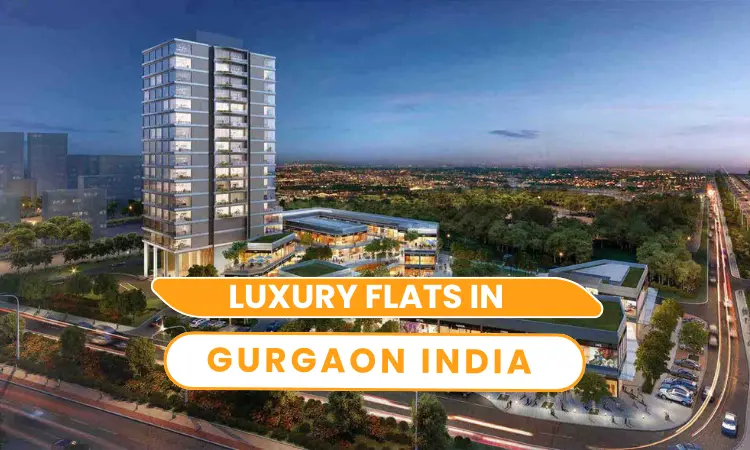
Gurugram Luxury Developments:
- DLF The Arbour - Ultra-luxury apartments
- M3M Crown Luxury Residences
- Central Park Dwarka Expressway Sector 104
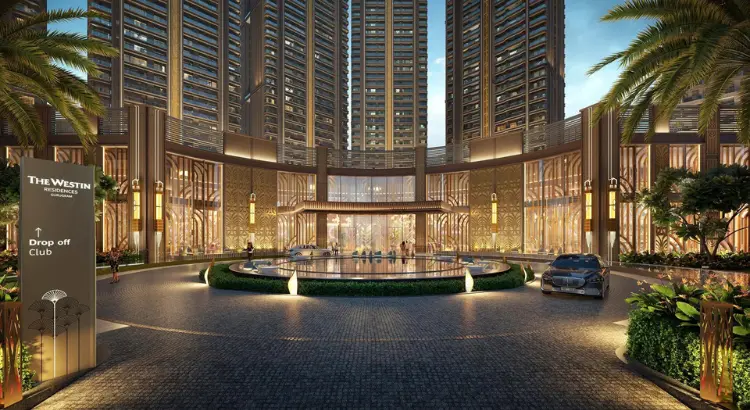
- Westin Residences by Whiteland
Toll Plaza Information & Travel Costs
Expected Toll Structure
Based on similar expressways and NHAI guidelines, here's the estimated toll cost breakdown for the complete Delhi to Mumbai journey:
Vehicle-wise Toll Estimates (Delhi to Mumbai)
| Vehicle Type | Estimated Toll Cost | Per Km Rate |
|---|---|---|
| Car/Jeep/Van | Rs. 2,000 - 2,500 | Rs. 1.5 - 1.9 |
| Light Commercial Vehicle | Rs. 3,200 - 4,000 | Rs. 2.4 - 3.0 |
| Bus/Truck (2-axle) | Rs. 6,700 - 8,100 | Rs. 5.0 - 6.0 |
| Multi-axle Vehicle | Rs. 10,000 - 13,500 | Rs. 7.5 - 10.0 |
Major Toll Plazas Along the Route
- Sohna Toll Plaza (Haryana) - Primary entry point from NCR
- Dausa Toll Plaza (Rajasthan) - Eastern Rajasthan junction
- Kota Toll Plaza (Rajasthan) - Mid-route checkpoint
- Ratlam Toll Plaza (Madhya Pradesh) - MP-Rajasthan border
- Vadodara Toll Plaza (Gujarat) - Gujarat industrial zone
- Surat Toll Plaza (Gujarat) - Diamond city gateway
- JNPT Toll Plaza (Maharashtra) - Mumbai port entry
Note: Final toll rates will be announced by NHAI upon completion. FASTag will be mandatory for seamless travel.
Travel Time: Before vs After Comparison
Current Travel Scenario (via NH-48)
- Total Distance: Approximately 1,400 km
- Average Travel Time: 20-24 hours
- Route: Delhi → Gurugram → Jaipur → Ahmedabad → Vadodara → Surat → Mumbai
- Fuel Stops: 8-10 mandatory stops
- Traffic Bottlenecks: Multiple city bypasses, traffic signals
With Delhi-Mumbai Expressway
- Total Distance: 1,350 km (50 km shorter)
- Travel Time: 12-13 hours
- Direct Route: Uninterrupted access-controlled expressway
- Fuel Stops: 4-5 planned service areas with modern amenities
- Traffic Flow: Seamless, no signal interruptions
Time Savings Analysis
| Journey Segment | Current Time | Expressway Time | Time Saved |
|---|---|---|---|
| Delhi to Jaipur | 5-6 hours | 3 hours | 2-3 hours |
| Jaipur to Kota | 4 hours | 2.5 hours | 1.5 hours |
| Kota to Vadodara | 6 hours | 3.5 hours | 2.5 hours |
| Vadodara to Mumbai | 5-6 hours | 3 hours | 2-3 hours |
| Total | 20-22 hours | 12 hours | 8-10 hours |
Total Travel Cost Estimation
Complete Journey Cost Breakdown (Car - Delhi to Mumbai)
| Cost Component | Current Route | Expressway Route | Savings |
|---|---|---|---|
| Fuel Cost | Rs. 8,500 - 10,000 | Rs. 6,750 - 8,100 | Rs. 1,750 - 1,900 |
| Toll Charges | Rs. 1,200 - 1,500 | Rs. 2,000 - 2,500 | Rs. (800) - (1,000) |
| Food & Refreshments | Rs. 1,500 - 2,000 | Rs. 800 - 1,200 | Rs. 700 - 800 |
| Overnight Stay | Rs. 2,000 - 3,000 | Not Required | Rs. 2,000 - 3,000 |
| Total Cost | Rs. 13,200 - 16,500 | Rs. 9,550 - 11,800 | Rs. 3,650 - 4,700 |
Key Insight: Despite higher tolls, overall savings are achieved through reduced fuel consumption, elimination of overnight stays, and faster journey completion.
For more financial planning tools, use our Home Loan EMI Calculator and Stamp Duty Calculator.
Real Estate Impact & Investment Opportunities
Property Price Surge Along the Route
The expressway is creating a massive real estate boom across all connected regions, with property values expected to appreciate significantly within 3-5 years of full operational status.
Gurugram Sector Impact
High-Potential Investment Sectors:
- Sector 103 - Direct expressway connectivity
- Sector 104 - Premium residential zone
- Sector 105 - Emerging commercial hub
- Sector 109 - Future growth corridor
- Sohna Road - 40-60% price appreciation expected
- Golf Course Extension Road - Enhanced connectivity premium
- Southern Peripheral Road - Direct expressway access benefits
Key Investment Hotspots
1. Sohna (Haryana)
- Current Price Range: Rs. 3,500 - 6,000 per sq ft
- Expected Appreciation: 50-70% in 3-5 years
- Investment Potential: Excellent
- Featured Projects: Godrej Luxury Plots
2. Dausa (Rajasthan)
- Current Price Range: Rs. 800 - 1,500 per sq ft
- Expected Appreciation: 100-150% in 5 years
- Investment Potential: High growth potential
- Strategic Advantage: First major city on Rajasthan route
3. Kota (Rajasthan)
- Current Price Range: Rs. 1,200 - 2,500 per sq ft
- Expected Appreciation: 60-80% in 5 years
- Investment Potential: Strong educational and industrial base
- Market Drivers: Coaching hub with sustained demand
Premium Real Estate Projects Along the Corridor
Gurugram Luxury Segment:
Industrial & Commercial:
- M3M IMT Manesar - Industrial plots
- Reliance Met City - Integrated township
Industrial & Commercial Opportunities
Planned Development Projects
Infrastructure Amenities:
- 92 Wayside Amenities: Food courts, fuel stations, rest areas
- Industrial Townships: Along major intersections
- Smart Cities: Integrated development projects
- Logistics Hubs: Multi-modal transport facilities
Sector-wise Investment Potential
| Sector | Investment Range | ROI Expectation | Timeline |
|---|---|---|---|
| Residential | Rs. 50L - 5Cr | 15-25% annually | 3-5 years |
| Commercial | Rs. 1Cr - 20Cr | 20-30% annually | 5-7 years |
| Industrial Land | Rs. 10L - 2Cr per acre | 25-40% annually | 5-10 years |
| Hospitality | Rs. 2Cr - 15Cr | 18-28% annually | 3-5 years |
Explore more investment opportunities in Gurgaon and understand upcoming residential projects.
Economic Impact & Future Prospects
Direct Economic Benefits
The expressway is projected to generate employment for over 50 lakh people during construction phase, with sustained economic growth and job creation post-completion across logistics, hospitality, and service sectors.
Key Economic Indicators
- GDP Boost: Rs. 2-3 lakh crores contribution to regional economy
- Logistics Cost Reduction: 20-25% for goods transportation
- Fuel Savings: 30-35% reduction in fuel consumption
- Industrial Growth: 15-20% increase in manufacturing activities
- Real Estate Appreciation: 40-150% across various nodes
Technology Integration
The expressway is being built as India's first digital highway with cutting-edge technology integration:
Smart Features:
- 5G Connectivity: Continuous high-speed internet throughout the route
- Electronic Toll Collection: FASTag mandatory for seamless transit
- GPS-based Services: Real-time traffic updates and navigation assistance
- Solar Power: Solar-powered lighting reducing carbon footprint
- Emergency Services: Advanced incident management and response systems
- Weather Monitoring: Real-time weather alerts and road condition updates
Best Investment Strategies
For Individual Investors
Short-term (1-3 years)
- Pre-launch residential projects near expressway entry points
- Commercial plots in developing nodes like Sohna and Dausa
- Agricultural land conversion opportunities in tier-2 cities
Medium-term (3-7 years)
- Completed residential projects with possession in Gurugram sectors
- Commercial developments with rental potential
- Industrial warehouse investments near logistics hubs
Long-term (7-15 years)
- Large-scale township developments
- Hospitality and entertainment projects at wayside amenities
- Logistics and transportation businesses
For Institutional Investors
- REITs: Real Estate Investment Trusts along the corridor
- Infrastructure Funds: Toll revenue sharing models
- PE Investments: Large-scale development projects
- Industrial Parks: Integrated manufacturing hubs
Learn more about best real estate companies in Gurgaon for professional investment guidance.
Connectivity Benefits Summary
Major Advantages
- Time Efficiency: 50% reduction in travel time between Delhi and Mumbai
- Cost Savings: Overall journey cost reduction despite higher toll charges
- Safety: Access-controlled, divided carriageway with modern safety features
- Comfort: Modern amenities and rest areas every 50-60 km
- Reliability: Weather-resistant construction with advanced drainage systems
- Economic Growth: Massive industrial and commercial opportunities across six states
- Environmental Impact: Reduced emissions through shorter routes and fewer stops
Integration with Existing Infrastructure
The Delhi-Mumbai Expressway seamlessly integrates with other major highways:
- KMP Expressway: Western Peripheral connectivity
- Dwarka Expressway: Northern NCR access
- NH-48: Alternative route option
- Eastern Peripheral Expressway: Complete ring road network
Impact on Key Gurugram Locations
Sectors with Maximum Benefit
Premium Residential Zones:
- Sector 43 - Golf Course proximity
- Sector 54 - Established luxury market
- Sector 65 - Modern infrastructure
- Sector 102 - New age developments
Commercial & Industrial:
Featured Premium Projects
Explore luxury flats in Gurgaon and discover the best societies in Gurgaon 2025 that benefit from expressway connectivity.
Ultra-Luxury Developments:
Challenges to Consider
Infrastructure Dependencies
- Higher Toll Costs: Premium pricing for premium service - toll charges 60-70% higher than conventional routes
- Initial Traffic Adjustment: Learning curve for route familiarization
- Service Dependencies: Limited alternative routes in case of emergencies or maintenance
- Wayside Amenity Costs: Premium pricing at rest stops and service areas
Investment Considerations
Before making investment decisions along the expressway corridor, consider:
- Market absorption capacity in tier-2 cities
- Regulatory approvals and RERA compliance
- Infrastructure completion timelines
- Liquidity considerations for long-term investments
Use our Stamp Duty and Registration Fees Calculator to estimate additional property costs.
Comparison with Other Major Expressways
How Delhi-Mumbai Stacks Up
vs. Mumbai-Pune Expressway:
- 3.5x longer
- More states covered
- Greater economic impact
vs. Yamuna Expressway:
- 4x longer
- Connects two metro cities
- Multiple industrial corridors
vs. KMP Expressway:
- 10x longer
- Interstate connectivity
- National economic significance
Conclusion: The Future of Delhi-Mumbai Connectivity
The Delhi-Mumbai Expressway represents more than just a road infrastructure project; it's an economic transformation corridor that will fundamentally reshape India's transportation landscape, trade dynamics, and real estate markets across six states.
Key Takeaways
- Complete Operational Timeline: Expected full operations by October 2025
- Investment Window: Prime time to invest before completion drives prices higher
- Diversified Opportunities: From residential to industrial investments across multiple states
- Technology Integration: Future-ready infrastructure with smart features and digital capabilities
- Economic Multiplier: Catalyst for regional development creating ripple effects across 6 states
- Travel Revolution: Cutting travel time by 50% transforms business and tourism dynamics
Why This Matters for Investors
For real estate investors, the expressway presents a once-in-a-generation opportunity to capitalize on infrastructure-led growth. Whether you're exploring:
- Residential properties in Gurugram's extended catchment areas
- Commercial developments in tier-2 cities like Kota and Vadodara
- Industrial investments near logistics hubs and manufacturing zones
- Land banking opportunities in emerging corridors
The timing has never been better to enter these markets before full operational status drives exponential appreciation.
Your Investment Journey Starts Here
The Delhi-Mumbai Expressway isn't just changing how we travel—it's redefining how we invest, live, and conduct business across India's most economically vital corridor connecting the political capital to the financial capital.
Ready to Explore Investment Opportunities?
- Browse all Gurugram projects
- Explore Manesar industrial properties
- Discover upcoming affordable housing
- Contact our real estate experts for personalized guidance
Related Resources
Investment Guides:
- Real Estate Investment in India - 2026 Trends
- NRI Real Estate Investment Guide
- Building a Real Estate Career
Financial Calculators:
City Guides:
Disclaimer: Property prices, toll charges, and investment returns mentioned are estimates based on current market analysis and announced project details. Actual results may vary based on market conditions, government policies, completion timelines, and other economic factors. The expressway completion date is subject to NHAI announcements. Always consult with qualified financial advisors and conduct thorough due diligence before making investment decisions.
For the most current information, visit official NHAI website or contact our real estate advisors at RealtyApplications.in