


Unmasking 2026: The 7 SHOCKING Real Estate Trends That Will Define Your Future.
Unmasking 2026: The 7 SHOCKING Real Estate Trends That Will Define Your Future
The Indian real estate sector is a dynamic and ever-evolving landscape. As we look towards 2026, a confluence of technological advancements, shifting demographics, and strategic policy decisions are set to redefine how we buy, sell, and invest in property. For buyers, investors, and sellers in key markets like Gurugram and the broader Delhi-NCR region, understanding these emerging real estate market trends is not just an advantage, it's a necessity for making informed decisions.
Realty Applications, as a leading real estate consultancy in Gurugram, recognizes the critical importance of foresight. This article delves into seven pivotal real estate trends that are projected to shape India's property market in 2026, offering insights grounded in expertise and market analysis.
Trend 1: The Accelerated Era of PropTech and Digital Transformation
The integration of technology into real estate, or PropTech, is no longer a futuristic concept but a present-day reality rapidly gaining momentum. By 2026, PropTech will transition from an innovation layer to a standard practice within the Indian real estate industry. The Indian PropTech market, valued at USD 2.06 billion in 2026, is projected to reach USD 7.14 billion by 2033, expanding at a compound annual growth rate of 19.44%.
This digital revolution encompasses everything from AI-powered property valuations and immersive virtual reality (VR) tours to blockchain-based title verification and digital mortgage platforms. Buyers are increasingly initiating their property search online, with digital platforms becoming crucial for discovering properties, managing enquiries, and navigating financing and documentation. In 2026, a property's first impression often occurs on a smartphone, making "Digital Curb Appeal" a primary driver for site visits. This means a greater emphasis on high-quality visual content, including 3D walkthroughs and AI-optimized videos, to create emotional resonance even before a physical viewing.
Trend 2: The Green Imperative – Rise of Sustainable and Smart Developments
Sustainability is no longer a niche preference but a core expectation in real estate. By 2026, India's real estate sector faces transformative sustainability regulations that mandate stricter energy-efficiency, water-conservation, and waste-reduction standards for new construction. Buyers are becoming increasingly informed, prioritizing factors like energy efficiency, cleaner indoor air, and the long-term value of a sustainable home.
Green building certifications such as IGBC (Indian Green Building Council) and GRIHA (Green Rating for Integrated Habitat Assessment) are becoming benchmarks for quality and long-term thinking. Green buildings typically consume 40-50% less energy and 20-30% less water compared to conventional buildings. These properties often command a 10-15% premium in value and offer 15-25% utility savings. Luxury developers are incorporating these certifications as standard, offering buyers lower utility bills and higher property values.
Trend 3: The Ascendancy of Tier-2 and Tier-3 Cities
While metropolitan areas like Delhi-NCR continue to attract significant investment, Tier-2 and Tier-3 cities are emerging as crucial growth engines for India's real estate market. By 2026, these cities are expected to contribute a larger share of India's real estate growth, driven by deep economic, demographic, and infrastructure changes. This shift is not just about affordability; it's an infrastructure-driven premiumisation cycle redefining urban investment.
Large-scale public investments in highways, expressways, rail networks, and Smart City projects are enhancing connectivity and directly increasing land values and housing demand in these regions. Residential prices across 11 emerging markets rose 63% between 2021 and 2026, significantly outpacing the 42% growth in India's eight largest cities. Cities like Indore, Coimbatore, Mohali, and Lucknow are reinforcing their positions as high-potential markets. The Union Budget 2026, with its focus on infrastructure and the creation of City Economic Regions (CERs) in Tier-2 and Tier-3 cities, further reinforces this trend.
Trend 4: Evolving Commercial Real Estate – Hybrid Work and Flex Spaces
The commercial real estate (CRE) sector is undergoing a profound transformation, primarily driven by the mainstream adoption of hybrid work models. In 2026, over 73% of Indian firms are operating with hybrid models, and nearly 75% of employees prefer flexibility. This isn't reducing demand but redefining it, leading to a "flight to quality" in office spaces.
Companies are now seeking Grade-A office parks that offer premium amenities, LEED-certified green buildings, and campus-like environments that foster collaboration. Flexible workspaces and co-working segments are witnessing significant growth, with India's flexible office space projected to cross 100 million sq ft by 2026. This growth is also fueled by companies adopting a "hub and spoke" model, decentralizing offices to reduce commute times and enhance employee well-being. This trend is particularly relevant in commercial hubs like Gurugram, where corporate expansion continues to drive demand for modern office infrastructure.
Trend 5: The Unyielding Allure of Luxury Housing
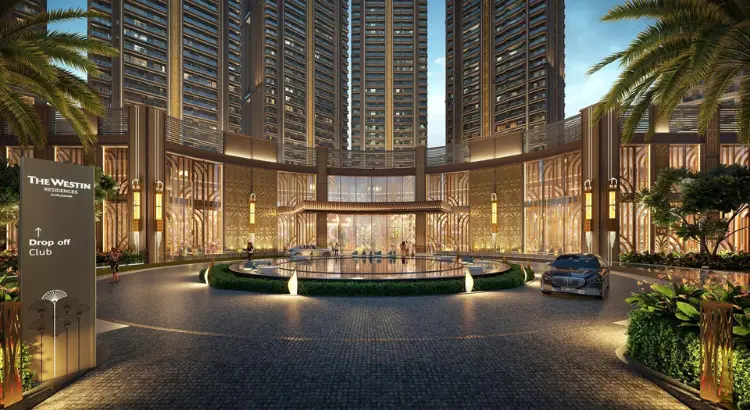
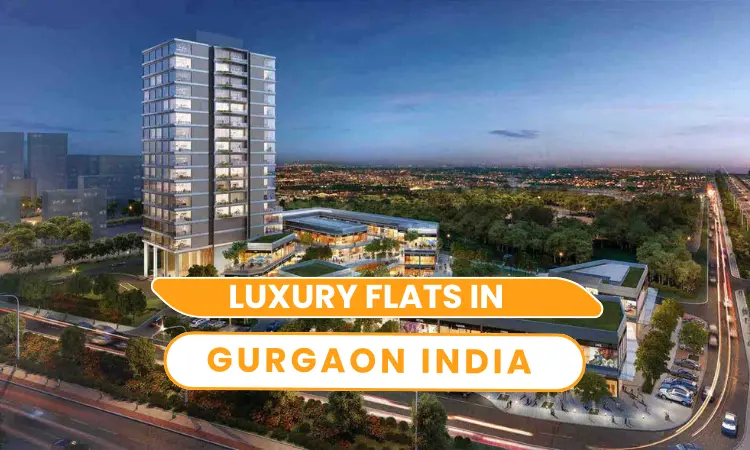
India's luxury housing market is demonstrating remarkable resilience and growth, particularly in regions like Delhi-NCR. Gurugram, in particular, is redefining the premium housing narrative with strong pricing momentum and sustained demand from High-Net-Worth Individuals (HNIs) and Non-Resident Indians (NRIs). In 2026, luxury apartments in Gurugram recorded 12% year-on-year capital value growth, making it one of NCR's strongest appreciating markets.
The demand for homes above INR 1 Crore constitutes a significant portion of total sales, reflecting a clear preference for premiumization. Luxury buyers are seeking more than just an address; they desire superior planning, robust amenities, enhanced security, and long-term usability. Developers are responding with ultra-luxury projects that set new benchmarks, featuring wellness zones, green spaces, and integrated communities. This trend is expected to continue, with forecasts suggesting 10-15% appreciation in Gurgaon, driven by genuine demand rather than speculation.
Trend 6: Infrastructure-Led Growth and New Corridors
Government initiatives and massive infrastructure development projects are acting as powerful catalysts for real estate growth across India. The Union Budget 2026 reinforced a strong focus on infrastructure, with an increased capital expenditure of INR 12.2 lakh crore. These investments in urban infrastructure, transport networks, highways, and economic corridors directly enhance land values and real estate demand.
Mega projects like the Delhi-Mumbai Expressway and Noida International Airport are reshaping regional property markets, creating new economic corridors and driving demand in previously underdeveloped areas. In Delhi-NCR, projects like the Dwarka Expressway are having a significant operational impact, driving property price trends and creating highly sought-after micro-markets. Improved connectivity through metro expansions and road networks will continue to make daily travel easier and increase property demand in well-connected areas. You can find more detailed analysis on infrastructure impact on property values in our blog on Dwarka Expressway Property Price Trends 2026.
Trend 7: The Growing Influence of NRI Investment
Non-Resident Indians (NRIs) are showing a renewed and strategic interest in India's real estate market. In 2026, NRI real estate investment in India is being driven by a combination of factors, including attractive currency exchange rates, a stable Indian economy, and the desire for portfolio diversification. The relative strength of foreign currencies against the Indian Rupee enhances NRIs' purchasing power, allowing them to acquire valuable properties at lower effective prices.
Beyond sentimental value, NRIs are now making well-thought-out, profitable financial choices, studying appreciation trends, rental demand, and developer credibility. There's a notable shift towards premium and high-end homes, with NRI participation in Indian property purchases reaching nearly 18-20% in 2025. Stable rental yields of 3-6% and average annual property appreciation of 7-12% in cities like Gurugram further solidify India's appeal as a reliable asset class for NRIs. For comprehensive guidance, refer to our Navigating India Real Estate: Trends & Investment Guide 2026.
Comparison: Property Market Dynamics in 2026 - Major Metros vs. Tier 2/3 Cities
| Feature | Major Metropolitan Cities (e.g., Delhi-NCR, Mumbai) | Tier 2 & Tier 3 Cities |
|---|---|---|
| Capital Appreciation (2021-2026) | Approximately 42% | Approximately 63% |
| Infrastructure Development | Mature, with ongoing upgrades and new extensions (e.g., Dwarka Expressway) | Rapidly expanding, driven by government focus (e.g., Smart Cities, new highways) |
| Affordability | Generally higher property prices, premium segments dominate | More affordable entry points, but prices are rising rapidly |
| Investment Drivers | End-user demand, HNI/NRI investment, luxury market, corporate hubs | Infrastructure push, economic decentralization, employment generation, first-time homebuyers |
| Luxury Market | Strong and growing, particularly in Gurgaon with significant HNI/NRI interest | Emerging luxury pockets driven by infrastructure-led premiumisation |
| PropTech Adoption | High adoption across all segments, including AI, VR, and digital transactions | Increasing adoption, primarily in property search and basic digital services |
Navigating the Future with Realty Applications
The real estate landscape of 2026 promises significant opportunities for those who understand and adapt to these evolving trends. Whether you are a first-time homebuyer, an investor seeking high returns, or a seller looking to maximize value, staying ahead of the curve is paramount. The Indian real estate market is expected to reach USD 1 trillion by 2030 and nearly USD 5.8 trillion by 2047, indicating robust long-term growth.
At Realty Applications, we specialize in providing research-driven real estate content and advisory services to help you make informed decisions in this dynamic environment. Our focus on Gurgaon, Delhi-NCR, and other high-growth markets in India ensures that our insights are always relevant and actionable. From buyer and seller consultations to property investment guidance and exclusive project promotions, we are dedicated to helping you unmask the opportunities that 2026 will bring.