


Unlock 7 Hidden Real Estate Opportunities in 2026: Your Future Starts Now.
Unlock 7 Hidden Real Estate Opportunities in 2026: Your Future Starts Now
The Indian real estate landscape is dynamic, constantly evolving with infrastructure advancements, economic shifts, and changing consumer preferences. As we step into 2026, while established markets continue to offer steady returns, a new wave of 'hidden' opportunities is emerging, promising significant growth for discerning buyers and investors. For those looking beyond the obvious, 2026 presents a strategic window to capitalize on these less-explored avenues. This article, crafted by the experts at Realty Applications, delves into seven such opportunities that are poised for remarkable appreciation and rental yields across Gurugram, Delhi-NCR, and other high-growth markets in India.
India's real estate market in 2026 is characterized by robust demand, particularly for premium and luxury housing, with residential sales showing an 8% year-on-year growth in Q1 2026 across top cities. Infrastructure development remains a key driver, influencing property values and opening up new micro-markets.
1. Infrastructure-Led Micro-Markets in Delhi-NCR
While Gurugram and Noida are well-known, specific micro-markets within Delhi-NCR are experiencing accelerated growth due to significant infrastructure projects. These areas offer higher appreciation potential as connectivity improves and new urban centers take shape.
Emerging Hotspots and Their Catalysts:
- Dwarka Expressway: Now fully commissioned, the Dwarka Expressway continues to drive demand in Gurugram's sectors 99-113. It has already delivered approximately 151% price growth over five years and a 58% year-on-year surge from Q4 2024 to Q1 2025. The ongoing metro extensions and its connectivity to NH-48 and the Delhi airport make it a prime location for mid-to-premium residential investment.
- Yamuna Expressway & Jewar Corridor: The operational expansion of the Noida International Airport at Jewar is a major catalyst, expected to drive significant appreciation across the Yamuna Expressway belt and the sectors immediately surrounding the airport zone. This area is ideal for investors with a 5-7 year horizon, particularly in plotted developments and mixed-use commercial units near the upcoming Aerocity.
- New Gurugram (Sectors 76-95): With advanced connectivity links like NH-48, Dwarka Expressway, and the Manesar Metro Extension, New Gurugram has become a favorite for upwardly mobile professionals. Major corporations are shifting operations here, supported by booming schools and hospitals, offering balanced ecosystems with steady rental yields of 4-5%.
- Manesar Belt: Tied to industrial work, logistics, and NH-48 movement, Manesar offers larger land parcels and is seeing significant residential launches. It caters to buyers prioritizing jobs and long-term holding value over immediate address prestige.
2. The Rise of Tier-2 and Tier-3 Cities
As major metropolitan areas become saturated and expensive, Tier-2 and Tier-3 cities are emerging as attractive investment destinations. They offer lower entry prices, higher rental yields (typically 4-6% compared to 2-3% in metros), and strong appreciation potential driven by improved infrastructure, economic growth, and corporate expansion, particularly Global Capability Centers (GCCs).
Key Tier-2 Cities to Watch in 2026:
- Lucknow: Recognized as one of North India's strongest real estate performers, Lucknow has seen significant property value growth.
- Indore: A promising urban growth center with a balanced mix of governance, infrastructure, and entrepreneurial activity, Indore has recorded 8-12% annual property appreciation over the last five years.
- Nagpur: Emerging as a national logistics and mobility hub due to flagship developments like MIHAN and extensive connectivity, Nagpur is attracting significant investment.
- Coimbatore: Driven by a robust infrastructure and connectivity to major South Indian cities, Coimbatore is attracting businesses and professionals, leading to strong residential demand.
- Jaipur: Offering lower entry prices, better rental returns, and fast-rising values due to major highway construction, expanded metro links, and new industrial hubs.
- Chandigarh Region: Balancing urban life with greenery, Chandigarh boasts world-class infrastructure and modern amenities, making it appealing for homebuyers and investors.
Residential demand in Tier-2 cities is expected to grow by 28-32% in 2026, with these cities accounting for 45% of India's new project launches in 2024 and 2025.
3. Logistics and Warehousing Real Estate
The industrial and warehousing sector is experiencing a boom, driven by the explosive growth of e-commerce, the "China Plus One" manufacturing strategy, government initiatives like the National Logistics Policy, and dedicated freight corridors. This sector is no longer a niche asset class but a rapidly growing, institutionally validated segment of Indian commercial real estate.
Why it's a Hot Opportunity:
- Record Leasing: India's industrial and warehousing real estate market saw gross leasing reach a historic 36.2 million square feet in H1 2026, an 18% year-on-year expansion.
- High Rental Yields: This segment offers some of India's highest commercial real estate yields, ranging from 8-14% annually, backed by long lease tenures and strong tenant profiles (3PL companies, e-commerce, manufacturing).
- Government Support: Government incentives and infrastructure development are creating a favorable environment for this sector.
- Key Hubs: Delhi-NCR and Chennai jointly contributed over 45% of total leasing activity in H1 2026, with Pune, Ahmedabad, and Kolkata also showing strong growth.
4. Co-Living and Student Housing Solutions
India's co-living market is poised for significant expansion, with a projected growth from USD 0.53 billion in 2025 to USD 0.66 billion in 2026, reaching USD 1.96 billion by 2031, growing at a CAGR of 24.34%. This growth is fueled by a large base of students and working professionals migrating to cities for education and jobs, coupled with the shortcomings of traditional rental housing.
Investment Potential:
- Massive Demand Gap: There's an estimated demand for 6.6 million co-living beds in 2025, against an organized supply of only around 300,000 beds, indicating less than 5% market penetration. The student housing demand alone is approximately 12 million beds, with institutional accommodation meeting only about 33% of this.
- Attractive to Young Demographics: Young professionals and students are increasingly seeking flexible, affordable, and community-driven living arrangements.
- Tier-2 City Expansion: By 2026, Tier-2 cities like Ahmedabad, Coimbatore, Indore, Jaipur, and Chandigarh are becoming co-living hubs, offering affordability and economic growth that metros struggle to match.
5. Sustainable and Green Real Estate
Sustainable real estate is no longer a niche but a growing priority for both developers and buyers in 2026. The demand for green buildings is increasing, driven by environmental concerns, government incentives, and the long-term cost savings associated with energy-efficient homes.
Key Trends in Green Living:
- Net-Zero Buildings: Developers are increasingly focusing on constructing buildings that produce as much energy as they consume.
- Green Building Materials: The use of eco-friendly and non-toxic materials is becoming standard.
- Smart Home Technologies: Integration of smart systems for improved energy efficiency and management.
- Enhanced Property Value: Green homes are more desirable to property buyers, potentially leading to increased property value and easier sales.
6. Premium and Luxury Residential Segments
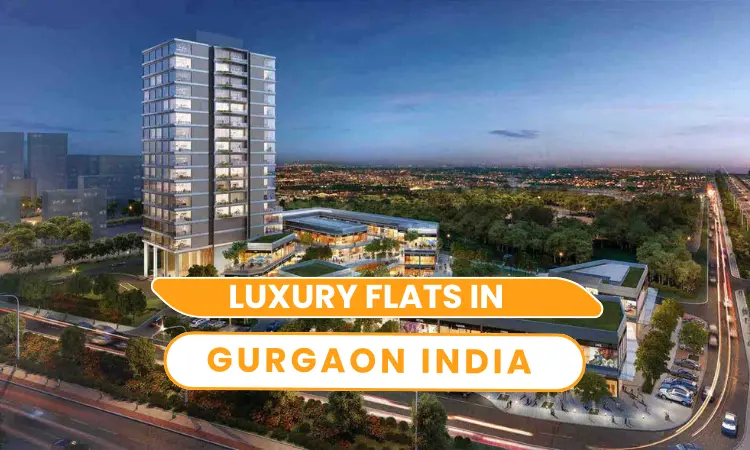
The Indian real estate market in 2026 is witnessing a decisive pivot towards high-ticket-size homes. Rising incomes, increased NRI participation, and a growing preference among millennials for better amenities and lifestyle features are fueling demand for premium and luxury properties.
Demand Drivers:
- Increased Disposable Income: Millenials and high-net-worth individuals are investing in larger homes with superior amenities.
- Preference for Quality: Buyers are becoming more discerning, prioritizing construction quality, design, amenities, connectivity, and developer credibility.
- Significant Sales Growth: Homes priced at INR 1 crore and above accounted for 71% of residential sales across India's top seven cities in Q1 2026, a substantial increase from the previous year. Sales in the INR 1.5 crore - INR 3 crore segment registered a 134% increase in launches.
- NCR Hotspots: Areas like Dwarka Expressway, Golf Course Extension Road, and Noida Expressway are attracting luxury homebuyers due to infrastructure and lifestyle offerings.
7. Plotted Developments in Growth Corridors
Investing in residential plots continues to be a strong option, especially in strategic growth corridors around developing cities. These offer high capital appreciation and flexibility for future development.
Why Plots Remain Attractive:
- High Appreciation Potential: Plotted developments have shown significant appreciation, with prices across NCR jumping 2-3 times in recent times. Land investment has historically been regarded as a top asset class due to its potential for higher gains.
- Lower Entry Point: Often, plotted developments offer a more accessible entry point into the real estate market compared to ready-to-move-in apartments, particularly in emerging areas.
- Flexibility: Owners have the flexibility to design and build their homes according to their specific needs and preferences.
- Gurugram Specifics: In Gurugram, areas along the Dwarka Expressway and Sohna Road offer excellent capital appreciation for plots, benefiting from improved connectivity. DDJAY plots in Gurugram are also considered a strong investment.
Comparing Investment Opportunities: Traditional vs. Emerging
| Feature | Traditional Residential (Mature Metros) | Emerging Opportunities (Tier-2 Cities, Specific Micro-Markets, Specialized Segments) |
|---|---|---|
| Entry Price | Generally High | Comparatively Lower |
| Appreciation Potential | Moderate to Steady | High to Very High (Infrastructure-driven) |
| Rental Yields | Typically 2-3% | Often Higher, 4-6% (Tier-2), 8-14% (Logistics), High Occupancy (Co-living) |
| Liquidity | High | Moderate (Can be lower in very nascent markets, higher in established Tier-2s) |
| Risk Profile | Lower | Slightly Higher (Requires thorough due diligence and expert guidance) |
| Key Drivers | Established demand, stable market | Infrastructure development, economic growth, changing demographics, specialized demand |
Conclusion
The year 2026 is shaping up to be a pivotal year for real estate investment in India, offering a blend of stability in established markets and exciting growth in emerging segments. From infrastructure-led micro-markets in Delhi-NCR, particularly around Gurugram and Noida, to the burgeoning Tier-2 cities across India, the opportunities are diverse and compelling. The specialized segments of logistics, co-living, sustainable housing, and premium residential properties also present unique pathways to significant returns.
For investors and homebuyers, the key to unlocking these hidden opportunities lies in research, understanding micro-market dynamics, and seeking expert advisory. Realty Applications, with its deep insights into the Gurugram, Delhi-NCR, and wider Indian real estate markets, is well-equipped to guide you through these complex decisions. Whether you are looking for buyer consultation, property investment guidance, or assistance with buying and selling plots, our research-driven approach ensures you make informed decisions for a prosperous future. For deeper insights into market trends and investment strategies, explore our resources on Real Estate Investment in India: What's Changing in 2026? or understand the Top Real Estate Investment Trends in India for 2026-27.