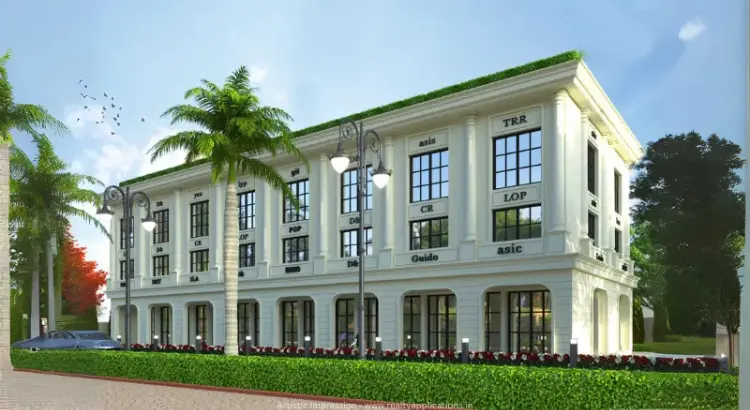



Under-Construction vs. Ready-to-Move Property: A Comprehensive Comparison on GST, Risk, and Return
The decision to invest in real estate, whether for personal use or as a strategic investment, is often one of the most significant financial choices an individual or family makes. In the dynamic Indian property market, particularly in high-growth corridors like Gurugram, prospective buyers are frequently presented with two primary options: under-construction properties and ready-to-move properties. Each category presents a unique set of advantages, disadvantages, financial implications, and risk profiles. As seasoned real estate consultants at Realty Applications, we consistently encounter clients grappling with this fundamental choice.
Drawing from over a decade of hands-on experience and systematic analysis of market trends, regulatory changes, and investor sentiment, we recognize that a truly informed decision requires a deep understanding of several critical factors. This article aims to provide a comprehensive, unbiased comparison, focusing specifically on the impact of Goods and Services Tax (GST), the inherent risks associated with each type, and their respective potential for returns. We will delve into the nuances that distinguish these property types, offering clarity and practical insights to guide your investment journey.
Understanding Under-Construction Properties
Under-construction properties, as the name suggests, are those that are still in various stages of development – from groundbreaking to nearing completion. These properties are typically offered by developers through attractive pre-launch or launch schemes, allowing buyers to book a unit before or during its construction phase. The payment structure usually follows a construction-linked plan, where installments are tied to specific milestones achieved during the building process.
Definition and Characteristics
- Phased Payments: Buyers pay in installments linked to the project's construction progress. This offers financial flexibility over a longer period.
- Future-Oriented Investment: The purchase is based on blueprints, architectural renderings, and the developer's promise of future delivery.
- Potential for Customization: Depending on the stage of construction, buyers might have limited options to customize interiors or finishes.
- New Age Infrastructure: Often part of modern townships or integrated developments, featuring contemporary designs, amenities, and infrastructure.
Advantages of Under-Construction Properties
From our perspective, under-construction properties offer several compelling benefits:
- Lower Entry Price: Generally, these properties are priced lower than ready-to-move units in the same locality, offering an entry point for buyers with budget constraints.
- Higher Capital Appreciation Potential: As the project progresses and the locality develops, the property value tends to appreciate from the booking date to possession, often yielding a better return on investment.
- Flexible Payment Plans: The phased payment structure eases the financial burden, spreading the cost over several years.
- Brand New Property: Buyers receive a brand new property with modern amenities and the latest construction standards upon completion.
- RERA Protection: The Real Estate (Regulation and Development) Act, 2016 (RERA) provides a robust regulatory framework, offering greater transparency and protection against delays and quality issues. We have observed that RERA's implementation has significantly mitigated many traditional risks.
Disadvantages of Under-Construction Properties
Despite the advantages, we also identify notable drawbacks that potential buyers must consider:
- Construction Delays: This is arguably the most common risk. Delays can lead to prolonged EMI payments without possession, and continued rental expenses, creating a dual financial burden.
- Developer Solvency and Credibility Risks: While RERA has helped, the financial stability and track record of the developer remain crucial. Instances of project abandonment or developer bankruptcy, though rarer now, can still occur.
- Uncertainty in Final Product: The finished unit might differ slightly from the initial plans or renderings due to various reasons, including material changes or design modifications.
- No Immediate Rental Income: For investors, the property does not generate rental income until possession, affecting cash flow projections.
- GST Liability: Buyers are liable to pay GST on the property value, which adds to the overall cost.
Understanding Ready-to-Move Properties
Ready-to-move properties are those that are fully constructed, have received their Occupancy Certificate (OC), and are ready for immediate possession. These can be newly completed projects or resale properties that have been previously owned.
Definition and Characteristics
- Immediate Possession: Buyers can move in or rent out the property immediately after purchase and registration.
- What You See Is What You Get: There is no ambiguity about the final product; buyers can inspect the actual unit, its construction quality, and amenities.
- Established Neighborhoods: Often located in well-developed areas with existing infrastructure and social amenities.
- Clear Title and Documents: Generally, all legal formalities, including OC, are in place, streamlining the transaction process.
Advantages of Ready-to-Move Properties
Our analysis highlights several key advantages:
- Immediate Possession and Rental Income: The most significant advantage is instant gratification and the ability to generate rental income from day one for investors.
- No Construction Risk: Buyers are entirely insulated from construction delays, quality issues, or developer insolvency.
- No GST on Completed Properties: Properties with an Occupancy Certificate are exempt from GST, offering significant savings to buyers. This is a substantial financial benefit that we emphasize to our clients.
- Elimination of Rent + EMI Burden: Buyers avoid the financial strain of paying both rent for their current accommodation and EMIs for the new property simultaneously.
- Physical Verification: The ability to physically inspect the property, neighborhood, and amenities provides peace of mind.
Disadvantages of Ready-to-Move Properties
While attractive, ready-to-move options do come with their own set of drawbacks:
- Higher Upfront Cost: These properties typically command a higher price per square foot compared to under-construction alternatives in the same locality, due to their immediate availability and lack of construction risk.
- Limited Customization: Buyers have little to no scope for customizing the layout or finishes, unless they undertake renovations post-purchase.
- Potentially Older Construction: Especially in the case of resale properties, the construction might be older, requiring potential maintenance or renovation soon after purchase.
- Reduced Capital Appreciation Potential (Initial Phase): While appreciation continues, the initial high jump in value seen in under-construction properties from booking to completion is already factored into the ready-to-move price.
- Higher Down Payment Requirement: Lenders might require a higher down payment for resale properties compared to new developer projects.
The GST Factor: A Critical Distinction
One of the most significant financial differentiators between under-construction and ready-to-move properties is the application of Goods and Services Tax (GST). We have observed that a clear understanding of these regulations is paramount for accurate financial planning.
GST on Under-Construction Properties
As per the revised GST rules effective April 1, 2019, GST is applicable on under-construction properties. The rates are as follows:
- Affordable Housing Projects: 1% without Input Tax Credit (ITC). An affordable residential apartment is defined as one having a carpet area of up to 60 square meters in metropolitan cities (Chennai, Delhi NCR, Kolkata, Bengaluru, Hyderabad, Mumbai) or 90 square meters in non-metropolitan cities, and a maximum value of 4.5 million INR.
- Non-Affordable Housing Projects: 5% without ITC.
The crucial aspect here is the removal of ITC for developers. This means developers cannot claim credit for the GST paid on raw materials and services. This cost is typically factored into the property price. We systematically analyze these components to provide our clients with accurate total cost projections.
For more detailed official guidelines on GST in real estate, we often refer to the Central Board of Indirect Taxes and Customs (CBIC) publications: https://www.cbic.gov.in/.
GST on Ready-to-Move Properties
A major financial relief for buyers of ready-to-move properties is the absence of GST. If a property has received its Occupancy Certificate (OC) from the competent authority before the sale agreement is signed, it is treated as a sale of immovable property, and thus, falls outside the purview of GST. This applies to both newly completed projects with OC and resale properties.
Implications for Buyers
The GST component can significantly impact the total cost of acquisition. For a property valued at, say, 10 million INR, a 5% GST would add an additional 500,000 INR to the cost of an under-construction unit, a charge entirely avoided with a ready-to-move property. This difference can influence loan eligibility, down payment requirements, and overall affordability, necessitating careful budgeting.
Assessing Risk Profiles
Every investment carries risk, and real estate is no exception. We meticulously evaluate the distinct risk profiles associated with under-construction and ready-to-move properties to ensure our clients make prudent choices.
Construction Risk
- Delays: As highlighted, delays in project completion can lead to financial strain, as buyers might be paying both EMIs and rent for an extended period. We have witnessed cases where delays span several years, severely impacting buyer finances.
- Quality Concerns: Despite regulations, there can be discrepancies between promised and delivered quality. Substandard materials or poor workmanship can lead to long-term maintenance issues.
- Developer Bankruptcy/Abandonment: Although RERA has significantly mitigated this, the risk of a developer facing financial distress or abandoning a project, while reduced, is not entirely eliminated. This can result in significant legal battles and financial losses for buyers.
Market Risk
- Price Fluctuations during Construction: Economic downturns or oversupply in the market during the construction period can dampen the expected capital appreciation, potentially leading to a situation where the property's value at possession is lower than anticipated.
- Liquidity Issues: Selling an under-construction property mid-way through its development can be challenging, often requiring a discount to attract buyers, especially if the project has faced delays or other issues.
Legal and Regulatory Risks
We emphasize the importance of thorough due diligence to mitigate legal and regulatory risks. While RERA has brought much-needed transparency, verifying all approvals, clear land titles, and the developer's compliance is crucial. We often consult official state RERA websites, such as Haryana RERA for our Gurugram-based clients, to verify project registrations and developer credentials.
Analyzing Return on Investment (ROI)
The primary goal of any real estate investment is to generate attractive returns. The path to achieving this varies significantly between under-construction and ready-to-move properties.
Capital Appreciation Potential
- Under-Construction: These properties often offer higher capital appreciation potential, especially if purchased at the early stages of a project in a rapidly developing area. The price typically rises as construction progresses and infrastructure develops around the project.
- Ready-to-Move: While ready-to-move properties appreciate with overall market growth, the initial substantial jump in value from booking to completion is already realized. Their appreciation curve tends to be more gradual and aligned with general market trends.
Rental Yield
- Ready-to-Move: Offers immediate rental income, contributing directly to the investor's cash flow and potentially offsetting EMI payments. Calculating the expected rental yield is straightforward.
- Under-Construction: Suffers from a delayed rental income stream. Investors must factor in the lost rental income during the construction period when calculating their true ROI.
Cost of Ownership
- GST Component: As discussed, GST adds to the overall cost of under-construction properties, impacting the initial investment and, consequently, the ROI.
- Interest During Construction (IDC): If taking a home loan for an under-construction property, buyers often pay "pre-EMI" or interest only during construction. This adds to the overall cost before possession.
- Maintenance Charges: Ready-to-move properties incur immediate maintenance charges for common facilities and services, which must be factored into the cost of ownership.
Liquidity Considerations
We advise clients to consider the ease of exiting an investment. Ready-to-move properties generally offer better liquidity as they can be sold immediately, often at market rates. Selling an under-construction property can be more challenging and may require offering discounts, especially if the project is stalled or faces other issues.
Comparative Analysis: Under-Construction vs. Ready-to-Move
To provide a clear overview, we have compiled a comparative table summarizing the key aspects:
| Parameter | Under-Construction Property | Ready-to-Move Property |
|---|---|---|
| Purchase Price | Generally lower (entry point) | Generally higher (premium for immediacy) |
| GST Applicability | Yes (1% or 5% without ITC, based on housing type) | No (if OC received before sale deed) |
| Possession Time | Delayed (typically 1-5 years) | Immediate |
| Construction Risk | High (delays, quality, developer solvency) | None |
| Capital Appreciation Potential | Potentially higher (from booking to possession) | Gradual (aligned with market growth) |
| Rental Income | Delayed (starts post-possession) | Immediate |
| Customization Options | Limited (at early stages) | Minimal to none (post-purchase renovation) |
| RERA Protection | Applicable and beneficial | Less relevant (post-OC) |
| Inspection | Based on plans, samples, show flats | Physical inspection of actual unit |
| Overall Financial Burden | Potentially rent + EMI during construction, GST | Higher upfront cost, immediate maintenance |
Making an Informed Decision: Our Expert Perspective
The choice between an under-construction and a ready-to-move property is highly personal and depends on an individual's financial situation, risk appetite, and investment goals. We, at Realty Applications, believe in empowering our clients with all the necessary information to make a decision that aligns perfectly with their objectives.
For the First-Time Homebuyer
First-time homebuyers, particularly those looking for immediate occupancy and certainty, might find ready-to-move properties more appealing despite the higher upfront cost. The absence of construction risk, immediate possession, and freedom from GST can provide significant peace of mind. While the upfront cost is higher, the certainty of the product and the elimination of a dual financial burden (rent + EMI) often outweigh the potential for higher appreciation from an under-construction property.
For the Investor
Investors with a higher risk tolerance and a longer investment horizon might lean towards under-construction properties, particularly in promising growth corridors of Gurugram. The potential for substantial capital appreciation, especially if purchased from a reputable developer in an area undergoing rapid infrastructure development, can yield superior returns. However, this strategy requires thorough due diligence and a preparedness for potential delays.
Key Due Diligence Steps
Regardless of your choice, we always recommend the following:
- Developer Track Record: Research the developer's history of project delivery, quality, and financial stability.
- RERA Registration: Verify the project's RERA registration and check for any complaints or issues on the RERA portal.
- Project Approvals: Ensure all necessary governmental and environmental approvals are in place.
- Financial Viability: Understand your budget, payment plans, loan eligibility, and the total cost including all taxes and charges.
- Location Analysis: Evaluate the future growth potential of the locality, proximity to essential services, and connectivity.
Realty Applications: Your Trusted Partner in Gurugram Real Estate
At Realty Applications, we pride ourselves on our deep understanding of the Gurugram real estate landscape. Our team of experienced professionals meticulously tracks market dynamics, regulatory changes, and emerging investment opportunities. We assist our clients in conducting thorough due diligence, understanding financial implications, and making informed decisions that align with their personal and investment goals. Whether you are a first-time homebuyer or a seasoned investor, we are committed to providing transparent, expert guidance every step of the way.
Conclusion
The dichotomy between under-construction and ready-to-move properties is not about one being inherently superior to the other; rather, it is about aligning the property choice with your specific circumstances and aspirations. Under-construction properties offer the allure of lower entry prices and potentially higher appreciation, albeit with inherent construction and market risks, and the added burden of GST. Ready-to-move properties provide immediate gratification, certainty, and exemption from GST, but typically come with a higher upfront cost and more gradual appreciation.
Ultimately, a judicious decision requires careful consideration of GST implications, a robust assessment of risks, a clear understanding of potential returns, and comprehensive due diligence. We encourage all prospective buyers to engage with trusted real estate advisors to navigate this crucial decision effectively, ensuring a secure and rewarding real estate investment.