


Top 5 IT Hubs in India Driving Real Estate Demand
India's rapid emergence as a global IT powerhouse has fundamentally reshaped its urban landscapes and, consequently, its real estate dynamics. The burgeoning technology sector, characterized by robust growth in IT services, software development, and a vibrant startup ecosystem, acts as a primary catalyst for real estate demand across both commercial and residential segments. As expert real estate consultants based in Gurugram, we at Realty Applications have systematically analyzed this intricate relationship, observing firsthand how the concentration of IT enterprises fuels an insatiable need for modern office spaces, data centers, and, critically, high-quality housing for a burgeoning workforce.
The symbiotic relationship between the IT sector and real estate development is undeniable. Where technology companies thrive, infrastructure follows, attracting a skilled talent pool that drives demand for residential properties, retail, and social amenities. This article delves into the top five IT hubs in India that are not only at the forefront of technological innovation but are also significant drivers of the nation's real estate growth, offering lucrative opportunities for investors and homeowners alike.
The Symbiotic Relationship: IT Growth and Real Estate Evolution
The Indian IT sector's monumental growth over the past two decades has profoundly impacted urban development. As companies expand, they require extensive commercial real estate – from sprawling tech parks and Special Economic Zones (SEZs) to flexible co-working spaces and purpose-built campuses. This commercial demand often precedes, or runs concurrently with, a significant surge in residential demand, as thousands of professionals migrate to these hubs in search of career opportunities. This influx necessitates a diverse range of housing options, from affordable apartments to luxury villas, directly influencing property values and rental yields.
Furthermore, the establishment of major IT corporations often acts as a magnet for ancillary services. Retail outlets, hospitality businesses, educational institutions, and healthcare facilities all cluster around these tech corridors to cater to the needs of the affluent IT workforce. This holistic development creates self-sustaining ecosystems that enhance the overall livability and investment appeal of these regions. We've observed that areas with high IT job density often exhibit higher rates of infrastructure development, planned urban expansion, and superior civic amenities, making them prime real estate investment destinations.
Key Drivers of Real Estate Demand in IT Hubs
- Job Creation & Influx of Talent: The primary driver is the sheer volume of high-paying jobs created by IT and ITES companies, attracting skilled professionals from across the country.
- Infrastructure Development: Governments and private developers invest heavily in world-class infrastructure, including expressways, metro lines, international airports, and smart city initiatives, to support the IT sector's expansion.
- Startup Ecosystem & FDI: A thriving startup culture, coupled with significant Foreign Direct Investment (FDI) into the tech sector, creates a dynamic environment that fosters continuous growth and demand for both commercial and residential spaces.
- Government Policies & Incentives: Proactive government policies, such as the creation of IT Parks, SEZs, and incentives for tech companies, play a crucial role in shaping the growth trajectory of these hubs.
Top 5 IT Hubs Spearheading India's Real Estate Boom
We systematically analyzed various cities based on their IT sector footprint, employment generation, infrastructure development, and consistent real estate growth. The following five cities stand out as the undisputed leaders:
1. Bengaluru – The Silicon Valley of India
Bengaluru remains the undisputed leader in India's IT landscape, home to global tech giants, multinational corporations, and a vibrant startup ecosystem. Its established dominance in software development, biotechnology, and aerospace engineering continues to attract a massive talent pool. This consistent influx has driven sustained demand for both commercial and residential properties.
- Commercial Real Estate: Areas like Outer Ring Road (ORR), Whitefield, Electronic City, and Koramangala consistently see high office space absorption rates. The demand extends to flexible workspaces and data centers, driven by cloud computing and AI advancements.
- Residential Real Estate: Bengaluru's residential market is characterized by a mix of high-end apartments, luxury villas, and co-living spaces catering to a diverse demographic. Micro-markets around the IT corridors experience significant capital appreciation and robust rental yields.
2. Hyderabad – The Cyberabad Phenomenon
Hyderabad has rapidly emerged as a formidable IT hub, often dubbed "Cyberabad." Its strategic government support, favorable business policies, and development of world-class infrastructure have attracted major tech players like Microsoft, Amazon, and Google. The city's focus on IT, pharmaceuticals, and biotechnology sectors ensures a diverse economic base.
- Commercial Real Estate: The Hitec City and Gachibowli corridors are the epicenters of commercial development, featuring Grade A office spaces. Upcoming infrastructure projects further enhance connectivity and appeal.
- Residential Real Estate: Areas surrounding Hitec City, Gachibowli, and the Financial District are witnessing exponential growth in residential projects, including gated communities and luxury apartments, driven by job creation in the IT sector.
3. Gurugram – The Millennium City's Ascent
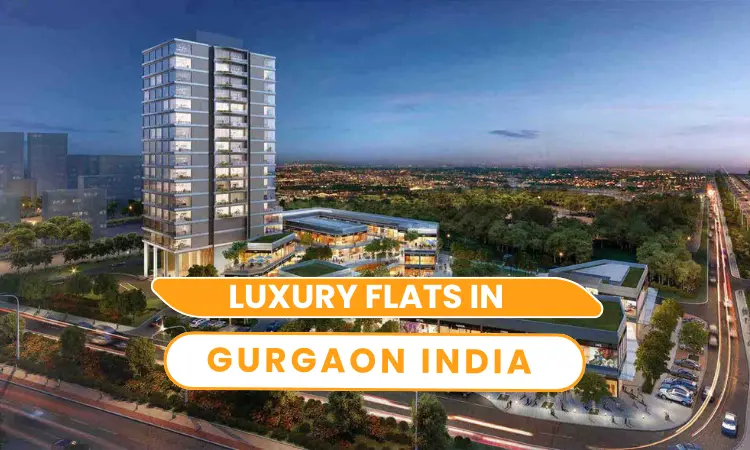
Gurugram, often referred to as the "Millennium City," stands as a beacon of modern urbanization and economic growth in the Delhi-NCR region. Its strategic location, proximity to the capital, and proactive development policies have made it a preferred destination for multinational corporations and IT/ITES companies. Gurugram boasts a robust ecosystem of corporate parks, luxury housing, and top-tier retail and hospitality sectors.
- Commercial Real Estate: The Cyber City, Golf Course Road, and Sohna Road corridors are hubs for Grade A office spaces, attracting IT, BPO, and consulting firms. The demand for flexible workspaces is also on the rise.
- Residential Real Estate: Gurugram offers a wide spectrum of residential properties, from high-rise apartments in sectors like Sector 67 Gurgaon - Property Rates, Connectivity & Projects to ultra-luxury penthouses. Significant infrastructure developments like the Dwarka Expressway Property Price Trends 2026 and the Gurgaon-Pataudi-Rewari Highway NH-352W | Route & Impact have profoundly impacted property values and connectivity, making areas along these routes highly attractive.
4. Pune – The Oxford of the East & IT/Auto Hub
Pune's unique blend of educational excellence, manufacturing strength, and a rapidly expanding IT sector makes it a compelling investment destination. The city's pleasant climate and cosmopolitan culture further enhance its appeal to IT professionals, solidifying its position as a key real estate driver.
- Commercial Real Estate: Hinjewadi, Kharadi, and Hadapsar are the primary IT hubs, hosting numerous IT parks and global companies. The demand for office spaces remains strong, supported by continuous expansion plans.
- Residential Real Estate: The residential market around these IT corridors, including areas like Wakad, Baner, and Pimpri-Chinchwad, offers a mix of affordable and mid-segment housing, along with a growing luxury segment.
5. Chennai – The Gateway to South India's Tech
Chennai, with its robust manufacturing base and burgeoning IT/ITeS sector, presents a stable and promising real estate market. The city benefits from excellent port connectivity, a skilled workforce, and substantial government investment in infrastructure, making it a gateway for both domestic and international businesses.
- Commercial Real Estate: The Old Mahabalipuram Road (OMR), also known as the IT Corridor, and areas like Guindy and Perungudi, are thriving with IT parks and commercial developments.
- Residential Real Estate: Residential demand is strong along OMR, East Coast Road (ECR), and areas with good connectivity to commercial hubs, offering diverse options from apartments to independent houses.
Comparative Analysis: Investment Potential
To better understand the investment landscape, we present a comparative overview of these top IT hubs:
| City | Primary IT Corridors | Key Growth Drivers | Average Property Appreciation (Last 5 Years)* | Residential Rental Yields (Approx.)* |
|---|---|---|---|---|
| Bengaluru | ORR, Whitefield, Electronic City | Established IT dominance, startup ecosystem, skilled talent pool. | ~30-40% | 3.5-4.5% |
| Hyderabad | Hitec City, Gachibowli | Proactive government support, new large-scale IT investments, infrastructure. | ~40-50% | 3.8-4.8% |
| Gurugram | Cyber City, Golf Course Road, Sohna Road | Corporate HQ concentration, luxury market, excellent connectivity, Delhi-NCR proximity. | ~25-35% | 3.0-4.0% |
| Pune | Hinjewadi, Kharadi, Hadapsar | Education hub, IT-auto synergy, balanced growth, affordability. | ~28-38% | 3.2-4.2% |
| Chennai | OMR, Guindy | Manufacturing base, stable IT/ITeS, port connectivity, skilled workforce. | ~20-30% | 2.8-3.8% |
*Note: These figures are indicative and can vary significantly based on micro-market, property type, and economic conditions. Data compiled from internal research and industry reports.
Future Outlook and Investment Strategy
The future of India's real estate market, particularly in these IT hubs, appears robust. Emerging trends such as the widespread adoption of hybrid work models are influencing the demand for flexible office spaces and larger residential units that accommodate home offices. Sustainable and smart city developments are also gaining traction, promising greener and more efficient urban living spaces. We anticipate continued investment in physical and digital infrastructure, further solidifying the appeal of these cities.
For investors, a strategic approach involves focusing on micro-markets within these IT corridors that are supported by ongoing infrastructure projects and have a high concentration of IT professionals. Considering properties that offer potential for both capital appreciation and stable rental income is advisable. Furthermore, understanding the regulatory landscape, such as RERA guidelines, is paramount for secure investments.
The Indian IT sector is projected to continue its impressive growth trajectory, with NASSCOM reporting significant revenue growth and job creation in recent years, reinforcing the sector's foundational role in the economy. This sustained expansion will inevitably translate into continued real estate demand. Moreover, global consulting firms like JLL frequently highlight India's major cities, especially the ones mentioned above, as top investment destinations due to their demographic dividend and economic resilience. NASSCOM's Strategic Review 2024 and JLL's India Real Estate Outlook consistently underscore the positive correlation between IT growth and urban development, validating our observations.
Conclusion
India's leading IT hubs—Bengaluru, Hyderabad, Gurugram, Pune, and Chennai—are more than just centers of technological innovation; they are dynamic ecosystems driving the nation's real estate growth. Their capacity to attract talent, foster innovation, and continuously expand their commercial footprint directly translates into burgeoning demand for both residential and commercial properties. As these cities evolve, their real estate markets present compelling opportunities for investors and homebuyers alike. Understanding the nuances of each market, supported by expert guidance, is key to making informed and strategic real estate decisions in this vibrant landscape.