


The Skyline of Progress: Indian Real Estate Over 3 Decades
Over the past thirty years, the Indian real estate sector has undergone a profound metamorphosis, evolving from a largely unorganized landscape into a dynamic, regulated, and globally significant industry. We, at Realty Applications, have systematically analyzed this journey, witnessing firsthand the transformative shifts driven by economic liberalization, technological advancements, and evolving consumer aspirations. This period marks a captivating narrative of growth, resilience, and strategic evolution, fundamentally reshaping India's urban fabric and contributing significantly to its economic prowess.
The Genesis: Economic Liberalization and Early Growth (1990s - Early 2000s)
The dawn of the 1990s ushered in a new era for India with sweeping economic reforms that dismantled protectionist policies and opened the economy to global markets. This liberalization had a catalytic effect on real estate. Previously, the sector was fragmented, primarily driven by individual developers and local regulations. The influx of foreign capital and the emergence of a burgeoning middle class, coupled with the IT revolution, spurred demand for quality residential, commercial, and retail spaces, particularly in metropolitan centers like Bengaluru, Mumbai, Delhi-NCR (including Gurugram), and Hyderabad.
This phase saw the embryonic stages of organized real estate development. Builders began adopting more structured approaches, though regulatory frameworks remained nascent. Challenges included a lack of transparency, cumbersome approval processes, and limited access to institutional funding. Nevertheless, this era laid the foundational groundwork for the spectacular growth that was to follow, planting the seeds for what would become one of the world's most vibrant real estate markets.
The Boom Era: Unprecedented Expansion and Diversification (Mid-2000s - Early 2010s)
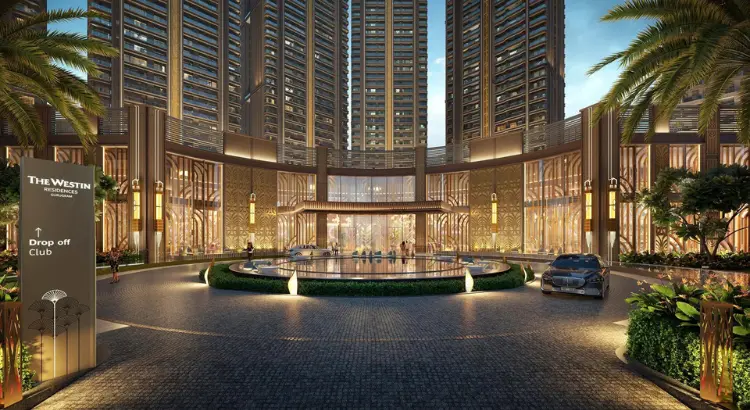
The mid-2000s marked an undeniable boom for Indian real estate. The sustained growth of the IT/ITES sector created an insatiable demand for commercial office spaces and urban housing for a rapidly expanding workforce. This period witnessed the rapid development of integrated townships, Special Economic Zones (SEZs), and a significant rise in retail real estate, with malls becoming prominent features of cityscapes. Foreign Direct Investment (FDI) in real estate was permitted in 2005, providing a crucial capital injection and bringing in global best practices.
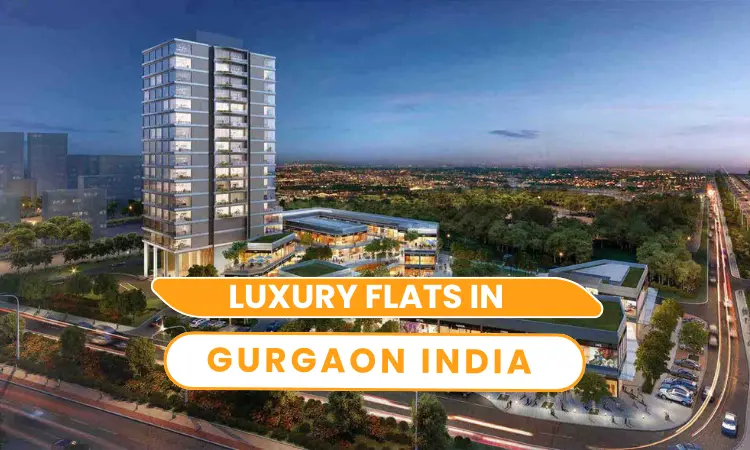
Accessibility to home loans improved significantly, making homeownership a tangible dream for millions. Tier-2 and Tier-3 cities also started witnessing development, driven by decentralization and infrastructure improvements. The skyline began transforming rapidly, characterized by larger, more sophisticated projects catering to diverse segments, from luxury housing to the nascent affordable housing initiatives.
Navigating Complexity: Regulation, Technology, and Resilience (Mid-2010s - Present)
The latter half of the last decade and the current period have been defined by significant policy interventions and a greater emphasis on transparency and accountability. Landmark reforms such as the Goods and Services Tax (GST), Demonetization, and most notably, the Real Estate (Regulation and Development) Act, 2016 (RERA), have fundamentally restructured the industry. RERA, in particular, has been a game-changer, bolstering buyer confidence by introducing strict timelines, project registration, and dispute resolution mechanisms. For detailed information on its implementation, refer to the Ministry of Housing and Urban Affairs (MoHUA) official portal.
This era also saw the accelerated adoption of technology, giving rise to 'PropTech' – property technology. From online property portals to virtual tours, AI-driven analytics, and smart home solutions, technology has enhanced efficiency and redefined customer experiences. Sustainability has emerged as a key theme, with green building concepts and environmentally conscious development gaining traction. The COVID-19 pandemic, while initially causing disruptions, demonstrated the sector's resilience, leading to renewed demand for larger homes, integrated communities, and a greater focus on health and wellness features.
Key Transformations Across Segments
The evolution of Indian real estate has manifested differently across its various segments:
| Segment | 1990s-Early 2000s Characteristics | Mid-2000s-Present Characteristics |
|---|---|---|
| Residential | Primarily independent houses, basic apartment complexes; limited amenities; unorganized local developers. | High-rise apartments, gated communities, integrated townships; extensive amenities (gyms, pools, clubs); focus on smart homes, sustainability, and buyer-centric designs. |
| Commercial (Office) | Stand-alone buildings, traditional office layouts; concentrated in CBDs; basic infrastructure. | Grade A office spaces, IT parks, SEZs; flexible workspaces (co-working), smart buildings, LEED certification; focus on employee well-being and connectivity. |
| Retail | Local markets, high street shops, unorganized retail. | Large format malls, hypermarkets, multiplexes; experiential retail, integration of F&B and entertainment; growing e-commerce impact on physical spaces. |
| Industrial/Warehousing | Small, fragmented godowns; often unequipped. | Modern logistics parks, grade A warehouses; sophisticated supply chain infrastructure; driven by e-commerce and manufacturing expansion. |
| Hospitality | Limited branded hotels, primarily in metros; focus on traditional tourism. | International hotel chains, boutique hotels, service apartments; diversified tourism (medical, religious, business); increasing domestic travel. |
Drivers of Future Growth and Sustained Momentum
Looking ahead, several factors are poised to sustain and propel India's real estate growth. Urbanization continues unabated, with millions migrating to cities for better opportunities, fueling demand across all segments. India's favorable demographics, with a large young working population, will remain a key driver for housing and commercial spaces. Government initiatives like "Housing for All," Smart Cities Mission, and significant infrastructure investments (e.g., national highways, metro networks, airports) are creating new growth corridors and enhancing connectivity.
Furthermore, technology will continue to be an enabler, making transactions more transparent and efficient. Increased foreign and institutional investment, coupled with the consolidation of the developer landscape post-RERA, points towards a more mature and reliable market. This systemic shift towards greater governance and technological integration is detailed in various industry analyses, including reports by leading real estate consultancies like JLL. For insights into market dynamics and forecasts, refer to JLL India's Research & Insights, which consistently tracks these trends.
Challenges and Opportunities
While the journey has been remarkable, challenges persist. Affordability remains a concern in prime urban centers, necessitating innovative solutions and greater emphasis on transit-oriented development. Sustainable development practices are crucial to mitigate environmental impact. Addressing infrastructure gaps in rapidly developing areas is also paramount.
However, these challenges are outweighed by vast opportunities. The rise of Tier-2 and Tier-3 cities presents untapped potential. Niche segments like co-living, student housing, senior living, and data centers are gaining traction. The demand for industrial and warehousing spaces is expected to surge, driven by e-commerce and manufacturing growth. India's digital transformation also creates immense possibilities for proptech innovations.
Conclusion
The last three decades have carved an indelible mark on Indian real estate, transforming it from an opaque, localized industry into a globally recognized and regulated market. We've witnessed incredible growth, navigated complex reforms, and embraced technological disruption. As Gurugram-based Real Estate Consultants, we at Realty Applications are proud to be part of this continuing saga, leveraging our deep understanding and experience to guide our clients through a market that promises sustained progress and unparalleled opportunities. The 'Skyline of Progress' is not just a metaphor; it's a testament to India's dynamic real estate journey, reflecting its aspirations and economic might.