


The Skyline of Progress: A Perspective on Indian Real Estate Over the Last Three Decades
The landscape of Indian real estate has undergone a seismic transformation over the past three decades. From a largely unorganized and nascent sector in the early 1990s, it has evolved into a sophisticated, regulated, and dynamic industry that significantly contributes to the nation's GDP. This journey mirrors India's broader economic liberalization and its ascent as a global economic power. Understanding this evolution is crucial for anyone looking to invest, buy, or simply grasp the forces shaping urban India.
The Dawn of a New Era: The 1990s and Early 2000s
The economic reforms of 1991 were the catalyst for India's real estate awakening. Prior to this, the sector was fragmented, largely dependent on local developers, and lacked formal structures. Foreign direct investment (FDI) was restricted, and financing options were limited. Property transactions were often opaque, driven by cash, and lacked transparency.
- Liberalization's Impact: As the economy opened up, new industries, particularly IT and IT-enabled services, began to flourish. This created a massive demand for commercial spaces in cities like Bengaluru, Hyderabad, Pune, and Gurugram, which rapidly emerged as IT hubs.
- Urban Migration: The promise of economic opportunities spurred unprecedented rural-to-urban migration, leading to an acute shortage of housing in metropolitan areas. This laid the foundation for the burgeoning residential real estate market.
- Emergence of Organized Players: The late 90s and early 2000s saw the entry and growth of organized real estate developers. These players brought with them professional management, better construction techniques, and a more structured approach to project development. However, regulatory oversight was still minimal.
The Boom Years: Mid-2000s to Early 2010s
This period marked an unprecedented boom in the Indian real estate sector. Rising incomes, easier access to home loans (with falling interest rates), and increased investor confidence fueled rapid expansion.
- Infrastructure Development: Massive investments in infrastructure – highways, expressways (like the Delhi-Mumbai Expressway), airports, and metro networks – unlocked new growth corridors and made peripheral areas attractive for development.
- Integrated Townships: Developers began conceptualizing and executing large-scale integrated townships, offering a complete lifestyle with residential, commercial, retail, and recreational facilities. These projects redefined urban living, moving beyond standalone buildings.
- Globalization of Real Estate: FDI norms were further relaxed, allowing international funds and developers to enter the Indian market, bringing in capital, global best practices, and advanced technology. This competition pushed local developers to enhance quality and efficiency.
The Era of Regulation and Refinement: 2016 Onwards
While the boom brought growth, it also highlighted the need for greater transparency and accountability. The lack of regulation often led to project delays, disputes, and unfair practices, eroding buyer confidence. The government's interventions post-2016 were pivotal in restructuring the industry.
- RERA (Real Estate (Regulation and Development) Act, 2016): This was a game-changer. RERA aimed to bring transparency, accountability, and financial discipline to the sector. It mandated project registration, timely delivery, and clear contractual obligations. For a deeper understanding of its implications, you can refer to our complete guide to RERA in Gurgaon.
- Demonetization and GST: While initially disruptive, demonetization (2016) and the implementation of GST (2017) aimed to formalize the economy and reduce the prevalence of black money in real estate transactions, making the sector more transparent and tax-compliant.
- Affordable Housing Push: Government initiatives like Pradhan Mantri Awas Yojana (PMAY) significantly boosted the affordable housing segment, making homeownership accessible to a wider demographic. This led to a surge in projects catering to mid-income and economically weaker sections.
Current Trends and Future Outlook: The 2020s
Today, Indian real estate stands at a fascinating juncture, influenced by technological advancements, evolving consumer preferences, and a renewed focus on sustainability.
Digital Transformation
The pandemic accelerated the adoption of digital tools. Virtual tours, online property platforms, and digital documentation have become commonplace, making the property search and buying process more efficient for both domestic and international buyers, including NRIs.
Rise of Luxury and Ultra-Luxury Segment
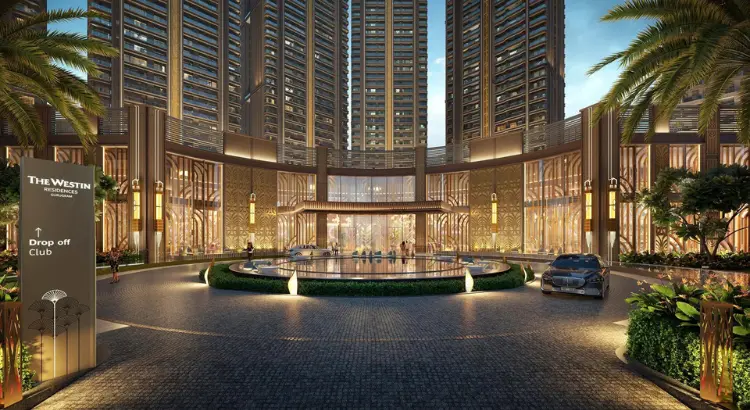
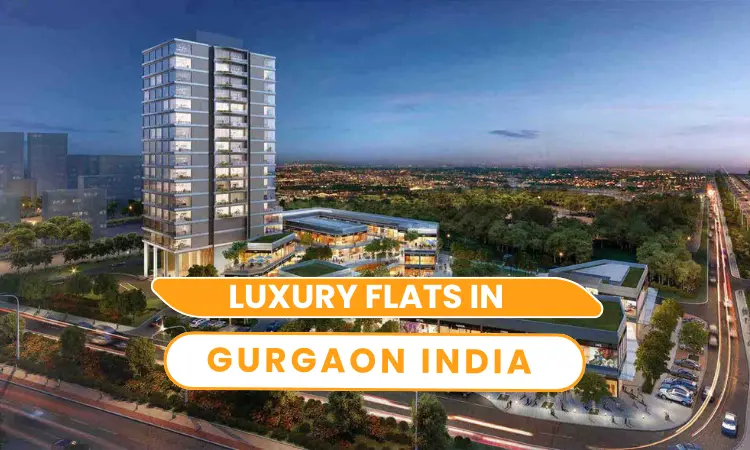
While affordable housing remains a priority, the demand for luxury and ultra-luxury properties has surged, particularly in metropolitan areas like Gurugram. High-net-worth individuals are increasingly investing in premium residences that offer world-class amenities, integrated smart home technology, and exclusive services. This trend is evident in projects by major developers focusing on aspirational living. Dive deeper into this trend with our article on the rise of ultra-luxury living in Gurgaon.
Sustainability and Green Buildings
Environmental consciousness is driving the demand for sustainable and green buildings. Developers are incorporating eco-friendly materials, energy-efficient designs, rainwater harvesting, and waste management systems, appealing to a growing segment of environmentally aware buyers.
Emergence of Tier 2 and Tier 3 Cities
While metros continue to grow, Tier 2 and Tier 3 cities are emerging as new investment hotspots. Improved connectivity, developing infrastructure, and lower property prices are attracting both homebuyers and investors, leading to decentralized growth.
Robust Investment Outlook
Despite global economic uncertainties, India's robust economic growth and demographic dividend continue to make its real estate market attractive. Institutional investments, REITs, and private equity funds are increasingly active. The residential segment, particularly, has shown remarkable resilience and growth, driven by genuine end-user demand. For a comprehensive look at what's shaping the investment landscape, read about real estate investment in India and what's changing in 2026.
Challenges and Opportunities
The sector is not without its challenges, including rising construction costs, land acquisition hurdles, and the need for continued regulatory vigilance. However, the opportunities far outweigh them. India's young population, increasing urbanization rates (projected to reach 40% by 2030), and strong economic fundamentals will continue to drive demand across all segments.
The government's continued focus on 'Housing for All,' smart city initiatives, and infrastructure development will provide further impetus. Technology, from AI in property management to advanced construction techniques, will play an even greater role in shaping the future of real estate.
Conclusion
The journey of Indian real estate over the last three decades is a compelling narrative of growth, resilience, and transformation. From a largely informal market to a globally recognized, regulated industry, it has mirrored the nation's aspirations and economic might. As India marches towards becoming a developed economy, its real estate sector is poised for continued innovation and expansion, offering diverse opportunities for homebuyers, investors, and developers alike. The skyline of India will undoubtedly continue to evolve, reflecting the nation's progress for decades to come.