


India's Luxury Real Estate Market: A Glimpse into Unprecedented Growth
India's real estate sector is witnessing a transformative period, with the luxury housing segment emerging as a standout performer. Recent reports indicate a phenomenal 20% rise in sales for the country's “Big Five” listed developers, underscoring a robust demand for high-end properties across major metropolitan cities. This surge isn't just a fleeting trend; it reflects deeper economic shifts and evolving preferences among affluent homebuyers and investors.
The luxury housing market, once considered a niche, has now become a significant growth driver for the entire real estate industry. Developers are strategically expanding their portfolios to cater to this discerning clientele, offering opulent residences equipped with world-class amenities, state-of-the-art technology, and prime locations.
The Economic Engines Fueling the Luxury Boom
Several macroeconomic factors are converging to create this fertile ground for luxury real estate in India:
- Strong Economic Growth: India's consistent GDP growth, even amidst global uncertainties, has led to increased wealth creation among High Net-worth Individuals (HNIs) and Ultra High Net-worth Individuals (UHNIs). This growing pool of affluent buyers possesses substantial purchasing power, directly translating into demand for luxury homes.
- Rising Disposable Incomes: As India's economy expands, so do the disposable incomes of its urban population. Aspirational buyers are increasingly looking to upgrade their lifestyles, and a luxury home is often seen as a definitive symbol of success and comfort.
- Investment Haven: Real estate in India, particularly the luxury segment, is perceived as a stable and rewarding investment avenue. In an era of volatile financial markets, tangible assets like luxury properties offer a sense of security and significant appreciation potential. Many investors view these properties not just as homes but as valuable assets that hedge against inflation and yield attractive returns. For more insights on this, you might find our article on real estate investment in India insightful.
- Improved Infrastructure: Government initiatives focusing on large-scale infrastructure development, including new expressways, airports, and urban amenities, have significantly enhanced connectivity and livability in key regions, making luxury properties in these areas more attractive.
Who Are the "Big Five" Driving This Growth?
While the market includes many players, the “Big Five” listed developers generally refer to prominent names such as DLF Ltd., Godrej Properties Ltd., Macrotech Developers (Lodha), Prestige Estates Projects Ltd., and Sobha Ltd. These developers have robust financial backing, extensive land banks, and a proven track record of delivering high-quality projects. Their sales figures are often a bellwether for the broader luxury market.
Their success can be attributed to several factors:
- Brand Trust: Established names command significant trust among buyers, especially in the luxury segment where quality and timely delivery are paramount.
- Strategic Locations: These developers often secure prime land parcels in sought-after locations, ensuring both exclusivity and future appreciation.
- Premium Offerings: They are at the forefront of introducing innovative designs, sustainable features, smart home technologies, and unparalleled amenities that redefine luxury living.
Key Trends Defining India's Luxury Housing Market
1. Focus on Experiential Living
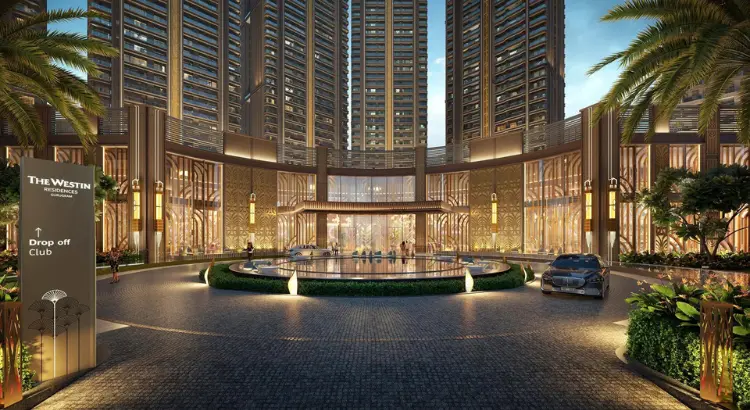
Today's luxury buyers seek more than just a house; they desire an experience. Developers are responding by creating integrated townships and communities that offer a holistic lifestyle. This includes access to private golf courses, concierge services, temperature-controlled swimming pools, state-of-the-art fitness centers, spas, gourmet dining options, and expansive green spaces. The emphasis is on exclusivity, privacy, and convenience.
2. Surge in Demand for Larger Homes & Villas
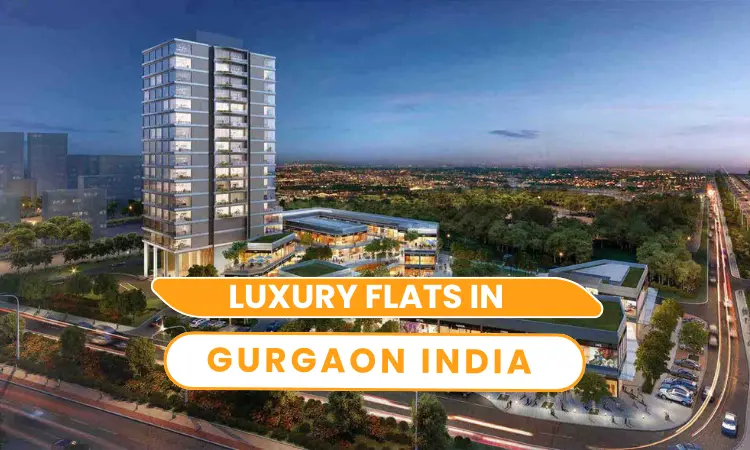
The post-pandemic era has accentuated the need for more space, both indoors and outdoors. Luxury buyers are gravitating towards larger apartments, penthouses, and independent villas that offer dedicated home office spaces, entertainment zones, and private gardens. This trend is particularly evident in cities like Gurugram, where properties like ultraluxury living in Gurugram are redefining urban opulence.
3. Technology Integration
Smart home features are no longer just a novelty; they are an expectation in the luxury segment. Buyers expect automated lighting, climate control, advanced security systems, and integrated entertainment systems that can be controlled remotely. Sustainable and energy-efficient building practices are also gaining traction, aligning with global environmental consciousness.
4. Rise of Niche Markets
While metros like Mumbai, Delhi-NCR (especially Gurugram), and Bengaluru remain strongholds, tier-2 cities with burgeoning economies are also seeing increased luxury demand. Furthermore, specialized offerings such as branded residences (partnerships with luxury hospitality brands) and wellness-focused homes are finding a dedicated clientele.
Impact on the Broader Real Estate Landscape
The robust performance of the luxury segment has a positive ripple effect on the entire real estate market. It instills confidence among investors and developers, encouraging further investment in the sector. The success of high-end projects also creates demand for ancillary services and boosts local economies.
However, it also highlights a growing disparity. While luxury sales soar, affordability remains a challenge for a significant portion of the population. This necessitates a balanced approach from policymakers and developers to cater to diverse housing needs.
Challenges and Future Outlook
Despite the optimistic outlook, challenges persist. Ensuring regulatory compliance, managing construction costs, and maintaining buyer trust are crucial. The article on the biggest lie told about luxury real estate in Gurugram offers a critical perspective that all buyers should consider.
Looking ahead, the luxury housing market in India is expected to maintain its upward trajectory. The increasing number of HNIs, coupled with a preference for sophisticated living, will continue to fuel demand. Developers who can innovate, adapt to changing buyer preferences, and deliver exceptional quality will undoubtedly thrive in this dynamic environment.
Conclusion
The 20% sales rise for India's big five listed developers in the luxury housing segment is a clear indicator of the sector's strength and potential. Driven by strong economic fundamentals, evolving lifestyle aspirations, and strategic offerings from top developers, luxury real estate is set to remain a vibrant and critical component of India's property market. As urban landscapes continue to transform, the demand for exclusive, experience-rich homes will only grow, promising a bright future for this high-value segment.