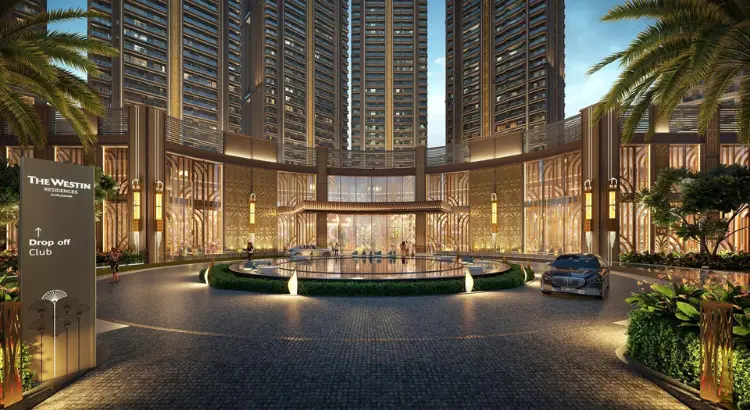



Indian Realty Shifts to Institutional Model, Emerging Segments Fuel Growth
Indian Realty's Institutional Evolution: Emerging Segments Driving Unprecedented Growth
The Indian real estate sector is undergoing a profound transformation, moving decisively from a largely unorganized, family-funded domain to a sophisticated, institutionalized asset class. This pivotal shift is attracting substantial domestic and global capital, fostering greater transparency, and fueling the rapid expansion of previously niche segments. For investors, developers, and end-users alike, understanding this evolution is key to navigating India's dynamic property landscape.
The Institutionalization of India's Real Estate Landscape
Historically, the Indian real estate market was characterized by a fragmented structure, often reliant on traditional funding mechanisms. However, a confluence of regulatory reforms, economic growth, and a rising appetite for structured investments has propelled it towards an institutional model. This means a greater presence of organized players, large-scale funds, and enhanced transparency.
Key Drivers of Institutionalization:
- Regulatory Reforms: The implementation of the Real Estate (Regulation and Development) Act, 2016 (RERA), has been a game-changer. RERA brought much-needed structure, accountability, and transparency to the sector, building trust among homebuyers and investors. It mandates financial discipline through project registration and escrow accounts, ensuring funds are used for their intended projects and reducing delays.
- Increased Capital Inflows: Private equity funds, family offices, and publicly listed vehicles like Real Estate Investment Trusts (REITs) and Small and Medium REITs (SM REITs) are channeling significant capital into the sector. In Q3 2026, institutional investors accounted for nearly 79% of overall inflows, indicating a strong preference for organized and transparent avenues. Domestic institutional capital, in particular, has shown a consistent upward trend.
- Growing Demand for Transparency: The formalization brought about by measures like RERA and GST rationalization has made the market more appealing to discerning investors and homebuyers who prioritize clear processes and reliable project delivery.
- Economic Growth & Urbanization: India's robust economic trajectory and rapid urbanization are creating an immense demand for diverse real estate assets, from housing and offices to logistics and data centers. By 2047, nearly half of India's population is expected to reside in urban areas, profoundly reshaping demand patterns.
Shift from Traditional to Institutional Real Estate
The transformation is clearly visible when comparing the characteristics of traditional, often unorganized, real estate development with the emerging institutional model:
| Feature | Traditional Real Estate Model | Institutional Real Estate Model |
|---|---|---|
| Funding Source | Primarily individual developers, family funds, informal lenders. | Private equity, global funds, REITs, domestic institutional capital. |
| Transparency & Governance | Often opaque, limited disclosures, less accountability. | High transparency, regulatory compliance (RERA), strong corporate governance. |
| Focus | Volume-driven, localized operations. | Quality, timely delivery, professionalism, pan-India presence for larger players. |
| Risk Profile | Higher risk of delays, defaults, and legal disputes for buyers/investors. | Reduced risk due to structured processes, financial backing, and regulatory oversight. |
| Investor Access | Limited to direct property purchases, often requiring high capital. | Broader access through REITs, fractional ownership, structured funds. |
Emerging Segments Driving Growth
While residential and traditional commercial (office) spaces remain vital, India's real estate growth is increasingly propelled by specialized, emerging segments that cater to the evolving needs of its economy and population. These asset classes offer compelling opportunities for institutional investors due to their strong demand fundamentals and potential for stable, long-term returns.
1. Warehousing and Logistics
The warehousing and logistics sector has emerged as one of the most dynamic and exciting commercial real estate stories in India. This boom is fundamentally driven by:
- E-commerce and Quick-Commerce: The explosive growth of online retail necessitates vast networks of warehouses, distribution centers, and last-mile dark stores.
- Supply Chain Modernization: Initiatives like the Goods and Services Tax (GST) have led to the consolidation of fragmented supply chains, requiring larger, more efficient, and strategically located logistics hubs.
- "China Plus One" Strategy: Global manufacturers are diversifying their supply chains, positioning India as a key manufacturing and export hub, which in turn boosts demand for industrial and warehousing spaces.
- Government Initiatives: The National Logistics Policy and dedicated freight corridors are significantly improving connectivity and efficiency, making logistics real estate more viable.
The industrial and warehousing sector now constitutes 9% of all institutional real estate investment portfolios. In 2025, a record 72.5 million square feet of warehousing space was absorbed, with Grade-A stock projected to reach 500 million square feet by 2030. This segment offers attractive rental yields, typically ranging from 8-14% annually.
2. Data Centers
India's rapid digitalization, coupled with the proliferation of cloud computing, artificial intelligence (AI), and big data, has made data centers a significant growth segment in real estate.
- Surging Investment: Data centers have become a key destination for private equity investors, attracting a substantial portion of real estate investments (e.g., 57% of total investment in Q3 2026). Over USD 300 billion in investment commitments are expected to fuel the next phase of expansion.
- Capacity Expansion: The country's data center footprint is projected to exceed 101 million square feet by 2030, a sharp increase from 27 million square feet in H1 2026.
- Strategic Locations: Major metropolitan areas like Mumbai-MMR, Chennai, Bengaluru, Delhi-NCR, and Hyderabad are emerging as critical data center hubs, driven by land availability, power infrastructure, and connectivity.
Despite the immense potential, challenges related to land acquisition and reliable power supply remain key considerations for data center development.
3. Managed Office Spaces/Co-working
The traditional office landscape has been reshaped by the demand for flexibility, agility, and cost optimization, leading to the rise of managed office spaces and co-working facilities.
- Flexible Work Models: Businesses, including large enterprises and Global Capability Centres (GCCs), are increasingly adopting "core-plus-flex" strategies and hybrid work models, reducing their reliance on long-term traditional leases.
- Cost Efficiency: Co-working spaces offer cost-efficient, technology-enabled solutions, appealing particularly to startups, SMEs, and even larger corporations looking to optimize operational expenses.
- Market Growth: India's flexible workspace capacity is expected to expand significantly, projected to reach 140-145 million square feet by FY27. The market size, estimated at USD 4.53 billion in 2026, is forecast to reach USD 8.7 billion by 2031.
These spaces offer more than just desks; they provide community, networking opportunities, and a hassle-free work environment, aligning with the evolving preferences of the modern workforce.
4. Student Housing and Co-living
The increasing migration of students and young professionals to urban centers for education and employment has created a substantial demand for professionally managed, affordable, and community-oriented housing solutions.
- Unmet Demand: India faces a significant gap in student accommodation, with an estimated unmet demand of approximately 8 million beds nationally.
- Organized Growth: The organized co-living market, though nascent, is projected to grow from around 0.3 million beds currently to nearly 1 million beds by 2030, driven by this existing and growing demand.
- Evolving Preferences: Millennials and Gen Z increasingly prefer co-living spaces over traditional rentals due to their convenience, amenities (Wi-Fi, housekeeping, security), community focus, and flexible leases.
Cities like Pune, with their strong student inflow and job markets, are at the forefront of this co-living boom. While still in its early stages, this segment is attracting investment due to its structural undersupply and confirmed demand.
Impact on Traditional Real Estate Segments
The institutional shift and the rise of emerging segments are not sidelining traditional residential and commercial office markets. Instead, they are pushing these segments towards higher standards of professionalism, quality, and buyer-centric development.
- Focus on Quality: Developers are increasingly prioritizing execution quality, sustainable practices, and operational reliability over mere volume. This is evident in the growing share of premium housing sales and the demand for Grade A office spaces.
- REITs for Accessibility: REITs, primarily focused on income-generating assets like commercial office spaces, have democratized investment in Grade A commercial properties, making them accessible to retail investors. India currently has five listed REITs, reflecting the increasing maturity of this investment vehicle.
- Increased Investor Confidence: The overall formalization and transparency have bolstered investor confidence across all segments, leading to consistent capital deployment.
The Path Forward for Indian Real Estate
India's real estate sector is poised for remarkable growth, with projections indicating a market size of USD 1 trillion by 2030 and potentially USD 5.8 trillion by 2047. This expansion is driven by robust urbanization, infrastructure development, digitalization, and investment diversification. For property seekers, investors, and developers in high-growth corridors like Gurugram and Delhi-NCR, this institutional pivot presents a landscape of unprecedented opportunity. Realty Applications, with its deep understanding of these market dynamics, is well-positioned to guide stakeholders through this transformative period, offering expert advisory and access to exclusive projects that align with the future of Indian real estate. Whether you are looking for investment opportunities in luxury residential properties, commercial spaces, or emerging asset classes, our platform provides the research-driven insights and consultation services to make informed decisions. We invite you to explore the latest projects and market trends on the Realty Applications Projects page and connect with our experts for personalized advisory services.