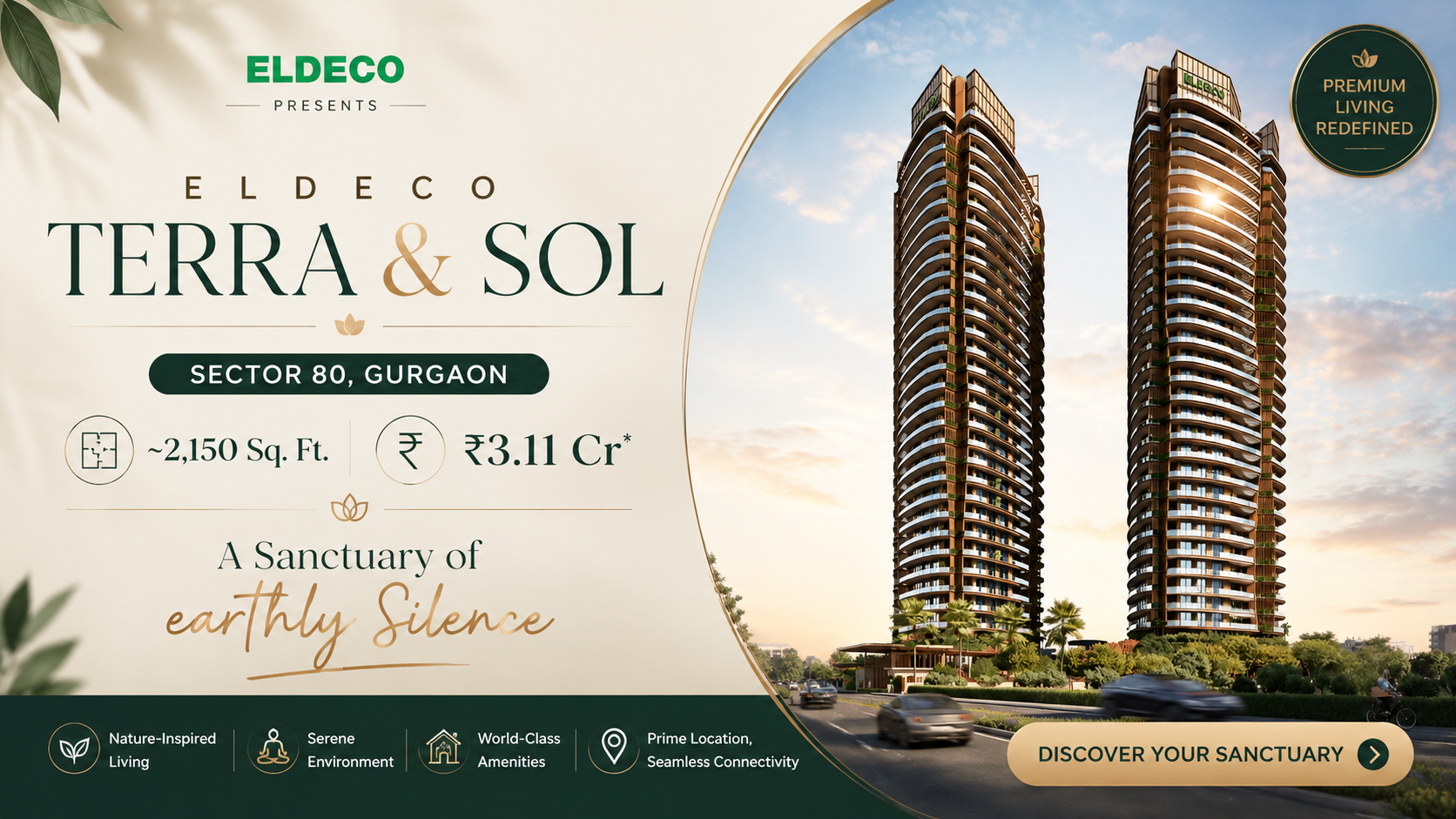



The Aesthetic Revolution: How Decorative Construction Materials are Reshaping India's Real Estate Sector
The landscape of Indian real estate is undergoing a profound transformation, moving beyond mere functional structures to embrace spaces that blend aesthetic appeal with practical utility. At Realty Applications, a leading Real Estate Consultant based in Gurugram, we have systematically analyzed this pivotal shift, observing a burgeoning demand for decorative construction materials that enhance both the visual grandeur and intrinsic value of properties. This evolution is not merely a trend; it represents a fundamental change in buyer expectations, project development strategies, and the very definition of modern living and working spaces in India.
For decades, the focus in India's construction sector was primarily on durability and cost-effectiveness. While these remain critical considerations, the discerning Indian consumer, empowered by rising disposable incomes and global design exposure, now seeks homes and commercial properties that offer unique character, superior finish, and a reflection of contemporary lifestyle. This pursuit of enhanced aesthetics and bespoke design has propelled the growth of decorative construction materials from niche offerings to mainstream essentials across the residential and commercial real estate segments.
The Evolving Landscape of Indian Real Estate and Design
India's real estate sector is dynamic, influenced by rapid urbanization, infrastructure development, and a growing middle class. We have witnessed a significant shift from utilitarian design principles to an emphasis on luxurious, sustainable, and technologically integrated spaces. This evolution directly fuels the demand for innovative decorative materials.
Shifting Consumer Preferences and Aspirations
Today’s property buyers are well-informed, digitally connected, and aspire to lifestyles that mirror global standards. They are no longer content with standard finishes; instead, they demand materials that offer superior aesthetics, durability, and often, sustainability. This heightened aspiration applies to everything from flooring and wall finishes to façade elements and interior fixtures. Homebuyers, especially in metropolitan areas like Gurugram, are actively seeking properties that offer personalized design choices and a distinctive ambiance. They view their homes as an extension of their personality and a statement of their aspirations, driving developers to incorporate high-end decorative elements to meet these evolving desires.
The Impact of Urbanization and Disposable Income
Rapid urbanization has led to the development of aspirational urban centers, creating a competitive market for real estate developers. As more people migrate to cities, the demand for well-designed living and working spaces intensifies. Concurrently, a steady increase in disposable income across various demographics allows consumers to invest more in premium features and aesthetically pleasing environments. This financial capacity directly translates into a greater willingness to pay for properties adorned with sophisticated decorative materials, transforming once-basic apartments into designer homes and functional offices into vibrant workspaces. This economic shift is a fundamental driver behind the surge in demand for materials that offer both visual appeal and long-term value.
Drivers of Growth for Decorative Construction Materials
The expansion of the decorative construction materials market in India is underpinned by several key factors, each contributing significantly to its upward trajectory. We have identified these drivers through extensive market research and engagement with both developers and end-users.
Aesthetic Appeal and Property Value Enhancement
The primary driver for the adoption of decorative materials is their ability to elevate the aesthetic appeal of a property. From designer tiles and engineered wood flooring to textured paints and artistic wall panels, these materials significantly enhance the visual charm and perceived luxury of a space. Beyond mere beauty, a well-chosen palette of decorative materials directly contributes to increased property valuation. In a competitive market, properties with superior finishes and unique design elements command higher prices and attract a wider pool of buyers or tenants. Developers are increasingly recognizing that investing in high-quality decorative materials is not an expense but a strategic investment that yields substantial returns.
Technological Advancements in Material Science
Innovation in material science has brought forth a new generation of decorative materials that are not only visually appealing but also offer enhanced performance characteristics. Advances in manufacturing processes have led to the creation of durable, low-maintenance, and eco-friendly options. For instance, digital printing technologies allow for highly intricate designs on tiles and laminates, replicating natural textures with uncanny realism. Similarly, composite materials offer superior strength and flexibility, opening up new architectural possibilities. These technological leaps ensure that modern decorative materials surpass their traditional counterparts in both form and function, providing solutions that are both beautiful and practical for various construction projects.
Sustainability and Green Building Mandates
The growing global consciousness towards environmental protection has significantly influenced the construction sector. In India, there is a strong push towards sustainable building practices, driven by government initiatives and increasing awareness among developers and consumers. This trend has spurred demand for decorative materials that are environmentally friendly, such as recycled content tiles, low-VOC (Volatile Organic Compound) paints, bamboo flooring, and responsibly sourced natural stone. Green building certifications, like those from the Indian Green Building Council (IGBC), often mandate the use of sustainable materials, thereby accelerating their adoption. Developers are leveraging these materials not only for their environmental benefits but also as a marketing differentiator, attracting eco-conscious buyers.
Rise of Smart Homes and Integrated Design
The integration of technology into residential and commercial spaces, particularly the rise of smart homes, is another significant driver. Decorative materials are now being designed to seamlessly accommodate smart home technologies, from embedded lighting systems to integrated audio solutions. This requires materials that can offer both aesthetic appeal and functional compatibility with advanced electronics. For example, flush-mounted electrical outlets that blend with wall finishes, or modular panel systems that conceal wiring, are becoming increasingly popular. The synergy between decorative design and smart technology creates highly functional yet aesthetically pleasing environments that cater to the demands of modern living.
Key Categories of Decorative Materials Driving Market Expansion
The breadth of decorative construction materials available today is vast, each category contributing uniquely to the overall aesthetic and functional enhancement of real estate projects. We have observed distinct growth patterns in several key segments.
Advanced Flooring Solutions
Flooring is often the first visual element noticed in any space, and its decorative potential has exploded. Beyond traditional vitrified tiles, we see immense popularity in engineered wood flooring, which offers the warmth and elegance of natural wood with superior durability and moisture resistance. Large format tiles, mimicking marble, granite, or even concrete, are preferred for their seamless appearance and luxurious feel, particularly in high-end residential properties and grand commercial spaces. Polished concrete and epoxy flooring are gaining traction in industrial-chic designs and retail environments due to their minimalist aesthetic and robust performance. Furthermore, carpets and rugs, particularly modular carpet tiles, are seeing renewed interest for their acoustic properties and design flexibility in corporate offices and hospitality sectors.
Innovative Wall Finishes
Walls are no longer just structural divisions; they are canvases for artistic expression. Textured paints offer depth and character, with an array of finishes from suede to metallic. Wallpapers have made a grand comeback, available in intricate patterns, murals, and even 3D designs, allowing for personalized themes. Natural stone cladding, like slate, sandstone, and marble, is used extensively for accent walls, both indoors and outdoors, imparting an earthy elegance. Decorative panels made from MDF, HPL (High-Pressure Laminate), or even reclaimed wood provide quick, impactful transformations, offering varied textures and contemporary designs. These materials allow for creative expression, transforming mundane walls into focal points.
Bespoke Countertops and Surfaces
Kitchens and bathrooms are central to modern design, and countertops play a pivotal role. While natural granite and marble remain popular, engineered quartz surfaces have seen exponential growth due to their non-porous nature, durability, wide range of colors, and consistent patterns. Solid surfaces like Corian offer seamless integration, customizability, and hygienic properties, making them ideal for both residential and commercial applications, including healthcare. Advanced ceramic and porcelain slabs are also emerging as preferred choices for their large formats and resistance to heat and scratches, providing luxurious and practical solutions.
Decorative Lighting and Fixtures
Lighting is an integral part of interior design, moving beyond functionality to become a decorative element. Integrated LED lighting, cove lighting, and smart lighting systems that allow for color and intensity changes are becoming standard in modern homes and offices. Decorative fixtures, from statement chandeliers to minimalistic pendant lights and wall sconces, contribute significantly to the ambiance. Materials like brass, copper, blown glass, and even artisanal fabrics are used to craft unique fixtures that serve as focal points and artistic installations, enhancing the overall appeal of a space.
Façade Materials and Architectural Elements
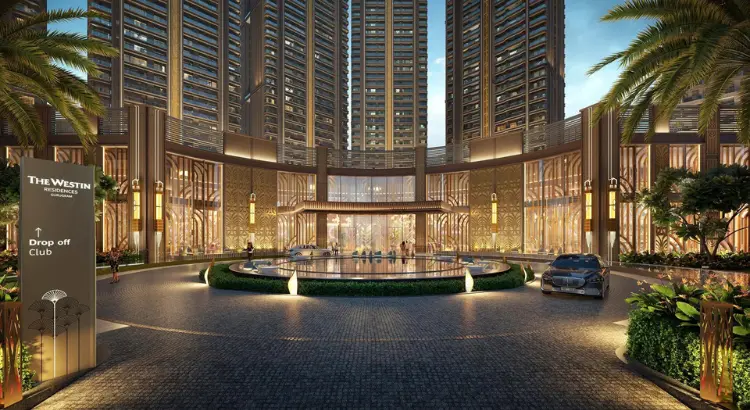
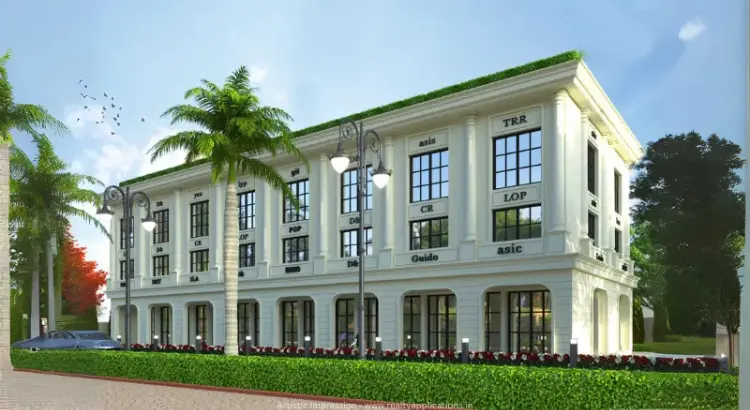
The exterior of a building creates the first impression, and decorative façade materials are crucial for curb appeal. Aluminum Composite Panels (ACP) and High-Pressure Laminate (HPL) sheets offer sleek, modern aesthetics, durability, and a vast array of colors and finishes for commercial buildings and contemporary residential complexes. Terracotta panels provide an earthy, traditional yet sophisticated look, increasingly used for their sustainability and thermal insulation properties. Decorative grilles, railings, and structural elements crafted from metal, wood, or even composites add intricate details and architectural character, differentiating one property from another in a competitive market like Gurugram.
Challenges and Opportunities in the Decorative Materials Market
While the growth trajectory for decorative construction materials is robust, the sector faces its own set of challenges that developers, suppliers, and consultants like us at Realty Applications must navigate. Concurrently, these challenges often present unique opportunities for innovation and market differentiation.
Supply Chain Complexities and Material Sourcing
The decorative materials market relies heavily on a complex supply chain, often involving imports for specialized products or raw materials. This exposes it to global economic fluctuations, geopolitical events, and logistical challenges. Sourcing high-quality, authentic materials, especially those with specific aesthetic or performance characteristics, can be intricate and time-consuming. Additionally, ensuring consistency in quality and timely delivery across diverse product ranges requires sophisticated supply chain management. This complexity presents an opportunity for local manufacturers to innovate and develop indigenous alternatives that meet international standards, reducing reliance on imports and fostering local industry growth.
Skill Gap in Application and Installation
Many advanced decorative materials, especially those requiring bespoke designs or intricate patterns, demand specialized skills for their application and installation. The traditional construction workforce often lacks the expertise for these modern techniques, leading to potential quality compromises, wastage, or delayed project timelines. This skill gap is a significant bottleneck. However, it also opens up an opportunity for vocational training programs, specialized certification courses, and the development of expert installation teams. Investing in upskilling the workforce ensures that the full potential of these materials is realized, maintaining the desired aesthetic and structural integrity of the property development.
Opportunities in Customization and Niche Markets
The demand for personalized spaces is a growing trend. This creates immense opportunities for manufacturers and designers to offer customized decorative solutions. From bespoke wall art and tailored flooring patterns to unique surface finishes, customization allows properties to stand out. Niche markets, such as materials for historical restoration, eco-friendly luxury homes, or health and wellness-focused interiors, are also emerging. These segments, though smaller, command premium pricing and allow for greater design innovation. Developers who partner with suppliers offering a high degree of customization can cater to a more exclusive clientele, enhancing their brand reputation and market reach.
Comparative Analysis: Traditional vs. Modern Decorative Materials
Understanding the distinction between traditional and modern decorative materials is crucial for informed decision-making in real estate development. We have compiled a comparative overview to highlight their key differences across various parameters.
| Feature | Traditional Decorative Materials | Modern Decorative Materials |
|---|---|---|
| Examples | Basic ceramic tiles, lime wash, natural wood (solid), raw stone, basic paint | Engineered wood, large format porcelain/ceramic tiles, quartz, solid surfaces, textured paints, wallpapers, ACP, HPL, smart glass |
| Aesthetics | Classic, often rustic, limited design variety, natural variations | Sleek, contemporary, vast design range, consistent patterns, ability to mimic natural materials perfectly |
| Durability | Good, but often susceptible to wear, moisture, or specific damage (e.g., solid wood warping) | Excellent, engineered for resistance to scratches, stains, moisture, UV, and heavy traffic |
| Maintenance | Often requires significant maintenance (e.g., wood polishing, regular cleaning of porous stone) | Generally low maintenance, easy to clean, often non-porous and stain-resistant |
| Cost (Initial) | Typically lower for basic options, but high for rare natural materials | Often higher initial investment, but increasingly competitive due to scale and innovation |
| Installation | Can be labor-intensive, requires traditional skills | May require specialized skills and tools, but often faster due to modularity |
| Sustainability | Depends on sourcing; can be sustainable if locally sourced, but sometimes unsustainable harvesting | High potential for sustainability (recycled content, low VOC, energy-efficient manufacturing), but also energy-intensive production for some composites |
| Technological Integration | Minimal or none | Designed for seamless integration with smart home systems, lighting, and HVAC |
The Future Outlook: Trends Shaping India's Decorative Materials Sector
Looking ahead, we anticipate several compelling trends that will continue to shape and redefine the decorative construction materials market in India. These future directions reflect a deeper understanding of human-centric design, environmental responsibility, and technological integration.
Integration of AI and Personalization in Design
Artificial Intelligence (AI) is poised to revolutionize how decorative materials are selected and applied. AI-powered design tools will enable architects and interior designers to visualize material combinations, simulate lighting conditions, and even generate personalized design palettes based on client preferences and historical data. This will lead to unprecedented levels of customization and efficiency. Furthermore, virtual and augmented reality (VR/AR) tools will allow clients to experience their designed spaces with various material finishes before any physical construction begins, fostering informed decisions and mitigating design risks. This technological leap will ensure that every real estate project can offer truly bespoke and engaging environments.
Circular Economy Principles and Recycled Content
The emphasis on a circular economy, where materials are reused, recycled, and repurposed, will profoundly impact the decorative materials sector. We expect a surge in demand for materials made from recycled content – from recycled glass tiles and plastic lumber to upcycled wood panels. Manufacturers will increasingly adopt processes that minimize waste, utilize renewable energy, and design products for eventual end-of-life recycling. This shift will not only reduce the environmental footprint of construction but also create a new category of innovative, aesthetically pleasing materials that champion sustainability. Government incentives and evolving regulations are likely to accelerate this transition.
Growing Demand for Health and Wellness-Oriented Materials
Post-pandemic, there is an intensified focus on creating healthy indoor environments. This translates into a growing demand for decorative materials that contribute to well-being. This includes materials with antimicrobial properties, those that improve indoor air quality by being low-VOC or formaldehyde-free, and those that offer superior acoustic performance. Biophilic design, which incorporates natural elements and patterns to enhance human connection with nature, will also drive the adoption of materials like natural stone, wood, and plant-based finishes. This trend highlights a fundamental shift towards holistic design, where aesthetics merge with health and comfort.
Regional Diversification and Local Craft Integration
While global trends influence the Indian market, there is also a growing appreciation for regional aesthetics and local craftsmanship. We foresee a trend where developers will integrate traditional Indian decorative arts and materials – such as intricate terracotta work, indigenous stone carvings, hand-painted murals, or locally sourced fabrics – into contemporary designs. This fusion not only offers a unique cultural identity to properties but also supports local artisans and sustainable practices. It allows for a distinctive sense of place, creating homes and commercial spaces that are globally sophisticated yet distinctly Indian, particularly appealing in heritage-rich regions and those seeking authentic design narratives.
Conclusion
The journey of decorative construction materials in India’s real estate sector is a testament to the nation’s evolving aspirations and a dynamic marketplace. From enhancing property values to championing sustainability and integrating smart technologies, these materials are no longer mere embellishments but fundamental components of modern design and construction. As Real Estate Consultants, we at Realty Applications are at the forefront of observing and guiding this transformation, advising our clients in Gurugram and beyond on how to leverage these innovations for optimal project success and buyer satisfaction.
The future promises even greater innovation, with AI-driven personalization, circular economy principles, and a strong emphasis on health and wellness continuing to shape material choices. By embracing these advancements and navigating the inherent challenges with strategic foresight, the Indian real estate sector is poised to deliver spaces that are not only structurally sound but also aesthetically inspiring, environmentally responsible, and truly reflective of a modern, aspirational India. The ongoing aesthetic revolution, powered by decorative construction materials, will undoubtedly continue to redefine benchmarks in property development for years to come.