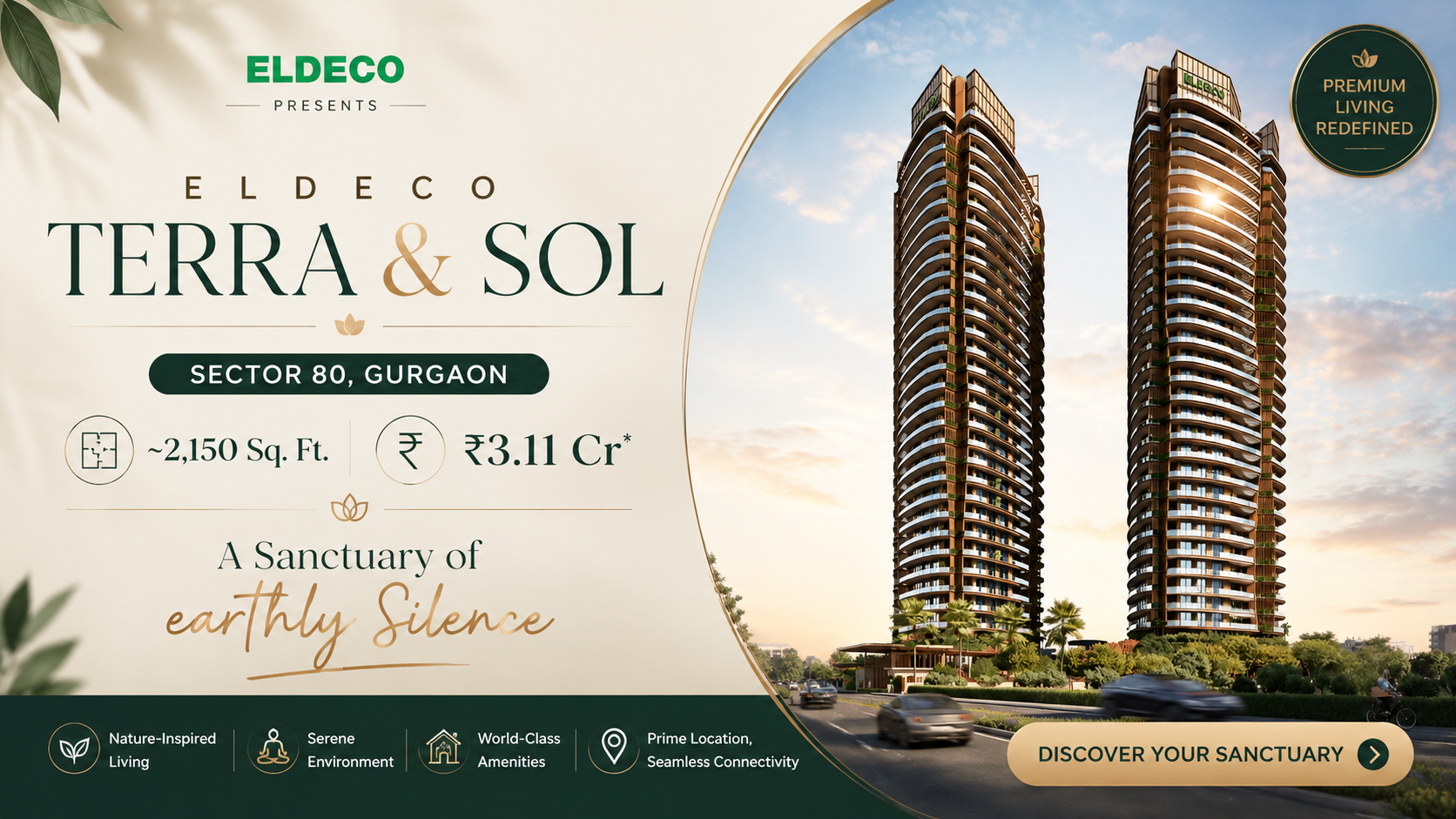



Green Living: Boosting Property Value in Gurugram & India
The global consciousness around sustainability has profoundly impacted every sector, and real estate is no exception. What began as a niche movement has evolved into a fundamental driver of property value, transforming how developers build and how buyers choose their homes and workspaces. In rapidly urbanizing regions like Gurugram and across India, the demand for green living is not merely an environmental preference; it is a strategic investment that yields tangible economic benefits and enhanced quality of life. At Realty Applications, we systematically analyzed market trends and development patterns to understand the burgeoning importance of sustainable real estate in shaping the future of property.
The Paradigm Shift: Understanding Sustainable Real Estate
Sustainable real estate, often referred to as green building, encompasses a design and construction philosophy focused on minimizing environmental impact while maximizing occupant health and resource efficiency. This approach integrates various practices throughout a building's lifecycle, from site selection and design to construction, operation, maintenance, renovation, and deconstruction. Key characteristics include optimized energy performance, water conservation, responsible material sourcing, enhanced indoor environmental quality, and waste reduction.
Beyond environmental stewardship, green buildings offer a compelling value proposition. They are designed to be more durable, require less maintenance, and provide healthier living and working environments. This holistic approach contributes to significant long-term savings, making them attractive investments in a market increasingly sensitive to both ecological footprints and operational expenditures.
The Economic Imperative: How Green Living Enhances Property Value
The notion that sustainable features add significant value to property is no longer debatable. We have observed a clear correlation between green certifications and superior market performance. The economic benefits manifest in several key areas:
- Reduced Operating Costs: Green buildings are inherently designed for efficiency. Features like solar panels, efficient HVAC systems, LED lighting, and rainwater harvesting drastically cut down utility bills for electricity and water, translating into substantial savings for occupants over the lifespan of the property.
- Higher Resale Value and Rental Yields: As environmental awareness grows, so does the demand for eco-friendly properties. Buyers and tenants are increasingly willing to pay a premium for homes and offices that offer lower running costs and a healthier environment. This heightened demand often leads to faster sales cycles and higher rental income for green-certified properties.
- Regulatory Incentives and Compliance: Governments worldwide, including in India, are promoting green building practices through various incentives such as property tax rebates, expedited approvals, and reduced development charges. Moreover, upcoming environmental regulations are likely to make certain green standards mandatory, positioning existing green properties favorably. For instance, understanding the broader regulatory landscape is crucial, as detailed in our guide on RERA Gurgaon: Complete Guide to Real Estate Regulations, which often touches upon quality and sustainable building practices.
- Enhanced Brand Image and Corporate Responsibility: For commercial properties, owning or occupying green buildings aligns with corporate social responsibility goals, enhancing brand image and attracting environmentally conscious talent and clients.
Comparative Analysis: Traditional vs. Green Property Investment
To illustrate the tangible differences, let's consider a comparative overview:
| Feature | Traditional Property | Green Property |
|---|---|---|
| Initial Cost | Generally Lower | Potentially 5-10% Higher (offset by long-term benefits) |
| Operating Costs (Utilities) | Higher (e.g., electricity, water) | Significantly Lower (e.g., solar, rainwater harvesting) |
| Resale Value | Market-driven, less distinct premium | Often commands a premium due to high demand and efficiency |
| Rental Yields | Standard market rates | Potentially higher due to tenant preference for lower utility bills |
| Health & Wellness | Variable (depends on design & materials) | Enhanced (e.g., better indoor air quality, natural light) |
| Environmental Impact | Higher carbon footprint, resource consumption | Reduced carbon footprint, resource conservation |
| Regulatory Compliance | Meets minimum standards | Exceeds standards, benefits from incentives |
Gurugram: A Vanguard for Sustainable Real Estate Growth
Gurugram, often hailed as India's Millennium City, stands at the forefront of the green building movement. Its rapid urbanization, coupled with a large influx of multinational corporations and affluent residents, has created a fertile ground for sustainable development. The city's sophisticated buyer base is increasingly discerning, prioritizing not just luxury but also long-term value, health, and environmental responsibility. This trend is evident across various segments, from premium residential complexes to large-scale commercial developments. Even in the segment of upcoming affordable housing projects in Gurgaon 2026, we are seeing initial steps towards integrating basic green features like efficient lighting and water-saving fixtures.
Developers in Gurugram are responding by integrating a host of green features into their projects. These include advanced waste management systems, extensive landscaping and green spaces, energy-efficient building envelopes, water recycling plants, and smart home technologies that optimize resource consumption. The presence of numerous LEED and IGBC-certified buildings across the city underscores this commitment. This rapid adoption is further fueled by the desire to create a modern, livable urban environment that can mitigate the challenges posed by fast-paced growth, such as pollution and resource scarcity.
India's Green Building Movement: A National Trajectory
Nationally, India is witnessing an impressive surge in green building initiatives. The Indian Green Building Council (IGBC) and the Green Rating for Integrated Habitat Assessment (GRIHA) have been instrumental in providing rating systems and certifications that guide developers towards sustainable construction. India's commitment to climate change mitigation, reflected in its Nationally Determined Contributions (NDCs) under the Paris Agreement, further propels the green building sector.
The government's push for "Smart Cities" also integrates green building principles, focusing on sustainable urban planning, renewable energy adoption, and efficient resource management. As of 2023, India ranks among the top countries globally in terms of green building footprint, with millions of square feet of certified green area. This robust growth trajectory makes green real estate one of the most promising Top Real Estate Investment Trends in India 2026-27. According to the Indian Green Building Council (IGBC), India's green building market is projected to grow significantly, indicating a strong future for sustainable property investments. IGBC provides comprehensive data on certified projects and their environmental benefits.
Challenges remain, including the need for greater awareness, skilled labor, and consistent policy implementation. However, the benefits far outweigh the hurdles, paving the way for a more sustainable and economically vibrant real estate sector across the country.
Implementing Green Features: Practical Considerations
For prospective buyers, identifying genuinely green properties requires diligence. Look for official certifications from recognized bodies like IGBC or GRIHA. Inquire about energy performance certificates, water consumption data, and the source of building materials. Features such as solar water heating, greywater recycling, double-glazed windows, effective insulation, and natural ventilation systems are strong indicators of a property's green credentials.
Developers, on the other hand, should view sustainable design not as an add-on but as an integral part of their project planning from conception. Employing sustainable architects, engaging with environmental consultants, and investing in green technologies upfront can lead to highly marketable and future-proof developments. The lifecycle cost analysis often reveals that initial investments in green features lead to substantial savings and higher returns over time.
A recent study by the UN Environment Programme (UNEP) highlights the critical role of the building sector in achieving global climate goals, further emphasizing the urgency and financial viability of transitioning to green building practices worldwide.
Conclusion
The convergence of environmental consciousness and economic wisdom has firmly established green living as a non-negotiable aspect of modern real estate. In Gurugram and across India, properties that integrate sustainable practices are demonstrating superior value, offering reduced operating costs, higher market demand, and future-proof investments. As a leading real estate consultant in Gurugram, Realty Applications advocates for embracing sustainable development as not just a trend, but the intelligent standard for property investment and living in the 21st century. The trajectory is clear: green is the future, and its value will only continue to appreciate.