


Global Elite's Guide: Top 5 Lucrative International Luxury Real Estate Markets for 2026
The global luxury real estate market is a distinct ecosystem, driven by factors far beyond conventional property metrics. For the ultra-high-net-worth individual (UHNWI) and discerning investor, real estate represents not just a tangible asset, but a strategic component of wealth preservation, diversification, and lifestyle enhancement. As we approach 2026, the landscape continues to evolve, influenced by geopolitical shifts, technological advancements, and a renewed focus on sustainability and well-being. At Realty Applications, we systematically analyze these intricate dynamics to identify opportunities that align with the sophisticated demands of the global elite.
Our research indicates a persistent appetite for prime properties in resilient markets, where economic stability, robust infrastructure, and an exceptional quality of life converge. These investors seek assets that offer capital appreciation, rental yield potential, and often, the promise of a safe haven amidst global uncertainties. We delve into the markets poised to offer the most compelling propositions, ensuring our guidance is rooted in comprehensive data and an understanding of the nuanced aspirations of our clientele.
The Discerning Investor: Redefining Luxury Real Estate
Beyond Bricks and Mortar: The Value Proposition
For the global elite, luxury real estate transcends the mere acquisition of physical space. It embodies a complex blend of lifestyle aspiration, strategic investment, and often, a legacy. These properties are not just homes; they are statements of success, retreats from the ordinary, and integral parts of a global portfolio designed for maximum resilience and growth. Investors prioritize elements such as privacy, security, exclusive amenities, bespoke design, and seamless integration with high-end services. The property's narrative, its unique history or architectural significance, and its potential for future enhancement all contribute to its perceived value.
Moreover, the concept of luxury has expanded to include factors like environmental sustainability, smart home technology, and access to world-class healthcare and education. A property's proximity to private airports, elite golf courses, yacht clubs, or cultural landmarks significantly boosts its appeal. We observe that HNWIs are increasingly seeking properties that offer a blend of urban convenience and serene escape, reflecting a desire for both connectivity and tranquility.
Key Drivers Shaping Elite Investment Decisions
Several macro and microeconomic factors influence the investment decisions of the global elite. Firstly, global wealth creation continues to expand, particularly in emerging economies, leading to a larger pool of potential luxury buyers. Secondly, geopolitical stability and a favorable regulatory environment in target markets are paramount. Investors seek jurisdictions with transparent legal frameworks, strong property rights, and attractive taxation policies. Thirdly, infrastructure development, including transportation networks and digital connectivity, plays a crucial role in enhancing market accessibility and long-term value. Lastly, lifestyle considerations – including cultural vibrancy, access to world-class amenities, and personal safety – are often as influential as financial returns. We have observed a trend where investors often acquire properties not just for personal use, but also as a means to diversify their asset holdings and mitigate risks associated with other investment classes.
Our Methodical Approach to Market Identification for 2026
Identifying the most lucrative international luxury real estate markets for 2026 requires a rigorous and multi-faceted analytical framework. We begin by assessing global economic forecasts, analyzing GDP growth projections, inflation rates, and interest rate outlooks from authoritative bodies like the World Bank. Our next step involves a deep dive into wealth migration patterns and the growth of the UHNWI population, drawing insights from reports such as Knight Frank's latest Wealth Report. This helps us pinpoint regions experiencing an influx of high-net-worth individuals, which naturally fuels demand for luxury properties.
Furthermore, we scrutinize local government policies related to foreign investment, property ownership, and residency programs, as these can significantly impact market attractiveness. Infrastructure projects, urban development plans, and the prevalence of a sophisticated service ecosystem are also critical components of our evaluation. We consider qualitative factors like cultural appeal, safety, and environmental quality, understanding that lifestyle attributes are often as important as financial returns for the global elite. By combining quantitative data with qualitative insights, we systematically filter and rank markets, presenting only those that demonstrate exceptional potential for sustained growth and value appreciation.
Top 5 Lucrative International Luxury Real Estate Markets for 2026
1. Dubai, UAE: The Global Metropolis of Aspiration
Dubai continues to solidify its position as a premier destination for luxury real estate investment. Its strategic geographic location, unparalleled connectivity, and a visionary government committed to economic diversification make it highly attractive. The emirate boasts a robust, tax-friendly regime, offering zero personal income tax and minimal property-related taxes, which significantly enhances investment returns. Infrastructure is world-class, with state-of-the-art airports, a comprehensive metro system, and iconic developments that define modern luxury. We note a consistent influx of HNWIs drawn by the city's cosmopolitan lifestyle, safety, and numerous business opportunities.
The luxury segment in Dubai is characterized by ultra-high-end apartments in skyscrapers like the Burj Khalifa, sprawling villas on Palm Jumeirah and Emirates Hills, and exclusive branded residences. These properties often feature private beaches, infinity pools, smart home technology, and personalized concierge services. Demand is further buoyed by mega-events and exhibitions, solidifying Dubai's global standing. The government's proactive approach to attracting talent and investment, coupled with its commitment to innovation, suggests sustained growth for its prime property market towards and beyond 2026. Rental yields remain competitive for high-demand areas, offering both capital appreciation and income generation.
2. Miami, USA: Gateway to the Americas and Beyond
Miami's luxury real estate market is experiencing a remarkable resurgence, positioning it as a top choice for global elite investors. Often dubbed the "Wall Street of the South," Miami has become a magnet for finance and tech firms relocating from traditional hubs, driving an influx of high-income professionals and entrepreneurs. This economic diversification, combined with its favorable tax environment (no state income tax), has created a robust demand for high-end residential properties. The city's vibrant arts scene, world-renowned beaches, and dynamic nightlife contribute to its unparalleled lifestyle appeal.
The market primarily features ultra-luxury waterfront condominiums in areas like Brickell, South Beach, and Sunny Isles Beach, as well as expansive estates in exclusive enclaves such as Indian Creek and Fisher Island. These properties often come with panoramic ocean views, private marinas, and access to exclusive clubs and services. We observe significant investment from Latin American, European, and domestic HNWIs seeking both a primary residence and a strategic investment. The city's status as a major international gateway further enhances its long-term investment prospects, making it a resilient market even amidst broader economic fluctuations.
3. Singapore: Asia's Epitome of Stability and Prosperity
Singapore stands as an enduring beacon of stability, transparency, and economic prosperity in Asia, making it an attractive safe haven for global wealth. Its meticulous urban planning, political stability, low corruption, and strong rule of law provide an unparalleled sense of security for investors. The city-state's robust financial sector, world-class education system, and multicultural environment attract HNWIs from across the globe, particularly from Asia. The scarcity of land, coupled with stringent development controls, ensures the exclusivity and long-term value appreciation of prime properties.
Luxury real estate in Singapore is characterized by prestigious condominiums in prime districts like Orchard Road, Sentosa Cove, and Marina Bay, as well as exclusive Good Class Bungalows (GCBs) that are extremely rare and highly sought after. These properties offer sophisticated designs, cutting-edge smart home features, and access to premium lifestyle amenities. While property prices are high, the market is underpinned by strong fundamentals and a consistent demand from both local and international investors looking to park their wealth in a globally respected jurisdiction. The government's long-term vision for sustainable growth and its commitment to maintaining Singapore's status as a global financial hub provide a solid foundation for luxury real estate investments through 2026 and beyond.
4. Lisbon, Portugal: Europe's Coastal Charmer with Investment Lure
Lisbon and its surrounding coastal areas, particularly Cascais, have emerged as a compelling luxury real estate market in Europe. Portugal's appeal stems from its favorable tax regimes for non-habitual residents (NHR), a high quality of life, rich cultural heritage, and pleasant climate. Although the Golden Visa program has seen adjustments, the underlying attractiveness of Portugal for residency and investment remains strong. The country offers a gateway to the European Union, making it desirable for international investors seeking mobility and connectivity.
The luxury property market in Lisbon boasts historic renovated apartments with modern amenities, contemporary penthouses offering river views, and opulent villas in areas like Estoril and Cascais. These properties often blend traditional Portuguese architecture with state-of-the-art living. We have observed a steady interest from European, American, and Brazilian investors, drawn by the relatively lower entry points compared to other Western European capitals, coupled with strong capital growth potential. The city's growing tech scene, vibrant startup ecosystem, and expanding tourism sector further contribute to a dynamic investment environment. Continued urban regeneration and infrastructure improvements are enhancing Lisbon's profile as a prime European investment destination.
5. Mauritius: The Indian Ocean's Emerging Luxury Haven
Mauritius, an island nation in the Indian Ocean, is gaining prominence as an exclusive luxury real estate market, particularly for those seeking a tranquil yet economically stable environment. Renowned for its stunning natural beauty, political stability, and robust legal framework, Mauritius offers an attractive proposition for HNWIs. The government has proactively established investor-friendly policies, including various residency-by-investment schemes (e.g., Integrated Resort Scheme, Real Estate Scheme, Property Development Scheme) that allow foreign ownership of freehold property and facilitate residency.
The luxury market predominantly features high-end villas and residences within integrated resorts and exclusive beachfront developments. These properties offer access to world-class golf courses, private beaches, spas, and bespoke concierge services, catering to a clientele seeking privacy and an idyllic lifestyle. Investors from Europe, South Africa, and Asia are drawn to Mauritius for its competitive tax rates (15% corporate and personal income tax), strong economic growth, and the ability to hold assets in a convertible currency. The nation's commitment to sustainable development and its growing reputation as a luxury tourism destination underpin the long-term value and allure of its prime real estate. The World Bank's economic outlook often highlights the resilience of such diversified economies, further cementing Mauritius's appeal.
Comparative Overview of Elite Global Markets
To provide a clearer perspective, we present a comparative table highlighting key attributes across these five lucrative markets, which our clients frequently consider when evaluating global luxury real estate opportunities.
| Market | Key Economic Drivers | Primary Luxury Property Types | Tax Advantages | Lifestyle Appeal | Average Capital Growth (Past 3 Years) |
|---|---|---|---|---|---|
| Dubai, UAE | Trade, Tourism, Finance, Tech | Villas (Palm, Emirates Hills), Sky-High Apartments | Zero Income Tax, Low Property Tax | Cosmopolitan, Innovation, Safety, Extravagance | ~15-25% p.a. |
| Miami, USA | Finance, Tech, Tourism, Trade | Waterfront Condos, Exclusive Estates | No State Income Tax | Vibrant, Coastal, Cultural, Gateway to Americas | ~10-20% p.a. |
| Singapore | Finance, Biotech, Trade, Tech | Prime District Condos, Good Class Bungalows | Low Corporate & Personal Tax | Stable, Green, Multicultural, Safe Haven | ~5-10% p.a. |
| Lisbon, Portugal | Tourism, Tech, EU Access | Historic Apartments, Coastal Villas | NHR Tax Regime | Culture, Climate, Food, European Access | ~7-12% p.a. |
| Mauritius | Tourism, Finance, Ocean Economy | Integrated Resort Villas, Beachfront Properties | 15% Flat Tax, Foreign Ownership Schemes | Tranquil, Natural Beauty, Safety, Luxury Resorts | ~8-15% p.a. |
Note: Average Capital Growth figures are indicative and can vary significantly based on specific property type, location within the market, and economic fluctuations. These represent general trends observed in the prime luxury segments.
Bridging Global Expertise with Local Insight: Realty Applications in Gurugram
While our focus here is on international luxury markets, our deep understanding of global trends is inextricably linked to our expertise in dynamic local markets. At Realty Applications, we apply the same rigorous analytical framework to evaluate property opportunities in our home base of Gurugram, India. The discerning investor, whether domestic or international, often seeks to diversify across both global and promising local markets.
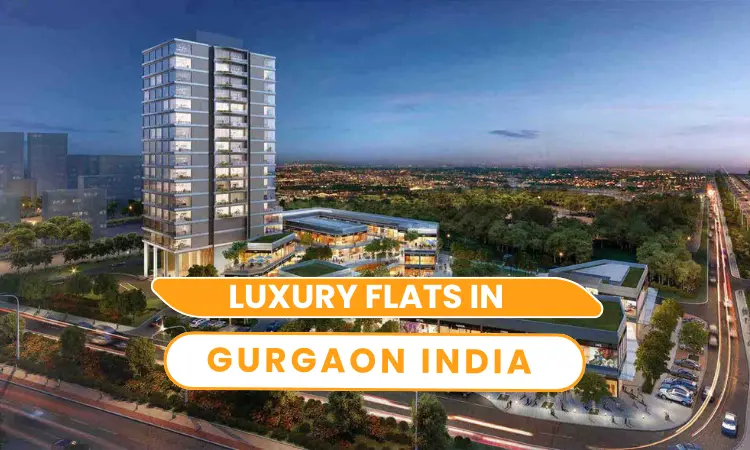
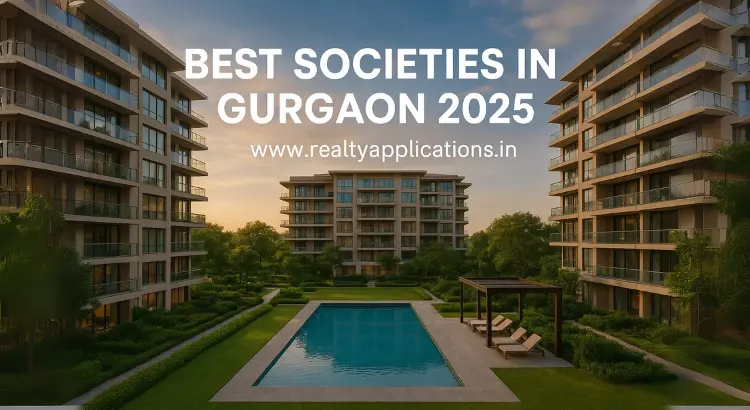
Gurugram, a rapidly evolving metropolis, presents its own unique set of luxury real estate opportunities, driven by its economic prowess, corporate expansion, and a growing affluent demographic. Understanding the interplay between global capital flows and local economic drivers is crucial for making informed investment decisions. For instance, the demand for high-end residential properties in Gurugram’s most coveted neighborhoods reflects similar drivers of lifestyle, exclusivity, and future appreciation that we see in international hubs. We constantly monitor these domestic trends, offering insights into segments ranging from "Best Societies in Gurgaon 2025" to advising on bespoke property solutions. Our comprehensive portfolio, which includes "Exclusive Real Estate Projects | Realty Applications", is curated to meet the sophisticated demands of investors seeking prime assets within this vibrant Indian city.
Strategic Considerations for the Global Elite
Due Diligence and Local Nuances
Investing in international luxury real estate demands meticulous due diligence that goes beyond what is typically required for domestic purchases. Each market possesses its own intricate legal framework, taxation policies, and cultural norms that can significantly impact the investment process and long-term ownership costs. For example, property acquisition laws, inheritance taxes, capital gains taxes, and residency requirements vary widely. Engaging with experienced local legal and financial advisors is not just recommended; it is imperative. We emphasize understanding exit strategies, potential rental income regulations, and property management complexities well in advance of any commitment. The "hidden costs" associated with international property ownership – from maintenance fees to specific local permits – must be thoroughly accounted for in the investment model.
Risk Mitigation and Diversification
For the global elite, luxury real estate is often part of a broader asset diversification strategy. While the allure of high returns is strong, prudent investors prioritize risk mitigation. This involves not only diversifying across different property types (e.g., residential, commercial, hospitality) but also across various geographic locations to avoid overexposure to any single market's economic or political vulnerabilities. Currency risk is another critical factor, as fluctuations in exchange rates can erode returns or increase acquisition costs. Structured financial planning, potentially involving offshore trusts or holding companies, can help optimize tax efficiency and asset protection, ensuring that the investment aligns with the investor's overall wealth management goals. We guide our clients in constructing a resilient global real estate portfolio that weathers market volatilities and aligns with their long-term objectives.
Conclusion: Charting the Course for Future Wealth Creation
The international luxury real estate market for 2026 continues to present compelling opportunities for the discerning global elite. Dubai, Miami, Singapore, Lisbon, and Mauritius stand out due to their robust economic fundamentals, attractive lifestyle propositions, and supportive regulatory environments. However, success in this intricate domain hinges on a blend of astute market analysis, meticulous due diligence, and a clear understanding of personal and financial objectives. As expert consultants, we believe that an informed strategy, coupled with access to localized expertise and a global network, is paramount to navigating these high-stakes investments. By identifying markets poised for growth and understanding the unique motivations of UHNWIs, we empower our clients to make strategic decisions that contribute significantly to their enduring legacy and wealth creation journey.