


The Delhi-Mumbai Expressway: A Game-Changer for Gurugram Real Estate
The Delhi-Mumbai Expressway (DME), a flagship infrastructure project by the Indian government, is much more than a high-speed corridor; it's a catalyst for economic growth and a formidable force reshaping the real estate landscape across its influence zones. While its primary goal is to reduce travel time between Delhi and Mumbai, its impact on Gurugram, particularly its burgeoning peripheral sectors, is profound and multifaceted. For long-term investors and prospective homeowners alike, understanding this dynamic is crucial for making informed decisions.
Gurugram, often referred to as the 'Millennium City,' has always been a real estate magnet. However, with the city's core areas reaching saturation, the focus is shifting towards its peripheries. The DME acts as a powerful magnet, drawing attention and investment to these previously underserved regions, promising a new era of development and property appreciation.
Enhanced Connectivity: The Core of the Transformation
At the heart of the DME's impact is its unparalleled connectivity. By offering seamless and rapid transit, the expressway significantly cuts down travel time from Gurugram to major industrial and commercial hubs along its route. This improved accessibility translates directly into increased desirability for both residential and commercial properties in the vicinity.
For residents, it means shorter commutes to workplaces or even weekend getaways. For businesses, it offers logistical advantages, making the peripheral sectors of Gurugram attractive locations for warehousing, manufacturing, and commercial setups. The KMP (Kundli-Manesar-Palwal) Expressway, which intersects with the DME, further amplifies this connectivity, creating a ring of accessibility around Gurugram and connecting it to other NCR towns.
Gurugram's Peripheral Sectors: New Investment Hotspots
Traditionally, Gurugram's real estate boom concentrated around areas like Golf Course Road, Sohna Road, and Dwarka Expressway. However, the DME is democratizing growth, bringing the spotlight onto sectors that were once considered far-flung. These peripheral areas, often characterized by lower land acquisition costs and ample space for planned development, are now witnessing unprecedented interest.
Sectors along the KMP Expressway, the Southern Peripheral Road (SPR), and areas extending towards Sohna and Manesar are particularly poised for growth. The availability of larger land parcels allows for integrated township developments, industrial parks, and affordable housing projects, catering to a diverse demographic. This expansion aligns perfectly with the needs of a rapidly urbanizing population looking for quality living outside the congested city core.
Property Price Appreciation: A Direct Consequence
The most tangible impact of the DME is the rapid appreciation in property prices across Gurugram's peripheral sectors. Improved connectivity and the promise of future development invariably drive up demand, leading to significant capital appreciation. Land prices, which form the bedrock of any real estate development, have seen a substantial surge in these areas. This upward trend is further fueled by investors recognizing the long-term potential.
For instance, areas that were once undervalued are now commanding premium rates. Developers are acquiring large tracts of land to launch new residential and commercial projects, confident in the expressway's ability to attract buyers and tenants. Understanding property price trends in other major corridors like the Dwarka Expressway can offer a comparable perspective on how infrastructure influences market dynamics.
Infrastructure Development: A Ripple Effect
The construction of a mega-project like the DME doesn't happen in isolation. It acts as a magnet for ancillary infrastructure development. State governments and private developers are investing in improving local roads, utilities, drainage systems, and public transport networks in the peripheral sectors. The aim is to create holistic living and working environments that complement the expressway's efficiency.
- **Social Infrastructure:** New schools, hospitals, shopping centers, and entertainment hubs are emerging to cater to the growing population.
- **Commercial Infrastructure:** Business parks, logistics hubs, and retail spaces are being planned to capitalize on the enhanced connectivity and industrial potential.
- **Green Spaces:** Many new developments are incorporating green spaces and sustainable living concepts, appealing to modern homebuyers.
This comprehensive infrastructure development makes these areas more livable and functional, further boosting their appeal to potential residents and businesses.
Investment Potential for Long-Term Investors
For long-term investors, the Gurugram peripheral sectors, influenced by the DME, present a compelling opportunity. The initial phase of infrastructure-led growth often yields the highest appreciation rates. Investing now means potentially benefiting from the compounding effect of sustained development over the next decade.
Several factors make these areas attractive:
- **Capital Appreciation:** The primary draw, with properties expected to grow significantly as the region matures.
- **Rental Yields:** As more people move to these areas for work or residence, rental demand is likely to increase, offering attractive rental yields.
- **Diversification:** It offers a chance to diversify a real estate portfolio beyond the saturated prime areas.
- **Future Growth Corridors:** These sectors are part of India's future growth corridors, aligned with government's 'Make in India' and industrial development initiatives.
Considering the evolving landscape, it's worth noting how real estate investment in India is changing, with a clear shift towards infrastructure-driven growth stories. The DME is a prime example of such a story.
Residential and Commercial Prospects
The impact of the DME isn't limited to one segment of the real estate market. Both residential and commercial properties are set to benefit:
Residential Properties:
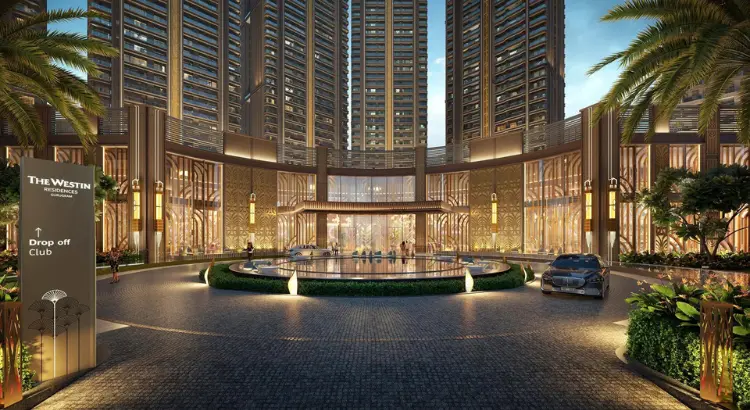
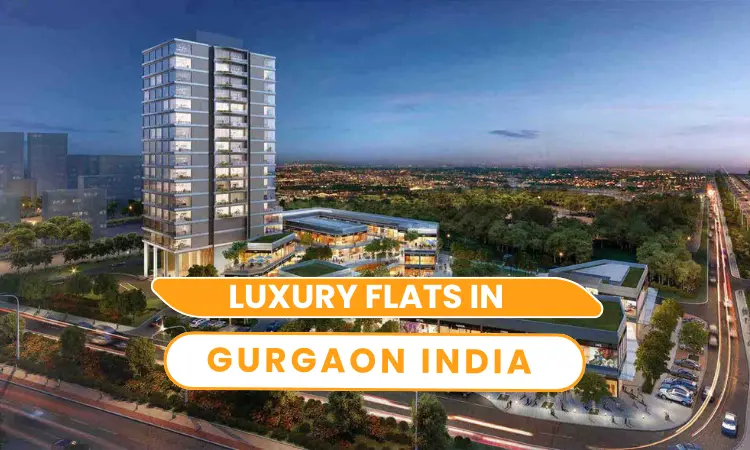
With improved connectivity, people are more willing to consider homes further from the city center, especially if they offer better value, larger spaces, and modern amenities. The peripheral sectors are witnessing a surge in planned townships, independent villas, and high-rise apartments at competitive prices compared to central Gurugram.
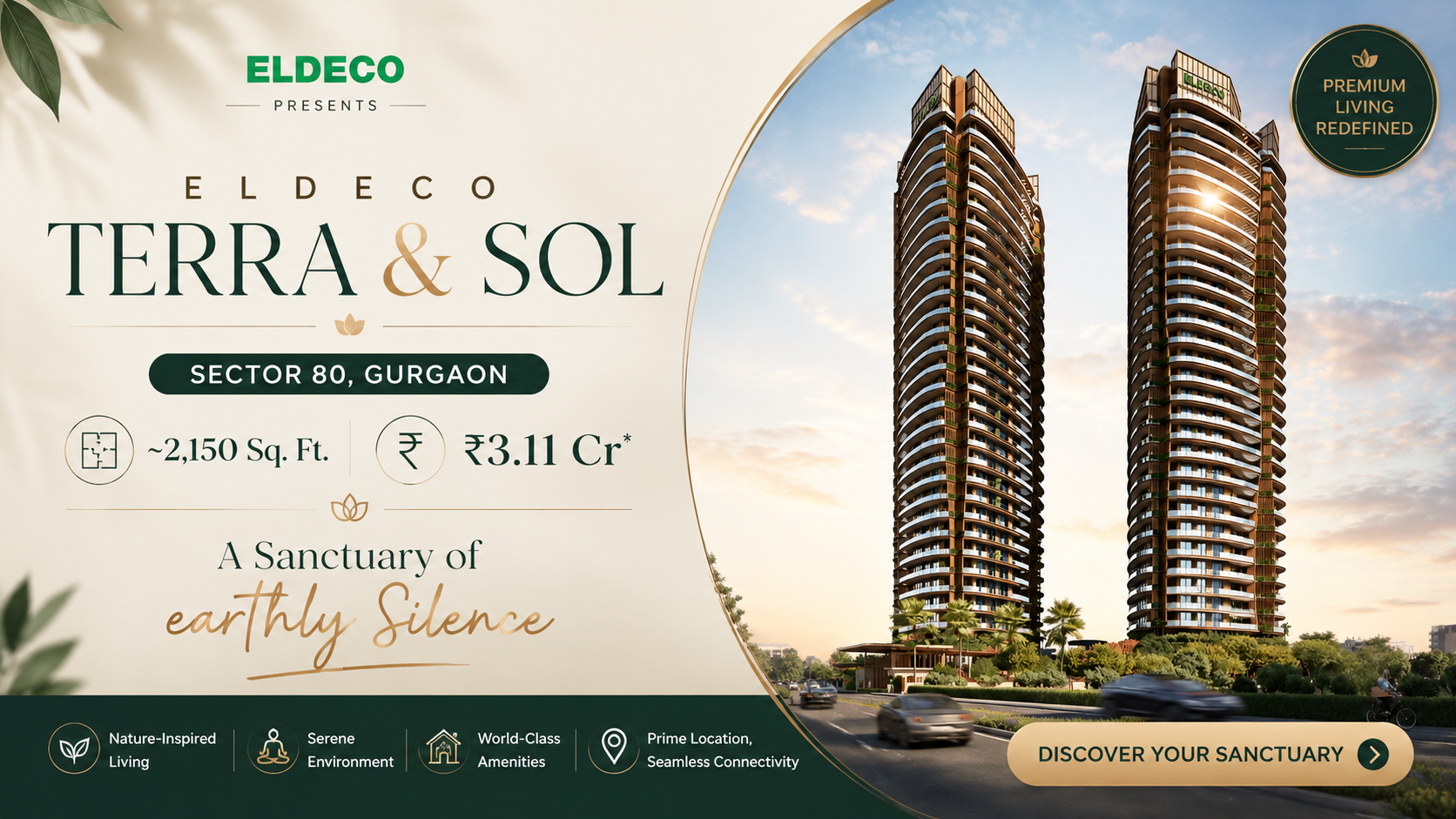
Moreover, the influx of businesses and industries translates into job creation, which in turn drives demand for housing. Families looking for a balanced lifestyle, away from the hustle and bustle but still well-connected, find these areas increasingly appealing. Developers are keen to launch upcoming residential projects in Gurugram in these growth corridors.
Commercial Properties:
The expressway's proximity makes the peripheral areas ideal for logistics parks, warehousing, and manufacturing units. Reduced transportation costs and easier access to major markets are significant advantages. Furthermore, with residential development, there's a natural demand for retail spaces, office complexes, and service industries, opening up opportunities for commercial investors.
Challenges and Considerations
While the outlook is overwhelmingly positive, long-term investors should also consider potential challenges. These include ensuring clear land titles, understanding local zoning laws, and monitoring the pace of promised infrastructure delivery. Due diligence and partnering with reputable real estate advisors are paramount to mitigating risks and maximizing returns.
The Future Landscape
The Delhi-Mumbai Expressway is undeniably a major artery pumping life and dynamism into Gurugram's peripheral real estate market. Its full potential will unfold over the coming years, transforming these areas into self-sufficient, thriving urban centers. As connectivity improves further, and supporting infrastructure catches up, the value proposition of these sectors will only strengthen.
For both homebuyers seeking a future-proof investment and long-term investors eyeing substantial returns, Gurugram's peripheral sectors, riding on the wave of the DME, represent a compelling narrative of growth and prosperity in Indian real estate.
Conclusion
The Delhi-Mumbai Expressway is a transformative force, redefining the real estate paradigms in Gurugram's peripheral sectors. It has ushered in an era of enhanced connectivity, infrastructure development, and substantial property appreciation. For discerning long-term investors, these regions offer a unique opportunity to participate in a high-growth trajectory driven by robust national infrastructure. As Gurugram continues to expand, its peripheries, empowered by the DME, are set to become the next frontiers of urban development and lucrative investment.