


In the dynamic landscape of global investments, few sectors captivate attention quite like Commercial Real Estate (CRE). After a period of recalibration and uncertainty, we are systematically analyzing a robust resurgence, signaling a compelling comeback for CRE markets worldwide, with India firmly at the forefront of this revival. This isn't merely a recovery; it's a strategic repositioning driven by fundamental economic shifts, technological innovation, and evolving consumer and business demands. For discerning investors and businesses, understanding the nuances of this resurgence is paramount to unlocking unparalleled opportunities.
At Realty Applications, we have meticulously observed the unfolding trends, confirming that commercial real estate is not just bouncing back; it's transforming. The market is demonstrating remarkable resilience and adaptability, transitioning into a new era defined by strategic growth and diversified investment potential. This comprehensive analysis delves into the core drivers, sector-specific dynamics, and geographical hotspots fueling this exciting comeback, providing the authoritative insights you need to navigate this thriving market.
Unpacking the Drivers: What's Fueling the CRE Revival?
The current upswing in commercial real estate is not accidental; it is the culmination of several powerful, interconnected forces reshaping global and local economies. We have identified key catalysts that are collectively propelling this resurgence.
Economic Tailwinds and Stabilizing Markets
Globally, positive sentiment in commercial real estate is building, with many markets entering a "buy" cycle as of Q3 2024, a level not seen since 2016. Central banks are beginning to ease monetary policies, with interest rates showing signs of stabilization and even cuts in some regions, thereby improving investment conditions and capital availability. For instance, the Reserve Bank of India reduced its key policy rate in February 2025, the first such adjustment in five years, signaling a more favorable economic environment. This macro-economic stability encourages greater investment and development activities, providing a solid foundation for CRE growth. India's economic outlook remains positive, demonstrating resilience amidst persistent global economic headwinds.
Demographic Shifts and Urbanization Trends
Rapid urbanization continues to be a significant driver for commercial real estate, particularly in emerging economies like India. The increasing migration of populations to urban centers creates sustained demand for housing, retail, and office spaces. Coupled with a young and growing workforce, this demographic dividend translates into heightened consumption and a need for expanded commercial infrastructure. We also observe evolving lifestyle preferences, with a strong demand for integrated "live-work-play" environments that mixed-use developments cater to effectively.
Technological Advancements and Infrastructure Development
Technological leaps, including the rapid adoption of artificial intelligence (AI), cloud computing, and advanced digital infrastructure, are profoundly impacting CRE. These advancements fuel the demand for specialized assets such as data centers and smart office buildings. Concurrently, governments and private entities are investing heavily in infrastructure development—roads, metros, logistics corridors—which enhances connectivity and accessibility, making previously underdeveloped areas viable for commercial projects. This strategic development significantly boosts the attractiveness and value of commercial properties. For example, India's industrial real estate evolution is heavily reliant on infrastructure upgrades and strategic capital allocation to position the country as a global manufacturing and logistics hub.
Evolving Business Models and Tenant Demands
The post-pandemic era has reshaped how businesses operate and what they seek in commercial spaces. There's a pronounced shift towards flexibility, sustainability, and employee well-being. Hybrid work models necessitate offices that foster collaboration and innovation, while the e-commerce boom continues to drive demand for logistics and warehousing facilities. This evolution compels developers to innovate and deliver spaces that are not just functional but also adaptive, experience-rich, and environmentally conscious.
Sector-Specific Spotlights: Where Growth is Concentrated
While the overall CRE market is thriving, certain sectors are experiencing particularly robust growth, driven by unique demand dynamics and strategic investments. We have identified several such segments that present compelling opportunities.
The Reinvention of the Office Sector
The narrative of the office sector has moved beyond mere recovery; it's a story of profound reinvention. Despite initial concerns stemming from remote work trends, the office market in India has demonstrated significant resilience and growth. In the first half of 2026, the Indian office sector recorded its highest ever first-half leasing volume, reaching 43 million square feet, a 5% year-on-year increase. Gross leasing volume across India's top eight cities stood at 21.9 million square feet in Q1 2026, marking a 13% annual growth. This momentum is largely attributed to the expansion of Global Capability Centers (GCCs) and the sustained interest from flexible workspace operators.
- Hybrid Work Models and Flight-to-Quality: The widespread adoption of hybrid work has led to a "flight-to-quality," with companies prioritizing Grade A office spaces that offer superior amenities, technology infrastructure, and employee experience. Occupiers are seeking spaces that enhance collaboration, foster culture, and attract talent. We see this trend driving demand for well-located, premium office assets.
- Flexibility and Amenity-Rich Spaces: Flexible office solutions and co-working spaces are experiencing sustained growth. These models cater to startups, freelancers, and large corporations seeking agile, cost-effective, and scalable office arrangements. In Q1 2026, flex operators accounted for a significant share of leasing activity in cities like Pune and Delhi NCR.
The Unstoppable Rise of Industrial & Logistics
The industrial and logistics sector continues its remarkable growth trajectory, underpinned by the structural changes in global supply chains and the booming e-commerce landscape. India's logistics and industrial real estate sector saw robust absorption of 14.6 million square feet in Q2 2025, registering a significant 86% year-on-year growth. Overall, gross leasing is expected to cross 60 million square feet by the end of 2025, setting a new benchmark.
- E-commerce Boom and Supply Chain Optimization: The relentless expansion of online retail necessitates efficient warehousing, distribution centers, and last-mile delivery infrastructure. This fuels consistent demand for modern, large-format logistics parks. The e-commerce sector recorded a sharp 158% year-on-year growth in leasing to reach 4.6 million square feet in H1 2025.
- Warehousing and Distribution Hubs: Government initiatives like "Make in India" and Production-Linked Incentive (PLI) schemes are bolstering domestic manufacturing, further stimulating demand for industrial spaces. There's also a noticeable trend of supply chain diversification by multinational corporations, with India emerging as a preferred manufacturing and logistics hub. Tier II and Tier III cities are becoming increasingly important for logistics operations, driven by better land availability and improving connectivity.
Retail's Transformation: Experience-Centric Destinations
Far from being overshadowed by e-commerce, the retail real estate sector is undergoing a vibrant transformation, evolving into experience-driven destinations. India's retail real estate sector is poised for a strong recovery in 2025, with leasing activity projected to reach a post-pandemic high. Major metropolitan regions continue to dominate, but Tier-II cities are emerging as new growth engines.
- Omnichannel Strategies and Experiential Retail: Retailers are adopting omnichannel strategies, viewing physical stores as crucial brand experience centers that complement their online presence. This shift drives demand for high-quality retail spaces in malls and high-street locations that can offer unique shopping, dining, and entertainment experiences.
- Community Hubs and Mixed-Use Developments: Modern retail assets increasingly focus on open layouts, entertainment zones, food courts, and experiential offerings, repositioning malls as lifestyle destinations and community hubs. India's retail real estate is expected to attract USD 3.5 billion in investments over the next three years, driven by robust demand and a shortage of quality assets.
Emerging Powerhouses: Data Centers and Alternative Assets
The digital age has brought forth new asset classes that are experiencing explosive growth. Data centers, in particular, have emerged as one of India's fastest-growing commercial real estate asset classes. Driven by artificial intelligence (AI), digital transformation, cloud computing, and data localization mandates, India's data center capacity is projected to increase significantly. Cumulative investment commitments could exceed USD 180 billion by 2026. India's operational data center capacity is projected to cross 3,000 MW within the next few years, with investments potentially exceeding USD 10 billion over the remainder of the decade.
- Digital Transformation and Cloud Computing: The ever-increasing demand for data storage, processing, and connectivity underpins the robust growth of data centers. Hyperscalers and cloud service providers are driving significant activity, accelerating demand for built-to-suit campuses designed to support AI workloads.
- Co-Living, Student Housing, and Life Sciences: Beyond data centers, alternative assets like co-living spaces, student housing, and life sciences facilities are gaining traction. These segments cater to specific demographic needs and specialized industries, offering diversified investment opportunities with attractive returns.
The Indian Growth Story: A Regional Deep Dive (with Gurugram Focus)
India's commercial real estate market stands out globally, propelled by a unique confluence of economic strength, policy support, and demographic advantages. This is particularly evident in key growth corridors, with Gurugram shining as a prime example.
India's Economic Momentum and Policy Support
India is experiencing robust economic growth, positioning itself as a global economic powerhouse. Institutional investments in India's real estate sector reached a record USD 8.9 billion in 2024, a 51% increase from the previous year, and are estimated to cross USD 10 billion in 2025. This upward trend is supported by various government initiatives like RERA (Real Estate Regulatory Authority), which has brought increased transparency and investor confidence, attracting both domestic and foreign direct investments (FDI).
Gurugram: A Hub for Innovation and Investment
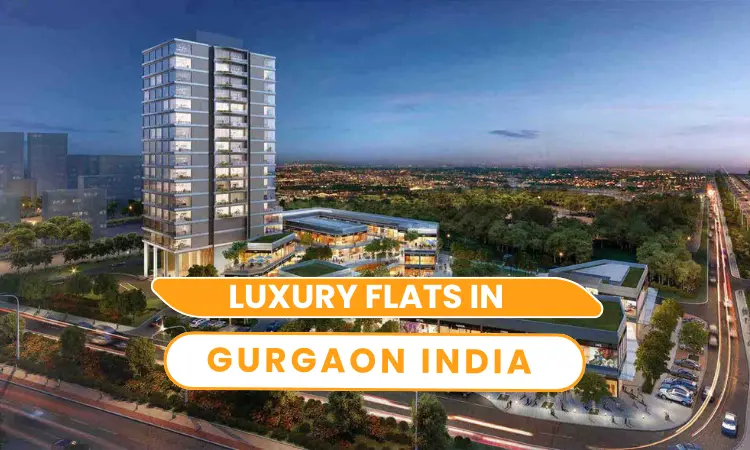
Gurugram, often referred to as the "Millennium City," has solidified its reputation as India's most dynamic real estate hub. Its strategic location, burgeoning corporate culture, and extensive urbanization have attracted significant investments in the property market. The city's commercial real estate sector is thriving, driven by strong demand for office spaces from IT, technology, and multinational corporations. Gurgaon's office space demand has even outpaced Bengaluru and Hyderabad in some metrics, with Global Capability Centers (GCCs) from companies like Microsoft, SAP, and Starbucks leasing substantial spaces. Areas like Cyber City and Cyber Hub have reinforced Gurugram's status as a business powerhouse, with rental yields climbing in prime locations.
Key Micro-Markets and Future Prospects
Gurugram's real estate transformation is also being shaped by large-scale infrastructure projects. The Dwarka Expressway, now fully operational, has significantly improved connectivity to Delhi's IGI Airport, leading to substantial property price surges along its corridor. The upcoming Regional Rapid Transit System (RRTS) will further enhance regional connectivity, boosting demand in peripheral areas like Sohna and Manesar. We are witnessing the rise of mixed-use developments that combine residential, retail, and commercial spaces, catering to the diverse needs of the city's cosmopolitan population and offering a "live-work-play" lifestyle. The city is set to grow at a CAGR of 10-11% in 2024. Even within Gurugram, Cybercity maintains a notably low vacancy rate of 5.4%, compared to 35.9% in other regions of Gurugram, highlighting the desirability of prime micro-markets.
Navigating the Investment Landscape: Opportunities and Considerations
The resurgence of commercial real estate presents a compelling investment landscape, but like any robust market, it requires careful consideration and strategic planning. We emphasize understanding the inherent value and long-term potential of these assets.
Understanding Risk vs. Reward
While the market is buoyant, investors must diligently assess risk profiles. Factors such as location, tenant quality, lease structures, and economic sensitivity vary significantly across sectors. For instance, data centers generally offer stable, long-term income due to demand linked directly to digital adoption rather than cyclical consumer behavior. Conversely, the office sector, while strong, requires a focus on Grade A assets to mitigate risks associated with evolving work patterns. Realty Applications focuses on providing clients with data-driven insights to evaluate these factors comprehensively.
Long-Term Value Creation
The current environment favors long-term value creation over speculative short-term gains. Investments in high-quality, strategically located assets with strong demand drivers are likely to yield sustainable returns. This includes properties that align with future trends such as sustainability, technological integration, and adaptive use. The flow of institutional and private capital into India's industrial real estate, for example, is driven by stable long-term returns, strong demand, and lower vacancy risks compared to other property types.
The Role of Strategic Partnerships (Realty Applications)
Navigating the complexities of the commercial real estate market, especially in a rapidly evolving region like Gurugram, necessitates expert guidance. Strategic partners like Realty Applications provide invaluable insights into market trends, legal frameworks, and investment opportunities. Our deep local expertise and extensive network ensure that our clients make informed decisions, whether they are acquiring, developing, or leasing commercial properties. We bridge the gap between global trends and localized opportunities, ensuring that your investment aligns with the most promising growth trajectories.
| Sector | Primary Drivers | Risk Profile | Growth Potential (India) |
|---|---|---|---|
| Office | Hybrid work models, flight-to-quality, Global Capability Centers (GCCs), talent attraction, flexible spaces. | Moderate to High (depends on asset quality and location) | Medium to High (especially Grade A, tech-enabled spaces, with Delhi-NCR, Bengaluru, Mumbai, and Hyderabad leading) |
| Industrial & Logistics | E-commerce penetration, supply chain resilience, 'Make in India' manufacturing growth, infrastructure development, third-party logistics (3PLs). | Low to Moderate (stable income, high demand) | High and Stable (driven by consistent absorption, with Tier 2/3 cities gaining importance) |
| Retail | Rising domestic consumption, urbanization, omnichannel strategies, experiential retail, young consumer base. | Moderate (dependent on location, format, and tenant mix) | Medium to High (organized retail and experience-centric formats showing strong recovery and investment) |
| Data Centers | Digital transformation, AI adoption, cloud computing, data localization, 5G rollout. | Low to Moderate (long leases, stable income, high capital requirements) | Very High (explosive growth, significant investment commitments, particularly in Mumbai, Chennai, Delhi-NCR, Bengaluru) |
Challenges and Mitigations: A Balanced Perspective
While the outlook for commercial real estate is largely optimistic, a comprehensive analysis requires acknowledging potential challenges. We understand that navigating these complexities is crucial for sustained success.
- Economic Volatility and Interest Rate Fluctuations: Despite current stabilization, global economic conditions can remain unpredictable. Interest rate changes can impact financing costs and investment returns. We advise clients to factor in various economic scenarios and secure favorable financing terms to mitigate these risks. The World Economic Forum highlights that while many central banks have begun cutting interest rates, it will take time for them to normalize, necessitating a cautious, long-term approach to growth.
- Geopolitical Uncertainties: Geopolitical tensions can introduce market volatility and impact investor confidence. Diversifying portfolios across stable regions and sectors can help cushion against such external shocks.
- Sustainability and ESG Mandates: There is growing pressure for commercial properties to meet Environmental, Social, and Governance (ESG) standards. While this presents an initial investment challenge, it also offers significant long-term value creation through reduced operational costs, enhanced tenant appeal, and compliance with evolving regulatory frameworks. Developers in Gurugram are increasingly incorporating green building techniques.
- Talent Shortages and Construction Costs: The construction sector faces challenges such as labor shortages and rising material costs, which can impact project timelines and budgets. Strategic planning, efficient project management, and adopting modern construction techniques are essential to overcome these hurdles.
The Road Ahead: Future Outlook for Commercial Real Estate
As we look to the future, the commercial real estate sector is poised for continued evolution, driven by innovation and adaptation. We foresee several key trends shaping the market in the coming years.
- Innovation and Adaptation as Key: The ability to innovate and adapt to changing market demands will define success. This includes developing flexible spaces, integrating smart technologies, and creating mixed-use environments that offer comprehensive solutions for businesses and individuals.
- Sustainable and Smart Buildings: ESG principles will move from desirable to essential. Demand for sustainable, energy-efficient, and technologically advanced "smart" buildings will intensify. These properties will command premium valuations due to lower operating costs, higher tenant satisfaction, and compliance with environmental regulations.
- Personalized Spaces and Community Integration: The future of CRE will increasingly focus on personalization and community. Whether it's office spaces designed for specific team needs, retail environments curated for local demographics, or logistics hubs optimized for regional supply chains, tailoring properties to precise requirements will be a significant value driver. The focus will be on creating vibrant, integrated communities within and around commercial developments.
Conclusion: Seizing the Moment in a Transformed Market
The narrative of commercial real estate's strong comeback is not just a story of recovery but of remarkable transformation and strategic growth. We have moved past the initial uncertainties, and the market is now characterized by renewed optimism, significant investment inflows, and innovative adaptation across various sectors. From the reinvention of office spaces and the sustained growth of industrial and logistics facilities to the experiential evolution of retail and the explosive emergence of data centers, the opportunities are abundant and diverse.
India, with its robust economic momentum and proactive policy environment, stands out as a global leader in this resurgence. Cities like Gurugram exemplify this dynamism, offering unparalleled investment potential fueled by infrastructure development and a thriving corporate landscape. However, realizing these opportunities demands a nuanced understanding of market dynamics, a proactive approach to risk mitigation, and the foresight to invest in assets aligned with future trends.
At Realty Applications, we are dedicated to empowering our clients with the expertise and insights needed to navigate this exciting market successfully. We believe that by embracing innovation, focusing on long-term value creation, and forging strategic partnerships, investors can confidently seize the moment and capitalize on the magnetic appeal of commercial real estate's strong comeback. This is more than just a market cycle; it's a new chapter for commercial real estate, brimming with potential for those ready to engage strategically.