


Commercial Property Meltdown? 3 Markets Set to DEFY the Odds in 2026
The global economic narrative has been punctuated by whispers, and sometimes shouts, of an impending "commercial property meltdown." Rising interest rates, the enduring impact of remote and hybrid work models, and broader geopolitical uncertainties have indeed cast a long shadow over traditional commercial real estate markets in many Western economies. However, as expert real estate consultants, we systematically analyzed the nuances of the Indian commercial property landscape, and our findings paint a distinctly different picture. While caution is always prudent, the notion of a universal "meltdown" significantly overlooks the robust fundamentals and unique growth trajectories of specific Indian markets. For investors and businesses seeking resilient avenues for growth, 2026 promises to be a year where certain Indian commercial hubs will not just survive, but thrive, defying the global downturn.
At Realty Applications, our deep engagement with the Indian real estate sector, particularly in dynamic regions like Gurugram, allows us to offer an informed perspective. We recognize that while global trends can influence local sentiments, the intrinsic demand drivers, governmental support, and demographic advantages prevalent in India create a protective buffer, and in some cases, a springboard for growth. This article delves into the macro factors shaping this outlook and identifies three pivotal Indian commercial property markets poised to demonstrate exceptional resilience and growth in 2026.
The Global Headwinds and India's Unique Trajectory
Internationally, the commercial property market has faced significant challenges. Office vacancies have surged in some major global cities as companies right-size their footprints. Inflationary pressures and central banks' hawkish monetary policies have increased borrowing costs, impacting developers' project viability and investors' returns. The retail sector, already grappling with e-commerce shifts, continues its transformation, while logistics and industrial segments, though strong, are also subject to supply chain reconfigurations.
India, however, operates on a different rhythm. Its large domestic consumption base, a burgeoning middle class, and a young, aspirational workforce underpin a robust economic growth story. The country's strong services sector, particularly IT and IT-enabled services (IT/ITES), continues to drive demand for modern office spaces. Furthermore, government initiatives like "Make in India," the push for infrastructure development, and reforms aimed at improving the ease of doing business have created a fertile ground for commercial expansion across various segments, including manufacturing, logistics, and data centers. We observe that these intrinsic strengths provide a strong counter-narrative to the global pessimism, positioning India as a beacon of opportunity.
Decoding Resilience: Key Factors Driving Commercial Property Growth in India
The resilience of the Indian commercial property market is not accidental; it is the culmination of several interlinked factors:
- Demographic Dividend and Urbanization: India's large, young population continues to migrate to urban centers in search of economic opportunities. This urbanization trend fuels demand for both residential and commercial spaces, from offices to retail and entertainment complexes.
- Robust Economic Growth: India consistently ranks among the fastest-growing major economies globally. This sustained growth translates into higher corporate profits, expansion plans, and subsequently, increased demand for commercial real estate.
- IT/ITES and Startup Ecosystem: India's prowess in the technology sector is unparalleled. Cities with strong IT clusters are magnets for global companies and a thriving startup ecosystem, perpetually needing quality office and incubation spaces.
- Infrastructure Development: Massive government investment in infrastructure - roads, expressways, airports, and public transport - enhances connectivity, reduces logistics costs, and unlocks new growth corridors. Projects like the Delhi-Mumbai Expressway Route Map, Length, State Coverage are transformative, connecting economic hubs and influencing commercial property values along their routes.
- Policy Support and Reforms: The Indian government has actively promoted foreign direct investment (FDI) in real estate, introduced the Real Estate (Regulation and Development) Act (RERA) for transparency, and offered incentives for specific sectors, all contributing to a more mature and attractive investment landscape.
- Diversification of Demand: Beyond IT, sectors like manufacturing, pharmaceuticals, logistics & warehousing, and data centers are emerging as significant drivers of commercial property demand, broadening the market's base.
Market #1: Gurugram – The Unyielding NCR Powerhouse
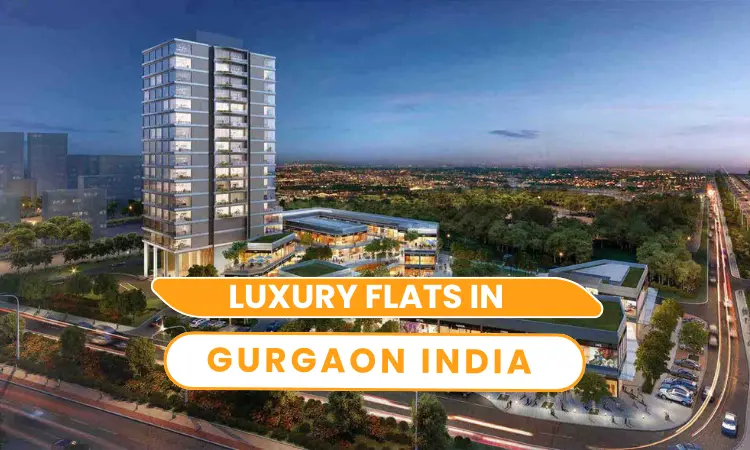
Gurugram, often referred to as the 'Cyber City' of India, stands as an indisputable powerhouse in the National Capital Region (NCR) and a prime example of commercial market resilience. Its transformation from an agricultural land to a global corporate hub in just a few decades is a testament to its strategic location, forward-thinking urban planning, and magnetic pull for multinational corporations. In 2026, Gurugram is poised to continue its upward trajectory, defying any broader market downturns.
We attribute Gurugram's sustained success to several critical factors. Firstly, its strategic proximity to the national capital, Delhi, coupled with excellent connectivity through expressways like the Delhi-Gurugram Expressway and the upcoming Dwarka Expressway, makes it an ideal location for businesses. The city boasts a high concentration of Fortune 500 companies, making it a preferred destination for global enterprises seeking high-quality office spaces. Furthermore, Gurugram's robust social infrastructure, including world-class educational institutions, healthcare facilities, and vibrant retail and entertainment options, attracts and retains top talent, which in turn fuels the demand for commercial and residential properties alike. The consistent demand for premium residential spaces, as reflected in our analysis of Best Societies in Gurgaon 2025, further underscores the city's holistic appeal.
The city's commercial real estate market is characterized by a dynamic blend of Grade A office spaces, modern retail establishments, and rapidly expanding co-working facilities. We observe that developers in Gurugram are consistently innovating, integrating sustainable design and smart building technologies, which appeals to a new generation of businesses prioritizing efficiency and environmental responsibility. The consistent influx of new businesses and the expansion of existing ones ensure a healthy absorption rate for commercial inventory, mitigating risks often associated with oversupply in other markets. Planned and ongoing infrastructure upgrades, such as the extension of the metro network and new highway projects, will further enhance Gurugram's accessibility and attractiveness, solidifying its position as a top-tier commercial investment destination for 2026 and beyond.
Market #2: Bengaluru – India's Enduring Silicon Valley
Bengaluru, the capital of Karnataka, needs little introduction as India's "Silicon Valley." Its reputation as a global technology and innovation hub is firmly established, and this status will continue to propel its commercial property market in 2026. Despite the global tech slowdown and layoffs that have been reported, Bengaluru's fundamental demand drivers remain incredibly strong, making it an emerging phoenix in the commercial real estate landscape.
The city's unparalleled ecosystem of IT, ITES, biotechnology, and startups consistently attracts massive foreign and domestic investment. We have seen that the demand for office spaces in Bengaluru is not merely volume-driven but also quality-driven, with companies seeking modern, sustainable, and amenity-rich environments to attract and retain talent. Areas like Outer Ring Road (ORR), Sarjapur Road, and Whitefield continue to witness robust absorption, supported by ongoing infrastructure projects and a skilled talent pool.
Beyond traditional office spaces, Bengaluru is a hotspot for co-working spaces, research and development centers, and data centers. The city's young and dynamic workforce, coupled with its vibrant social and cultural scene, ensures a steady influx of professionals, thereby stimulating both residential and commercial real estate markets. While some markets might face headwinds from remote work, Bengaluru's collaborative and innovative culture often necessitates a physical presence, driving consistent demand for well-located and thoughtfully designed commercial properties. The city's ability to adapt and innovate across economic cycles makes it a fundamentally resilient commercial market.
Market #3: Hyderabad – The Strategic Frontier of Growth
Hyderabad, the capital of Telangana, has rapidly emerged as a strategic frontier for commercial property growth, challenging established hubs with its proactive government policies, burgeoning infrastructure, and diverse economic base. We believe Hyderabad is exceptionally well-positioned to defy commercial property odds in 2026, building on its momentum as a preferred destination for IT, pharmaceuticals, and biotechnology.
What sets Hyderabad apart is its balanced growth strategy. While its IT sector, concentrated in areas like Hitec City and Gachibowli, is a primary growth engine, the city also boasts a strong presence in the life sciences, aerospace, and defense sectors. This diversification provides a robust buffer against sector-specific downturns. The state government's investor-friendly policies, transparent administration, and commitment to infrastructure development have significantly boosted investor confidence. This includes initiatives to improve urban mobility, develop new growth corridors, and create specialized economic zones.
The commercial property market in Hyderabad is characterized by a healthy supply of Grade A office spaces, competitive rental yields, and strong absorption rates. We have observed that many multinational corporations are either expanding their operations or establishing new centers in Hyderabad, drawn by the availability of skilled talent, competitive operational costs, and excellent quality of life. The city's proactive stance on urban planning, coupled with significant investments in public infrastructure, including metro expansion and new flyovers, ensures its continued appeal as a dynamic commercial hub. Hyderabad represents a compelling investment proposition for those seeking high-growth commercial assets in a supportive and rapidly developing environment.
Comparative Analysis: Factors Influencing Commercial Property Resilience in India (2026 Outlook)
To further illustrate the strengths of these markets, we present a comparative analysis of key resilience factors:
| Factor | Gurugram (NCR) | Bengaluru (Karnataka) | Hyderabad (Telangana) |
|---|---|---|---|
| Primary Demand Drivers | IT/ITES, Consulting, Automotive, Financial Services, R&D centers | IT/ITES, E-commerce, Startups, Biotechnology, R&D centers | IT/ITES, Pharmaceuticals, Life Sciences, Aerospace, Defense |
| Infrastructure Growth | Excellent road connectivity (expressways), Metro expansion, Planned peripheral expressways | Established road network, Metro expansion, Airport connectivity, Peripheral Ring Road (proposed) | Strong road network, Metro expansion, Outer Ring Road, Strategic industrial corridors |
| Talent Pool & Workforce | Large, skilled workforce from NCR and surrounding states, strong educational institutions | Dense concentration of highly skilled IT professionals, leading technical universities | Growing pool of IT, Pharma, Life Sciences professionals, strong academic base |
| Government & Policy Support | Investments in infrastructure, ease of doing business, industrial policy | Pro-IT policies, startup promotion, urban development initiatives | Aggressive investor-friendly policies, sector-specific incentives, rapid approvals |
| Market Maturity & Stability | Mature market with established players, consistent Grade A supply and demand | Highly mature tech market, consistent high absorption, premium rentals | Rapidly maturing, strong growth trajectory, competitive and stable market |
| Future Growth Potential | Continued expansion into new sectors (e.g., data centers), residential integration | Innovation-led growth, expansion into Tier-2 tech hubs, R&D dominance | Diversification, manufacturing growth, continued IT/Pharma expansion, logistics |
Navigating the Nuances: Challenges and Opportunities
While the outlook for these three markets is overwhelmingly positive, it is imperative to acknowledge potential challenges. Global economic slowdowns, though less impactful in India, can still create ripples. Inflationary pressures might affect construction costs, and localized supply-demand imbalances can occur. However, these are typically transient and manageable within the context of a robust and growing economy.
For savvy investors and businesses, these challenges often present opportunities. Market corrections, if any, can be opportune entry points. Furthermore, the increasing demand for specialized commercial spaces – such as co-working, data centers, and advanced manufacturing units – offers new avenues for investment beyond traditional office or retail. We systematically monitor these emerging trends to guide our clients towards optimal investment strategies. The emphasis on sustainability and smart building technologies also creates opportunities for developers and investors who prioritize long-term value and operational efficiency.
Outbound Links for Further Reference:
- For an overview of India's economic performance and projections, refer to the Reserve Bank of India (RBI) publications and reports.
- Insights into the commercial real estate sector's performance and trends in India can often be found in reports by leading global real estate consultancies such as JLL India.
Conclusion: Defying the Odds with Strategic Investments
The narrative of a widespread commercial property meltdown, while relevant in some global contexts, largely misses the mark when applied to India's dynamic real estate landscape. Our in-depth analysis confirms that markets like Gurugram, Bengaluru, and Hyderabad are not merely weathering the storm; they are positioned for substantial growth and resilience in 2026. Their strong economic fundamentals, relentless infrastructure development, a thriving talent pool, and supportive policy environments create a powerful synergy that will continue to attract investment and foster commercial expansion.
For investors, businesses, and developers, understanding these specific market dynamics is paramount. The "meltdown" narrative can, in fact, obscure genuine opportunities for significant returns and long-term value creation. At Realty Applications, we stand ready to provide comprehensive guidance, leveraging our expertise and detailed market insights to help you navigate these vibrant markets and capitalize on the unique prospects they offer. The future of commercial real estate in these Indian cities is not just about survival, but about leading the charge towards a new era of growth and innovation.