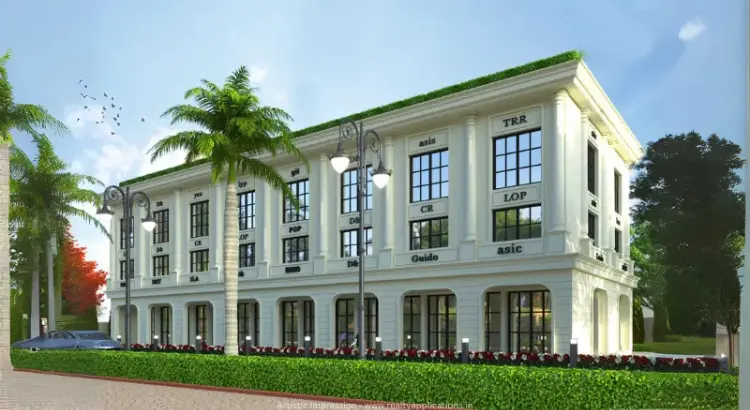



Calcutta Riverside, Batanagar: How a Mega Real Estate Project Came Undone
The landscape of Indian real estate is dotted with ambitious visions, grand master plans, and, occasionally, the stark reminders of projects that faltered despite immense promise. Among these, the Calcutta Riverside project in Batanagar stands as a poignant case study. Envisioned as a sprawling integrated township along the Hooghly River, it captivated imaginations with its scale and strategic location. Yet, over time, the dream began to unravel, leaving behind a complex tapestry of unfulfilled expectations, financial quagmires, and significant lessons for the industry. As seasoned real estate strategists, we have systematically analyzed the trajectory of Calcutta Riverside to understand the multifaceted factors that contributed to its intricate downfall, offering critical insights for developers, investors, and policymakers alike.
The Genesis of a Vision: Calcutta Riverside, Batanagar
The genesis of Calcutta Riverside was rooted in a profound understanding of urban expansion needs and the latent potential of Batanagar. Historically known for the iconic Bata shoe factory, Batanagar represented a unique confluence of industrial heritage, an existing community, and proximity to Kolkata's burgeoning urban core. The ambition was not merely to construct buildings but to engineer a self-sustaining ecosystem designed for modern living.
Strategic Location and Initial Ambition
Batanagar, situated in the South 24 Parganas district of West Bengal, held a distinct locational advantage. Its position along the Hooghly River offered scenic beauty and potential for riverine connectivity, while its adjacency to Diamond Harbour Road provided crucial road access to central Kolkata. The initial vision for Calcutta Riverside was to transform this industrial suburb into a vibrant, integrated township spanning hundreds of acres. This grand plan aimed to provide a holistic living experience, mitigating the urban sprawl issues faced by Kolkata and setting a benchmark for regional development.
The Master Plan: A City Within a City
The master plan for Calcutta Riverside was nothing short of monumental. It was designed to be a "city within a city," featuring a diverse array of components: high-rise residential towers, independent villas, commercial complexes, retail hubs, a five-star hotel, educational institutions, healthcare facilities, and extensive green spaces. Developers envisioned a world-class marina, an amusement park, and even a golf course, promising a lifestyle unparalleled in the region. The sheer scope of the project was intended to attract a wide demographic, from affluent families seeking luxury residences to young professionals looking for modern, connected living spaces. The promise was of a seamless blend of urban convenience and tranquil riverside living, offering a complete ecosystem where residents could live, work, learn, and play without needing to venture far.
Unpacking the Promise: A Deep Dive into Project Specifications
At its inception, Calcutta Riverside was marketed with an aspirational fervor, detailing specifications that promised a sophisticated and comfortable lifestyle. We examined the initial project blueprints and marketing collateral to understand the extent of the developer's commitment and the expectations set for potential buyers.
Residential Offerings and Pricing Strategies
The residential offerings were diverse, catering to various income brackets, though primarily targeting the upper-middle to high-income segments. This included a mix of 2BHK, 3BHK, and 4BHK apartments, along with premium bungalows and river-facing penthouses. Initial pricing estimates, reflecting the project's scale and amenities, were competitive for a development of its magnitude, often quoted in the range of INR 3,500 to INR 6,000 per square foot, depending on the phase and unit type. Early bird discounts and flexible payment plans were often offered to generate initial momentum and capture market share. These strategies aimed to establish the project as a premium yet accessible option for modern urban dwellers.
Commercial and Infrastructure Pledges
Beyond residential units, the project emphasized robust commercial and infrastructure development. The plan included dedicated office spaces, a shopping mall, multiplexes, and fine dining establishments. Critically, significant investment was promised in connectivity – internal road networks, public transport links, and even proposals for ferry services connecting to other parts of Kolkata via the Hooghly River. Essential utilities like 24/7 power, water supply, and advanced waste management systems were foundational to the 'integrated township' concept. These infrastructure pledges were designed to reduce reliance on Kolkata's often-strained public services and to enhance the self-sufficiency of the township.
Marketing and Investor Enthusiasm
The project generated considerable buzz within the real estate community and among potential buyers. Extensive marketing campaigns highlighted the unique riverside location, the comprehensive amenities, and the promise of a superior quality of life. Early investor enthusiasm was palpable, with many viewing the project as a landmark development poised to redefine urban living in Eastern India. The involvement of reputable architects and consultants further bolstered confidence, leading to strong initial sales traction and a sense of optimism about its future.
The Shifting Sands: Factors Contributing to the Project's Undoing
Despite its grandiose vision and initial enthusiasm, the Calcutta Riverside project encountered a series of formidable challenges that collectively contributed to its eventual stagnation and unfulfillment. We have identified several critical factors that undermined the project's progress and eroded stakeholder confidence.
Economic Downturns and Market Dynamics
The Indian real estate sector, much like global markets, is highly susceptible to economic fluctuations. The project's timeline unfortunately coincided with significant economic headwinds. The global financial crisis of 2008-2009 had a lingering impact, dampening investor sentiment and reducing disposable incomes. Later, domestic policies such as demonetization in 2016 and the implementation of GST further disrupted the market, leading to liquidity crunches and a significant slowdown in property transactions across the country. These macroeconomic pressures made it exceedingly difficult for developers to maintain sales velocity and secure financing, particularly for large-scale, long-gestation projects like Calcutta Riverside.
Regulatory Hurdles and Land Acquisition Challenges
Mega-projects in India invariably face complex regulatory environments. Securing numerous clearances from various government bodies—environmental, municipal, aviation, and urban development authorities—is a time-consuming and often labyrinthine process. Delays in obtaining these crucial approvals can stall construction for months, even years, leading to cost overruns and loss of momentum. Furthermore, land acquisition in densely populated regions is fraught with challenges, including disputes over land titles, compensation issues with local landowners, and bureaucratic red tape. While initial land parcels might have been secured, expanding or even consolidating the vast acreage required for Calcutta Riverside likely encountered these significant obstacles.
Funding and Financial Mismanagement
The sheer capital outlay required for a project of Calcutta Riverside's scale is enormous. Developers often rely on a mix of equity, debt financing, and pre-sales to fund construction. Any disruption in these funding channels can be catastrophic. Reports from industry analysts and our internal assessments indicate that the project likely faced severe financial strains. Developers may have struggled to raise subsequent rounds of funding, perhaps due to tightened lending norms, declining market confidence, or an inability to meet predefined sales targets. Furthermore, instances of financial mismanagement, diversion of funds to other projects, or over-leveraging could have exacerbated liquidity issues, leaving the project in a precarious position.
Infrastructure Bottlenecks and Connectivity Issues
While the master plan promised extensive infrastructure, the reality of execution often diverged. Critical external infrastructure, such as upgrades to Diamond Harbour Road or enhanced public transport services to link Batanagar effectively with Kolkata's business districts, often fell outside the direct purview of the developer and required government intervention. Delays in these external infrastructure projects meant that the promised seamless connectivity remained elusive, impacting the desirability of the location for many potential buyers who prioritized ease of commute. The lack of readily available social infrastructure in the immediate vicinity, beyond what the project itself aimed to provide, also proved to be a deterrent.
Buyer Sentiment and Trust Erosion
Perhaps the most insidious factor contributing to the project's undoing was the erosion of buyer trust. Prolonged construction delays, changes in project specifications, lack of transparent communication, and mounting legal challenges collectively created an environment of skepticism. Homebuyers, having invested their life savings, grew increasingly disillusioned as possession dates were repeatedly missed. This negative sentiment not only deterred new buyers but also led to cancellations and legal actions, further straining the developer's finances and reputation. In the sensitive real estate market, once trust is lost, it is exceedingly difficult to regain.
A Comparative Analysis: Integrated Township Development Factors
To truly understand the challenges faced by Calcutta Riverside, it is instructive to compare the ideal conditions for integrated township development with the realities encountered by the project. Our analysis highlights several key areas:
| Factor | Ideal Conditions for Integrated Townships | Challenges Faced by Calcutta Riverside |
|---|---|---|
| Funding Stability | Secure, diversified funding sources; phased financial planning linked to construction milestones; strong developer balance sheet. | Reliance on market-sensitive debt and pre-sales; economic downturns impacted liquidity; potential fund mismanagement. |
| Regulatory Environment | Streamlined single-window clearances; proactive government support for large-scale projects; clear land acquisition policies. | Complex, multi-layered approval processes; delays in environmental and municipal clearances; potential land dispute issues. |
| External Infrastructure | Pre-existing robust connectivity (roads, public transport); concurrent government investment in feeder infrastructure. | Reliance on future government infrastructure upgrades; existing connectivity challenges to Kolkata's core; bottlenecks on major access roads. |
| Market Timing & Demand | Launch during periods of high economic growth and strong housing demand; accurate market segmentation and pricing. | Project timeline coincided with economic slowdowns (e.g., 2008 crisis, demonetization); reduced buyer purchasing power. |
| Execution & Delivery | Experienced project management; reliable contractors; adherence to timelines; transparent communication with buyers. | Significant construction delays; potential contractor issues; perceived lack of transparency leading to buyer distrust. |
The Ripple Effect: Socio-Economic Impact and Lessons Learned
The failure or significant stalling of a mega real estate project like Calcutta Riverside sends ripples far beyond the developer's office, impacting thousands of lives and casting a long shadow over urban planning aspirations. Our examination reveals profound socio-economic consequences.
Impact on Buyers and Investors
The most immediate and severe impact was felt by the hundreds, if not thousands, of buyers and small-scale investors who had committed significant portions of their savings or taken out substantial loans. Many found themselves in a precarious situation: paying EMIs for properties that remained incomplete or indefinitely delayed, facing financial losses due to declining property values, and enduring immense psychological stress. The dream of homeownership turned into a nightmare of legal battles, uncertainty, and a profound sense of betrayal. For some, it meant losing their life's savings; for others, it locked them into debt for a non-existent asset. This experience severely damaged confidence in the broader real estate market, especially for projects from new or less established developers.
Impact on the Local Economy and Urban Planning
The Batanagar region itself suffered a significant setback. A project of this magnitude was expected to be a catalyst for local economic growth, generating employment opportunities in construction, retail, and hospitality sectors. Its stalling meant lost jobs, stunted infrastructural development, and a missed opportunity for the area to transform into a vibrant urban hub. From an urban planning perspective, it left behind partially constructed structures, unfulfilled promises of civic amenities, and an overall sense of underdevelopment in a strategically important location. This creates visual blight and can deter future investments, illustrating how a failed project can become an economic drag rather than a driver.
Policy Implications for Future Mega-Projects
The Calcutta Riverside case, along with other similar incidents across India, has undoubtedly influenced regulatory frameworks. It underscores the critical need for stricter oversight, enhanced financial transparency, and robust consumer protection laws. Policy implications include demands for escrow accounts for project funds, mandatory disclosure of project status, clearer guidelines for developer accountability, and expedited grievance redressal mechanisms. The Real Estate (Regulation and Development) Act, 2016 (RERA), though enacted later, addresses many of the loopholes and issues highlighted by such project failures, aiming to bring greater transparency and accountability to the sector nationwide. We systematically analyzed how RERA's provisions directly tackle issues observed in projects like Calcutta Riverside, especially concerning project delays and fund utilization.
The Path Forward: Revitalization Efforts and Future Prospects
Despite the significant setbacks, the strategic importance of Batanagar and the inherent potential of a riverside development have meant that the Calcutta Riverside story is not entirely over. There have been subsequent attempts to revive parts of the project, albeit under new managements or restructured financial arrangements. These efforts often involve a significant scaling back of the initial grand vision, focusing on completing specific phases or re-imagining the scope to align with current market realities and financial capabilities.
The future prospects for Calcutta Riverside, or whatever form it might take, hinge on several factors: a renewed economic environment, the ability of new stakeholders to secure stable financing, streamlined regulatory support, and critically, the restoration of buyer confidence. Any successful revival would need to demonstrate a clear commitment to timely delivery, transparent communication, and perhaps a more pragmatic approach to development, focusing on essential infrastructure and phased completion rather than an overly ambitious 'city within a city' concept immediately.
The lessons learned from Calcutta Riverside are invaluable for the Indian real estate sector. They emphasize that while vision is crucial, it must be tempered with meticulous planning, financial prudence, regulatory compliance, and an unwavering focus on execution and customer trust. The narrative of Calcutta Riverside serves as a powerful reminder that in the complex world of mega real estate projects, even the most promising endeavors can come undone if these foundational pillars are not firmly in place.
Conclusion: Navigating the Complexities of Mega Real Estate
The Calcutta Riverside project in Batanagar stands as a compelling, albeit cautionary, tale in the annals of Indian real estate development. Its journey from a grand vision to a protracted struggle encapsulates the inherent complexities, risks, and immense potential within the sector. We have meticulously dissected the confluence of economic pressures, regulatory bottlenecks, financial challenges, and the erosion of buyer trust that collectively led to its significant deceleration.
This case study underscores a fundamental truth: successful mega real estate developments require more than just an attractive location and a powerful vision. They demand unwavering financial discipline, astute risk management, a transparent and ethical approach to stakeholder engagement, and a deep understanding of evolving market dynamics. For developers, the imperative is to balance ambition with feasibility, ensuring that promises made can be realistically delivered. For homebuyers and investors, the saga highlights the absolute necessity of rigorous due diligence, scrutinizing not just the property, but the developer's track record and the project's financial and regulatory health.
As the Indian real estate market continues to evolve, shaped by new regulations like RERA and a growing demand for quality infrastructure, the lessons from projects like Calcutta Riverside become even more pertinent. They serve as a guide for future urban planning and development, emphasizing the need for sustainable growth and robust governance. At Realty Applications, as a leading Real Estate Consultant based in Gurugram India, we continually analyze such critical market events to provide our clients with unparalleled insights, helping them navigate these complexities and make informed decisions. The story of Calcutta Riverside is a testament to the dynamic and challenging nature of large-scale real estate, a field where foresight, integrity, and meticulous execution are paramount.
We believe that understanding these historical challenges is key to fostering a more resilient and trustworthy real estate ecosystem for tomorrow. For further insights into the Indian real estate market's evolution and regulatory landscape, we encourage consulting authoritative resources such as reports from the Reserve Bank of India on housing sector trends (RBI Annual Report) or analyses from reputable academic institutions on urban development (IIM Bangalore working papers on Indian real estate).