


5 Shocking Truths About Property Valuation in 2026
In the dynamic realm of real estate, property valuation is far more than a mere numbers game; it is an intricate dance between data, market sentiment, and forward-looking projections. As expert real estate consultants based in Gurugram, India, we at Realty Applications have systematically analyzed the evolving landscape of property valuation. For decades, the process relied heavily on comparable sales, location, and the physical attributes of a property. However, as we stand on the cusp of 2026, the traditional paradigms are shifting dramatically. New, often surprising, factors are now dictating property worth, demanding a more nuanced and sophisticated approach from both buyers and sellers. We have identified five pivotal truths that are reshaping how properties are valued, truths that challenge conventional wisdom and require a fresh perspective to navigate successfully. These insights are critical for anyone looking to invest, sell, or simply understand the true worth of real estate in an increasingly complex market.
Truth 1: The Algorithmic Conundrum - Beyond Automated Valuation Models (AVMs)
Automated Valuation Models (AVMs) have long been touted as the future of property assessment, offering quick, data-driven estimates at the click of a button. While AVMs provide a foundational baseline by processing vast datasets of sales records, property characteristics, and market trends, we have observed a growing conundrum: their inherent limitations often lead to inaccurate or misleading valuations, particularly in markets as heterogeneous and rapidly evolving as Gurugram. These algorithms, by design, excel at identifying patterns within structured data. However, they frequently falter when confronted with unique property features, localized micro-market nuances, or the qualitative aspects that significantly influence value.
For instance, an AVM might struggle to account for the premium attached to a property with bespoke architectural design, a meticulously landscaped garden, or an exceptional view that comparable properties lack. Similarly, it may not adequately factor in the impact of a new, high-quality school catchment area or an upcoming infrastructure project that has not yet reflected in historical transaction data. We've seen scenarios where a property's true market value, validated by actual sales and expert appraisals, deviates significantly – sometimes by as much as 15-20% – from its AVM-generated estimate. This discrepancy often stems from algorithmic bias, where the model may inadvertently perpetuate historical market inefficiencies or fail to adapt quickly to sudden shifts in buyer preferences.
Our team consistently encounters instances where AVMs, despite their technological prowess, fail to capture the pulse of a fast-moving market. They rely on historical data, which can become quickly outdated in areas experiencing rapid development or significant policy changes. Moreover, the quality and completeness of public data used to train these models can vary, leading to inaccuracies. Therefore, while AVMs serve as a useful starting point, relying solely on them for critical investment decisions in 2026 would be a serious misstep. A comprehensive valuation still necessitates the discerning eye of an experienced appraiser who can blend quantitative analysis with qualitative insights, local market intelligence, and an understanding of future growth catalysts.
Truth 2: Experiential & Wellness Premiums - The New Luxury Defined by Lifestyle
The conventional wisdom that property value is primarily driven by square footage and basic amenities is rapidly becoming obsolete. In 2026, we find that a significant premium is being placed on the 'experience economy' and the comprehensive wellness offerings a property, or its surrounding community, provides. Buyers are no longer just purchasing a physical structure; they are investing in a lifestyle, a sense of community, and an environment that fosters well-being. This shift is particularly pronounced in urban centers like Gurugram, where the pursuit of a balanced, high-quality life has become a paramount concern for discerning individuals and families.
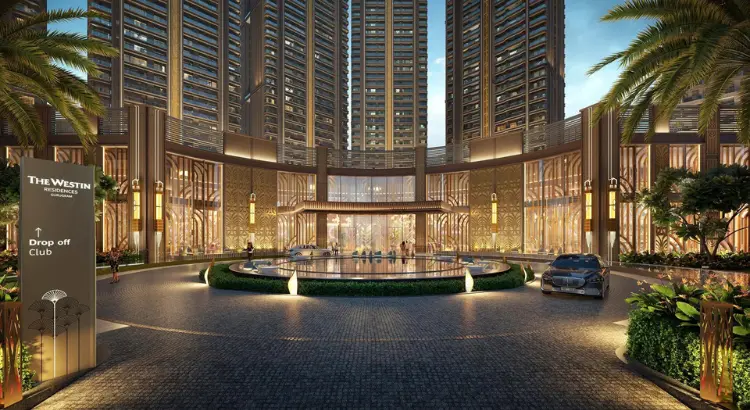
Properties boasting integrated smart home technology, ample green spaces, dedicated wellness zones (think yoga studios, meditation pods, state-of-the-art gyms), and access to communal facilities like clubhouses, swimming pools, and sports courts are commanding significantly higher prices. The concept of 'biophilic design' – integrating natural elements and light into living spaces – is also gaining traction, proving to enhance mental and physical health, thereby increasing property desirability and value. Furthermore, the surrounding community infrastructure plays an equally crucial role. Proximity to high-quality educational institutions, world-class healthcare facilities, vibrant retail hubs, and diverse dining options directly contributes to a property's appeal and, consequently, its valuation.
We have observed that properties within well-planned townships or integrated communities that prioritize pedestrian-friendly layouts, security, and social interaction often outperform standalone units lacking these holistic amenities. For instance, in Gurugram, demand for homes within developments that offer a complete ecosystem of conveniences and lifestyle amenities has surged. This trend indicates a strong preference for environments that minimize commuting stress and maximize leisure and well-being. Investors and homeowners alike must recognize that these intangible experiential and wellness factors are increasingly becoming tangible drivers of property value, often overshadowing sheer size or traditional luxury finishes. We explore some of these evolving preferences in our detailed analysis of Best Societies in Gurgaon 2025.
Truth 3: Infrastructure's Unseen Influence & Future-Proofing Potential
While location has always been a cornerstone of property valuation, its definition has evolved beyond mere geographic coordinates. In 2026, the strategic impact of existing and upcoming infrastructure development holds an unprecedented sway over property values. This "unseen influence" often dictates future growth trajectories, connectivity, and accessibility, thereby fundamentally reshaping the desirability and investment potential of entire regions. We systematically analyze governmental infrastructure blueprints, understanding that a new highway, expressway, or public transport corridor can unlock immense value in previously underserved or remote areas.
Consider the transformative power of mega-projects like the Delhi-Mumbai Expressway Route Map, Length, State Coverage. This monumental project is not merely a road; it's an economic artery that connects major industrial hubs, reduces travel times significantly, and stimulates economic activity along its entire length. Properties situated in its vicinity, even those a few kilometers off the main route, experience a substantial uplift in value due to enhanced logistics, business opportunities, and improved residential connectivity. Similarly, regional connectors such as the KMP Expressway - Map, Routes, Toll Charges & Travel Guide have profoundly impacted satellite towns and peri-urban areas around Gurugram, fostering new real estate development and attracting both residential and commercial investments.
Our research indicates that proactive investors who track these infrastructure developments closely can position themselves to reap significant capital appreciation. Properties that are "future-proofed" by guaranteed access to improved connectivity, such as those along the Gurgaon-Pataudi-Rewari Highway NH-352W | Route & Impact, often see sustained demand and appreciation rates that far outpace the general market. This truth underscores the necessity of looking beyond the present, to anticipate how government initiatives and large-scale infrastructure projects will redefine accessibility and economic vibrancy in the coming years. Valuations must now explicitly factor in these forward-looking infrastructure impacts, which are often overlooked by conventional approaches.
Truth 4: The Gig Economy & Remote Work's Reshaping of Demand
The seismic shift towards remote and hybrid work models, catalyzed by global events and facilitated by technological advancements, has fundamentally reshaped residential property demand and, consequently, valuation. In 2026, the dominance of traditional Central Business Districts (CBDs) as the primary drivers of residential property value is waning, making way for a decentralized approach to living and working. This phenomenon, often referred to as the "hub-and-spoke" model, implies that proximity to the office is no longer the sole determinant of desirability.
As individuals gain more flexibility in their work arrangements, their housing preferences are evolving. There's an increased demand for larger homes, often with dedicated home office spaces, better internet connectivity, and access to open areas or balconies. The focus has shifted from minimizing commute times to maximizing living quality and work-life balance. This has led to a noticeable migration towards suburban and even tier-2 cities that offer more spacious properties, a lower cost of living, and a perceived improvement in quality of life. Gurugram, with its blend of urban amenities and emerging peripheral zones, provides a fascinating case study for this trend.
Our analysis indicates that this shift impacts property valuation in several ways. Firstly, properties in quieter, well-connected suburban areas that offer larger floor plans and robust amenities are seeing heightened demand and appreciation. Secondly, the rental market is also experiencing changes, with a growing segment of remote workers seeking furnished, short-term rentals that offer flexibility and a complete living experience. Thirdly, property types that can be easily adapted for home-based businesses or co-working spaces within a residential complex are gaining significant value. Investors must now consider the long-term viability of a location not just by its commercial proximity, but by its ability to support a workforce that operates remotely, valuing peace, space, and a strong community network over a quick office commute. This re-evaluation of location-based utility is a critical truth for contemporary valuation.
Truth 5: ESG Factors & Regulatory Scrutiny - A Mandate for Sustainability and Transparency
Environmental, Social, and Governance (ESG) factors are no longer niche considerations but have become integral to property valuation in 2026. The real estate sector, being a significant contributor to global emissions and social impact, is facing unprecedented scrutiny from governments, investors, and the public. Properties that demonstrate strong ESG credentials are not only mitigating risks but are actively commanding a premium in the market.
On the environmental front, green building certifications (e.g., LEED, IGBC), energy-efficient designs, water conservation systems, and the use of sustainable building materials are directly translating into higher valuations. These features reduce operational costs for owners, enhance occupant comfort, and align with global sustainability goals, making them highly attractive to a new generation of environmentally conscious buyers and institutional investors. We have observed that properties with certified green features often fetch a 5-10% premium compared to conventional structures, alongside lower vacancy rates and higher rental yields. A study by the Indian Green Building Council (IGBC) supports this, highlighting the tangible benefits of sustainable construction on asset value and operational efficiency. The IGBC reports on the advantages of green buildings, emphasizing their impact on property value.
Social factors encompass community engagement, accessibility, safety, and the overall well-being of occupants. Properties that foster inclusive communities, provide accessible design, and contribute positively to their local environment are valued more highly. Governance refers to transparency in ownership, regulatory compliance, and ethical development practices. The Real Estate (Regulation and Development) Act, 2016 (RERA) in India, for example, has significantly increased transparency and accountability in the sector. Projects that fully comply with RERA guidelines, provide clear documentation, and maintain high ethical standards are inherently more trustworthy and, therefore, more valuable to informed buyers and investors. This regulatory scrutiny ensures that property valuation is not just about brick and mortar but also about responsible development and investor confidence. The Reserve Bank of India (RBI) frequently publishes reports and guidelines related to housing finance and real estate market stability, underscoring the importance of regulatory frameworks.
Comparing Traditional vs. Modern Property Valuation Factors
The shift in property valuation methodologies is stark when comparing historical approaches with contemporary practices. Below, we present a comparative analysis of key factors that influenced property value in the past versus those that are paramount in 2026.
| Valuation Factor | Traditional Approach (Pre-2020) | Modern Approach (2026 and Beyond) |
|---|---|---|
| Primary Driver | Physical attributes (size, age, condition) and direct location (proximity to CBD). | Experiential quality, sustainability, community amenities, and future infrastructure impact. |
| Data Sources | Comparable sales (within 1-2 km), public records, surveyor reports. | Big data analytics, AVMs (as a baseline), GIS mapping for infrastructure, lifestyle preference surveys, ESG ratings. |
| Location Definition | Geographic proximity to employment hubs, established schools. | Connectivity (road networks, public transport), quality of social infrastructure (parks, hospitals), internet reliability, environmental health. |
| Amenities Valued | Basic facilities (parking, lift), standard finishes. | Smart home tech, wellness zones, green spaces, co-working facilities, sustainable features (solar panels, rainwater harvesting). |
| Market Dynamics | Supply-demand balance for specific property types in concentrated areas. | Remote work trends, demographic shifts, investor sentiment towards green/ethical investments, regulatory environment. |
| Risk Assessment | Market volatility, interest rate fluctuations. | Climate risk, regulatory compliance (RERA), liquidity of green assets, future-proofing against technological obsolescence. |
Conclusion: Navigating the New Frontier of Valuation
As we navigate the complexities of 2026, it is undeniably clear that the landscape of property valuation has undergone a profound transformation. The five truths we have outlined – the algorithmic conundrum, the experiential and wellness premiums, infrastructure's unseen influence, the reshaping of demand by remote work, and the pervasive impact of ESG factors and regulatory scrutiny – collectively paint a picture of a market driven by a much broader set of considerations than ever before. Traditional metrics, while still relevant, now form only a part of a much larger, more intricate mosaic.
For homeowners, investors, and developers in Gurugram and across India, understanding these truths is not merely academic; it is a prerequisite for making informed, strategic decisions. The future value of real estate will be intrinsically linked to a property's ability to offer a holistic lifestyle, its resilience to environmental changes, its integration into future-forward infrastructure, and its compliance with evolving social and governance norms. At Realty Applications, we believe that true expertise in this new frontier lies in the ability to synthesize these diverse elements, employing both advanced analytical tools and the irreplaceable human insight derived from years of hands-on experience in the market. Engaging with experts who possess this multi-faceted understanding is paramount to accurately assessing property value and unlocking its full potential in the years to come.