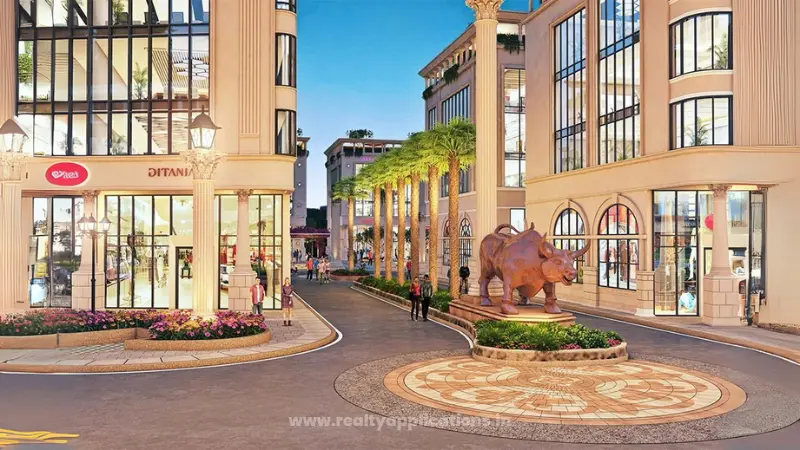



If you've been exploring properties in Gurugram's emerging corridors, you might have come across Wal Developments. Maybe a broker mentioned their projects. Maybe you saw their advertising. Or maybe you're comparing them with other developers in similar price ranges and locations.
But here's what matters before you write that cheque. Wal Developments is not a household name like DLF or M3M. They operate in a crowded middle tier where dozens of developers compete for attention. So who exactly is Wal Developments? What have they actually delivered? And should you trust them with what's likely one of your biggest financial decisions?
This guide gives you the straight story. No marketing spin. Just practical insights to help you decide if Wal Developments is the right choice for you.
Who Is Wal Developments?
Wal Developments, also known as Wal Group or Wal Builders, is a mid-tier real estate developer operating primarily in the NCR region, with focus on Gurugram and nearby areas.
The company has been in the real estate business for over a decade, positioning itself in the affordable to mid-segment residential and commercial space. Their target audience includes first-time homebuyers, upgraders with moderate budgets, and small to mid-size investors.
Unlike legacy developers with 30-40 years of track record, Wal Developments is still building its brand and reputation. This means you need to evaluate them based on actual project delivery rather than brand heritage.
Major Projects by Wal Developments
Wal Street
One of their commercial projects positioned in emerging business corridors. The project typically includes retail spaces and small office configurations targeting small businesses and individual investors.
If you're considering investment in Wal Street or similar commercial projects, verify the following: Current occupancy levels in operational phases, actual rental yields being achieved by existing investors, tenant mix and quality, location footfall and commercial viability, and proximity to residential density that drives commercial demand.
Wal City
A residential project in one of Gurugram's developing sectors. The project likely includes 2BHK and 3BHK configurations aimed at nuclear families and first-time buyers.
Before considering Wal City or similar residential projects, verify RERA registration details, actual construction progress versus promised timelines, quality of construction in any delivered towers or phases, and buyer feedback from existing residents if any phases are occupied.
Other Projects
Wal Developments has launched multiple projects across different locations in NCR. The key is to verify each project individually rather than making assumptions based on company name.
Get specific information on project locations, RERA registration numbers, promised versus actual possession dates, current construction status, and buyer experiences in delivered projects.
Wal Developments' Positioning
Based on their project portfolio and pricing, Wal Developments operates in the middle market segment:
Target Buyers: Working professionals, small business owners, first-time homebuyers, upgraders from smaller homes, small investors looking for commercial rental income.
Pricing Strategy: Competitive pricing below premium developers but above purely budget builders. Typically 15-25% lower than established brands in similar locations.
Location Focus: Emerging sectors in Gurugram where land costs are moderate and infrastructure is developing. Sectors along Dwarka Expressway, Sohna Road, and other growth corridors.
Product Mix: Both residential and commercial, with focus on smaller configurations and affordable price points.
Wal Developments' Strengths
Competitive Pricing
Wal Developments' main advantage is pricing. They offer lower per-square-foot rates compared to established brands in similar locations.
For buyers working within tight budgets, this pricing differential can make property ownership possible versus being priced out by premium developers.
Focus on Emerging Corridors
Wal has targeted emerging areas where infrastructure is improving. If these areas develop as planned, early buyers can see good appreciation.
The risk, of course, is that infrastructure development doesn't match expectations. But the location strategy itself is sound.
Mix of Residential and Commercial
Having both residential and commercial projects shows some diversification and understanding of different real estate segments.
This also gives buyers options to choose based on their specific needs - personal home or investment property.
Wal Developments' Challenges
Limited Brand Recognition
Wal Developments doesn't have strong brand visibility outside of specific broker circles and local buyers. This impacts resale significantly.
When you try to sell a Wal property, many potential buyers won't recognize the name or will be skeptical about quality and execution.
Delivery Timeline Concerns
Like many mid-tier developers, Wal has faced challenges with possession timelines. Projects have experienced delays ranging from 12 to 30 months beyond promised dates.
For buyers depending on specific move-in dates or rental income timelines, these delays create financial stress and disrupt plans.
Construction Quality Questions
There have been reports of quality concerns in some Wal projects. Issues with finishing standards, material quality, and adherence to promised specifications.
This doesn't mean all Wal projects have quality issues, but it indicates inconsistent quality control across their portfolio.
Post-Possession Service
Several buyers have reported challenges getting timely support from Wal Developments after taking possession. Issues with defect rectification, maintenance coordination, and developer responsiveness.
For affordable housing buyers who can't afford to fund major repairs themselves, poor post-possession support is a serious problem.
Limited Financial Transparency
Mid-tier developers often don't provide the same level of financial transparency as publicly listed companies. This makes it harder to assess financial health and project-specific funding adequacy.
Should You Buy from Wal Developments?
Here's the practical framework for deciding.
Consider Buying If:
You've visited at least 2-3 delivered Wal projects and verified construction quality. You've spoken to multiple existing residents and gotten generally positive feedback. You've thoroughly verified RERA registration, land ownership, and legal clearances. You're getting 20-30% price advantage compared to more established developers in the same location. You can absorb 18-24 month delays beyond promised possession without financial hardship. You're buying for long-term personal use, not short-term investment or resale. Your budget genuinely doesn't allow you to afford more established developers. You understand the risks involved and have adequate financial buffers.
Definitely Don't Buy If:
You cannot verify delivered projects with satisfied residents. You need possession by specific dates for personal use or rental income. You're risk-averse and prioritize predictability over pricing advantage. You're buying purely for investment and resale within 5-7 years. The location is too peripheral or lacks basic infrastructure and connectivity. You haven't independently verified RERA details and legal status. You're stretching your budget hoping appreciation will cover EMI challenges. You can afford slightly better developers by adjusting location or configuration.
How Does Wal Compare to Other Mid-Tier Developers?
Wal Developments operates in a crowded mid-tier space with dozens of similar developers. Here's how they compare:
Wal vs Experion
Experion has slightly better brand recognition and has been around longer. Both have mixed delivery track records. Compare specific projects based on location, construction progress, and buyer feedback rather than brand preference.
Wal vs Migsun
Both target similar buyer segments with comparable pricing. Neither has the reliability of established brands. Your decision should be based on specific project evaluation, not overall company comparison.
Wal vs Paras Buildtech
Paras has better visibility and more projects across Gurugram. Paras also has slightly better track record on commercial projects. If choosing between the two, Paras might be marginally safer.
Wal vs Established Affordable Brands (Signature Global, Mahindra Lifespaces)
If budget allows, established affordable housing specialists offer significantly better reliability, quality, and delivery track records. The 10-15% premium is worth it for reduced execution risk.
What Buyers Must Verify Before Booking
RERA Compliance Check
Log into RERA Haryana portal. Search for the specific project. Verify registration number, approved layout, land ownership documents, and promised completion date.
Check RERA complaints section to see if other buyers have filed complaints. Read through complaint details to understand recurring issues.
If a project isn't RERA registered or has numerous unresolved complaints, walk away regardless of pricing.
Construction Progress Verification
Visit the site multiple times, preferably unannounced. Check if construction activity matches RERA timelines and sales presentations.
Look for active labor, quality of materials being used, professional site management, safety measures, and overall funding adequacy indicators.
If the site looks underfunded, has minimal activity, or shows poor material quality, these are red flags.
Delivered Project Assessment
This is critical. Visit at least 2-3 delivered Wal projects. Don't just look, actually talk to residents.
Ask about possession experience, timeline delays, construction quality, defects and rectification, post-possession support, and whether they would buy from Wal again.
Check common areas, apartment finishing, plumbing and electrical quality, and overall maintenance standards. This is what you're likely to get.
Legal Due Diligence
Hire an independent property lawyer. Get them to verify land ownership chain, all required approvals, any pending litigations or disputes, proper formation of SPV (if applicable), and clear title without encumbrances.
Don't rely on documents shown by the sales team. Get independent legal verification.
Financial Health Indicators
While you won't get audited financials, look for indirect indicators of financial health:
Is construction progressing at reasonable pace? Are contractors and workers being paid regularly? Is the sales office professional and functional? Are banks willing to provide construction finance? What's the pre-sales percentage?
Slow construction despite active marketing often indicates cash flow problems.
Location-Specific Considerations
Many Wal projects are in emerging locations. This creates specific risks and considerations:
Infrastructure Dependence
Your quality of life depends heavily on promised metro lines, expressways, and roads actually getting completed on schedule. Government infrastructure often faces delays.
Don't buy based on "upcoming metro" or "proposed expressway." Buy based on what exists today.
Social Infrastructure Gap
New areas take years to develop schools, hospitals, quality retail, and entertainment options. Can you live without these conveniences for 3-5 years?
Employment Distance
Calculate actual door-to-door commute time to your workplace. Long commutes become exhausting and expensive over time.
A 15 km distance can easily translate to 60-90 minutes in peak traffic. Factor this into your decision.
Resale Challenges
Peripheral locations have weaker resale demand. Most buyers prefer established areas with proven liveability.
If you need to sell before the area fully develops, you'll struggle to find buyers and may have to sell at a loss.
The Commercial Property Angle
If considering Wal's commercial projects, additional factors to evaluate:
Rental Yield Reality
Don't believe projected rental yields in sales presentations. Research actual rentals being achieved in delivered commercial projects from Wal.
Talk to existing investors. Check rental listing websites. Understand market reality.
Occupancy Risk
Commercial success depends on surrounding residential density, footfall, and business activity. In emerging locations, this takes years to build.
You might face 2-3 years of vacancy or very low rents before the location matures enough to support commercial activity.
Tenant Quality
Small commercial spaces often attract smaller businesses with higher turnover and payment issues.
Understand the likely tenant profile and whether you can handle vacancy periods and tenant management challenges.
Exit Strategy
Commercial properties from mid-tier developers in emerging locations are hard to sell. The buyer pool is small and cautious.
Plan for very long holding periods. Don't buy commercial from Wal if you need liquidity within 5-7 years.
Financing Considerations
Banks' willingness to finance a project tells you a lot about risk assessment:
Check which banks approve loans for the specific Wal project. Verify loan-to-value ratios offered. Compare interest rates with other projects. Ask about any special conditions or restrictions.
If major banks are reluctant or offering low LTV, that's a signal about how the banking industry views the project's risk profile.
Also understand construction-linked payment plans and subvention schemes. Who bears the interest during construction? What happens if possession delays?
The Affordable Housing Reality
Wal Developments serves the affordable to mid-segment, which has legitimate buyers with genuine needs. Not everyone can afford DLF or Godrej.
But understand the trade-offs clearly:
Quality Trade-offs: Lower quality fixtures, materials, and finishing compared to premium developers.
Location Trade-offs: Emerging areas with longer commutes and developing infrastructure.
Execution Trade-offs: Higher probability of delays, quality issues, and post-possession problems.
Resale Trade-offs: Lower brand value, longer selling periods, limited appreciation potential.
These aren't secret conspiracies. This is how developers achieve lower pricing. They're not running charities. They're cutting costs somewhere.
Make sure you understand where and can live with those compromises.
Investment vs End-Use Decision
For Personal Use
Wal might work if you genuinely cannot afford better alternatives, you're buying for long-term personal use (10+ years), you can absorb delays without severe stress, and you've verified quality in delivered projects and are comfortable with that standard.
Don't buy if you need possession by specific dates, you're compromising heavily on location hoping to adjust later, or you can afford slightly better by adjusting expectations.
For Investment
Wal is a questionable investment choice. Limited brand value, weak resale liquidity, modest appreciation potential, and rental yield challenges make the risk-reward equation unfavorable.
If investing, paying 15-20% premium for established developers significantly improves your returns and exit options.
How Realty Applications Can Help
We don't sell Wal Developments projects. We're not their channel partners. We help you figure out if Wal or any other developer makes sense for your specific situation and budget.
Here's what we do:
Independent comparison of Wal with other mid-tier and established developers. Comprehensive RERA and legal verification through independent lawyers. Multiple site visits to assess construction quality and progress. Visits to delivered projects to evaluate actual quality and talk to residents. Financial planning to explore if you can afford better alternatives. Market research on location viability and appreciation potential. Negotiation support if you decide to proceed with Wal. Post-booking monitoring and support till possession and beyond.
We've worked with buyers who bought from mid-tier developers like Wal because it was their realistic option, and we helped minimize risks through thorough verification. We've also worked with buyers who discovered they could afford better alternatives. Both outcomes were right because they were informed decisions aligned with the buyer's situation.
FAQs About Wal Developments
Is Wal Developments a reliable builder?
Wal has delivered some projects but has mixed track record on timelines and quality. They're in the middle tier - better than completely unknown developers but not as reliable as established brands. Verify each project individually.
What is the typical price range for Wal projects?
Prices vary by location but generally range between Rs. 4,000 to Rs. 7,500 per sq. ft. in emerging corridors. Always compare with nearby projects from other developers to understand the value proposition.
How are possession timelines for Wal projects?
Based on available feedback, delays of 12-24 months beyond promised dates are common. Always add 18-24 months buffer to the promised timeline when planning your finances and move-in.
What is the construction quality like?
Mixed reports. Some projects have acceptable quality, others have faced complaints about materials and finishing. Visit delivered projects yourself to assess quality standards before committing.
Can I get a home loan for Wal projects?
Most major banks offer loans, but verify the specific project's approval status and loan-to-value ratio. Some projects may face challenges or lower LTV from certain banks.
What is the resale value of Wal properties?
Moderate at best. Expect longer selling periods and pricing pressure compared to established brands. Don't buy from Wal expecting strong appreciation or easy resale within 5-7 years.
Does Wal handle post-possession issues well?
Mixed feedback. Some buyers report reasonable support, others complain about poor responsiveness. Don't expect the same level of service as you'd get from premium developers.
Final Thoughts
Wal Developments represents the middle tier of Gurugram's real estate market. Not the worst choice, but far from the safest. They offer pricing advantages but come with execution risks around delays, quality, and resale.
Before committing to Wal, exhaust your other options. Can you afford slightly better developers by adjusting location or configuration? Can you wait another year and buy from a more established brand? Can you consider resale inventory from better developers instead of new launches from Wal?
If after exploring all alternatives, Wal still makes sense for your budget and situation, proceed with extreme caution. Do exhaustive verification. Visit delivered projects. Talk to multiple residents. Get independent legal opinions. Maintain large financial buffers for delays.
Don't buy from Wal just because the pricing looks attractive. Cheap can become very expensive if you face years of delays, quality issues, and resale challenges.
Need Help Evaluating Wal Developments vs Other Options?
We'll conduct independent verification, assess actual risks, compare alternatives in your budget, and help you make an informed decision that you won't regret. No sales pressure. Just honest advisory focused entirely on your interests.
Talk to our advisory team: https://www.realtyapplications.in/contact-us
WhatsApp us your requirement: https://api.whatsapp.com/send?phone=919999397575
Disclaimer: Prices, project details, and timelines mentioned are indicative and subject to change. Always verify directly with the developer, RERA, and independent legal advisors before making any purchase decision.
Image Suggestions:
Hero Image: Mid-segment residential project facade or entrance Alt Text: Wal Developments residential project Gurugram
Section Image: Under-construction site showing building progress Alt Text: Wal Developments construction progress Gurugram
Verification Image: RERA portal or legal document verification concept Alt Text: RERA verification property due diligence Gurugram
Advisory Image: Property site visit or buyer consultation scene Alt Text: Independent property advisory services Gurugram homebuyers